Написал mig29 на interesting.d3.ru / комментировать
Взято отсюда Взято отсюда
http://s3.amazonaws.com/mishenev/media/mishenev-12413-998567.jpg
Хронология одной пандемии
1. 2015 год
Статья в журнале Nature, где указывается, что в США проводились практические исследования по искусственной модификации коронавируса китайской летучей мыши, благодаря которой коронавирус сможет передаваться человеку без необходимости инкубации в промежуточном животном. В статье указываются опасения о том, что такие эксперименты могут быть слишком опасны.
2. 5 августа 2019
Статья в NY Times о закрытии военной биологической лаборатории в США из–за «угрозы безопасности»
3. 31 августа 2019
Статья в NY Times о развитии странной эпидемии неизвестной болезни легких в США (на момент выхода статьи – 215 зараженных).
4. 11 Сентября 2019 (символичная дата)
«Неизвестное заболевание легких» насчитывает уже 500 случаев в более чем 30 штатах в США. Сообщается о смертельных исходах от заболевания в пяти штатах, возраст умерших – от 30 лет и старше. Дональд Трамп, с подачи CDC (Centers for Disease Control and Prevention) созывает совещание на тему ограничения продажи вейпов. Некоторые штаты вводят или рассматривают возможность введения запрета на продажу электронных сигарет – других причин «неизвестного заболевания» не называется, хотя NY Times отмечает, что болели даже те, кто вообще ничего не курил.
5. Октябрь 2019
В ставшем впоследствии знаменитым г. Ухань в Китае проходят World Military Games (18–27 октября, 2019). В составе американской делегации – 200 участников.
6. 17 ноября 2019
Китай, г. Ухань – первый официально зарегистрированный случай заражения вирусом, впоследствии названного Covid–19. Датировка по данным South China Morning Post.
7. С ноября 2019 – по февраль 2020
(вирус распространяется по планете)
8. Март 2020 г.
ВОЗ называет происходящее пандемией. Количество заболевших перевалило за 100 тыс человек.
Закрываются границы, чемпионаты мира, НБА, НХЛ, отменяется Формула–1.
9. 11 марта 2020 г.
На слушаниях в Конгрессе США директор CDC, д–р Рэдфилд, признает наличие смертельных случаев от Covid–19 в США, которые ранее были некорректно (из–за слабой диагностической базы) определены как смерть от гриппа.
10. 12 марта 2020 г.
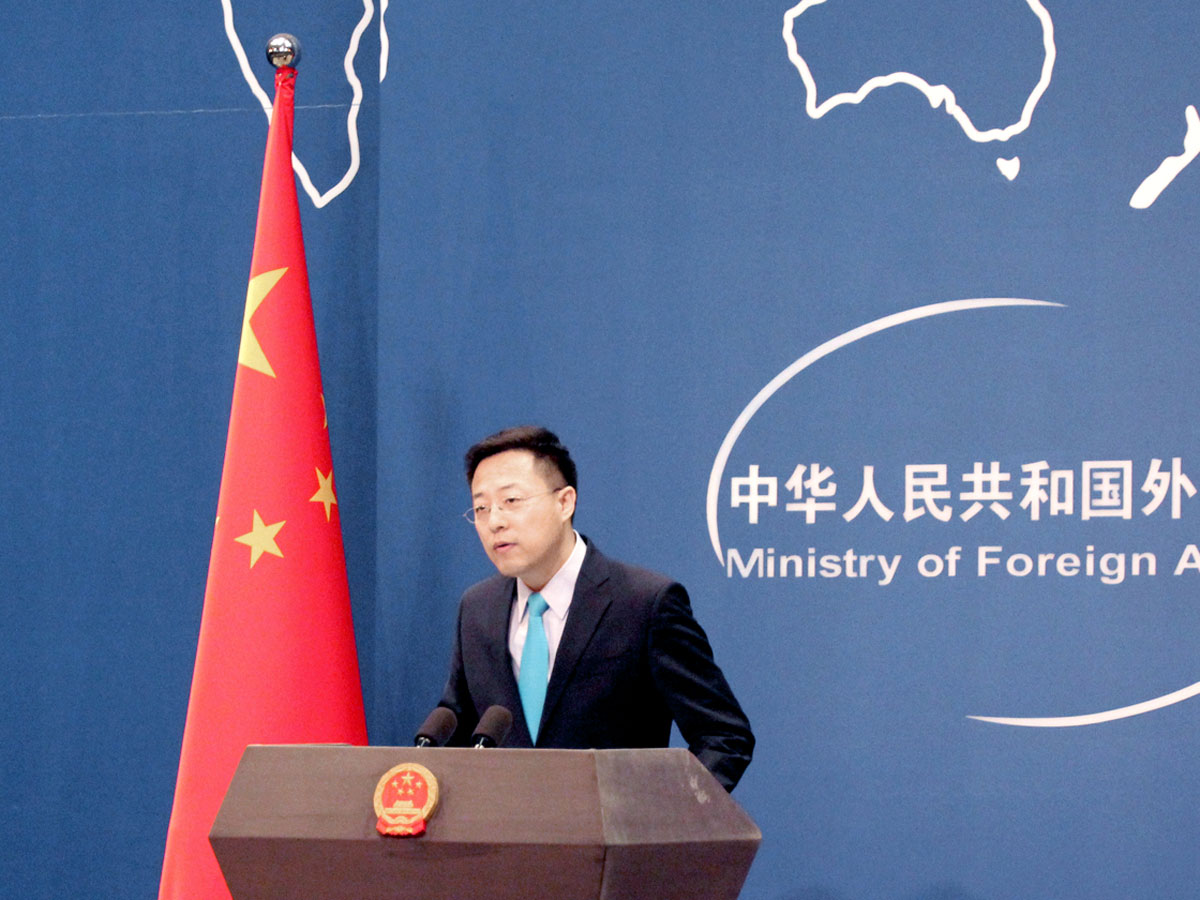
Официальный представитель МИД Китая (как у нас – М.Захарова) через Твиттер начинает задаваться вопросами в адрес США («так может это вы к нам этот вирус и завезли?»)
Цитата:
«CDC был пойман на месте. Когда нулевой пациент появился в США? Сколько людей заражено? Как называются больницы? Возможно, американские военные принесли эпидемию в Ухань. Информация должна быть обнародована! США должны объясниться!»
Написал kybik на fognews.d3.ru / комментировать
Взято отсюда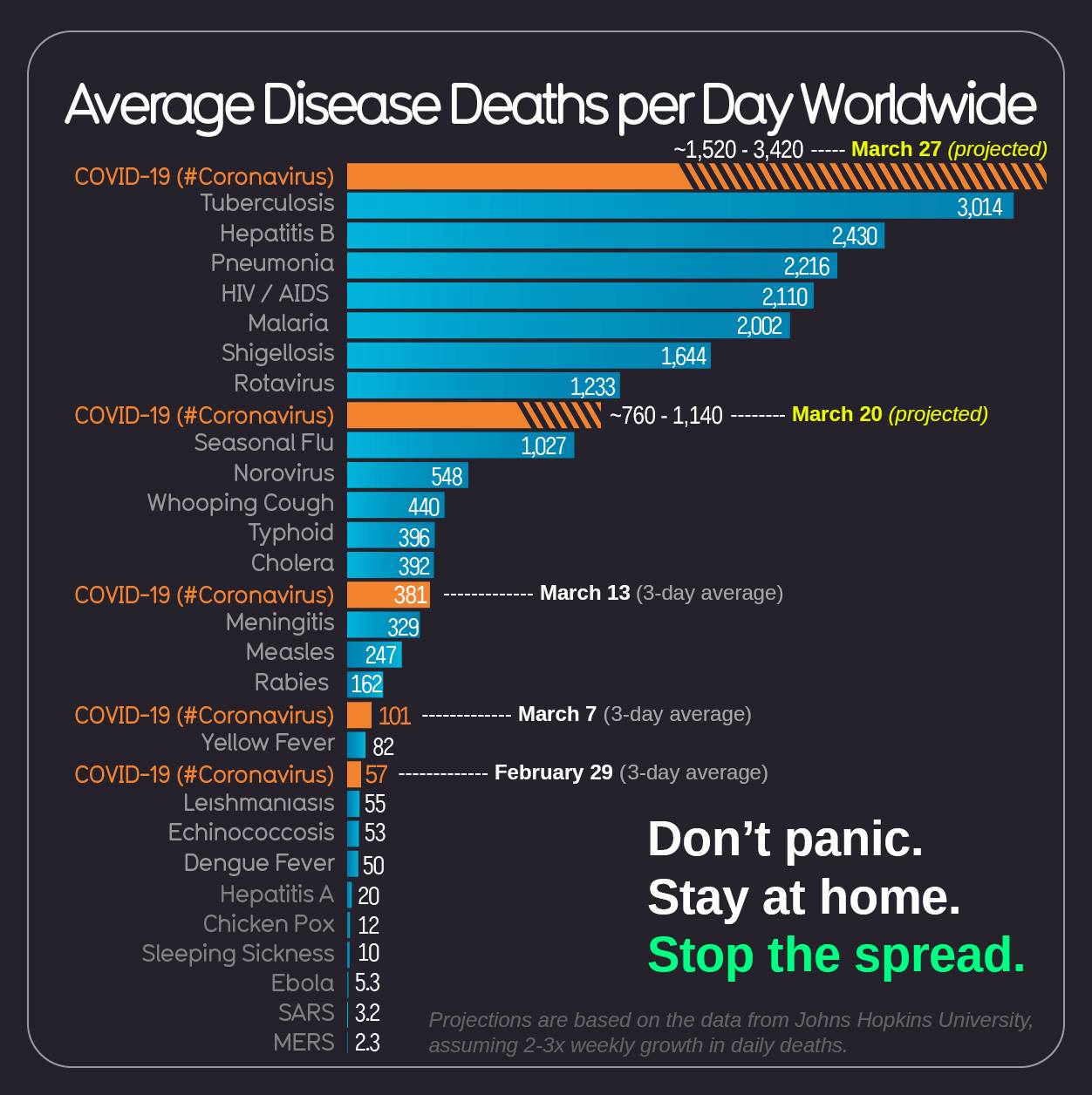
Текущим темпом через 10 дней коронавирус может выйти (может и нет) на уровень смертности от туберкулёза (3000 в день) или гепатита B (2400). Текущая смертность 700 человек в день.
Написал +++ dharmalove на coronavirus.d3.ru / комментировать
Взято отсюда
Зелёный — всё население Земли (7,7⋅109)
Красный — зафиксировано случаев заболеваний (1,8⋅105)
Желтый — предположительное количество незафиксированных случаев заболеваний (2⋅106)
Какие можно сделать выводы из этих данных.
1. Всё еще впереди. Пищевая база для вируса огромна по сравнению с текущим моментом.
2. Вот эта красная точка в правом верхнем углу уже привела к перенапряжению медицинских ресурсов. При этом темпы распространения только растут, экспонента — она и есть экспонента. Следовательно, рассчитывать на то, что вам достанется аппарат ИВЛ, когда придет ваша очередь, не нужно. Если повезёт — ну, отлично. Нет — значит нет, чудес не бывает.
3. Средний уровень летальности может повыситься. Как раз из–за того, что медицинских ресурсов перестанет хватать.
4. Тот факт, что для детей вирус практически безопасен, лично меня практически с ним примиряет.
Страшно подумать, если бы эта гадость угрожала моим детям. Но поскольку она им не угрожает (почти), то вроде как и фиг с ней. А вот о бабушках с дедушками переживаешь, и очень.
5. Рассчитывать на то, что границы откроют и снимут режимы ЧС в ближайшем будущем, я бы не стал. Притормозить пандемию могут, но ситуация останется чреватой новым всплеском до тех пор, пока не переболеет бо́льшая часть населения, и выработается иммунитет. Карантин лишь растягивает этот момент, но снимать его нельзя ровно по той же причине.
Резюмируя:
Все зависит от того, удастся ли сделать доступную вакцину.
Если нет, то вирус станет эндемиком в нашей популяции.
Поскольку болезнь в легкой форме (как у молодых) не приводит к образованию долговременного Т–клеточного иммунитета (только краткосрочный B–клеточный), то болеть периодически будут все, и чем старше тем тяжелее. Что приведет, в первую очередь, к заметному уменьшению среднего возраста населения.
Произойдёт ли снижение летальности из–за мутаций вируса? Лично я не вижу причин для этого. При таком длительном инкубационном периоде давление естественного отбора в этом направлении будет совсем малым.
Может измениться и образ жизни. Тенденция ухода в онлайн получит мощный пинок. Как это будет выглядеть практически, пока трудно себе представить.
Вообще интересно поразмыслить над тем, как будет выглядеть сосуществование со злобным коронавирусом на постоянной основе.
Написал Baryonyx на coronavirus.d3.ru / комментировать
Взято отсюда
"А здорово нам, несостоявшимся историкам, прикоснуться к эпохе средневековья: Америка опять закрыта для Европы, в Европе чума, на Руси распри между Московским и Киевским княжеством, растёт мощь опричнины, а бояре опять уговаривают царя вернуться на царство."
не знаю кто автор.
Написал Arkomen на telega.d3.ru / комментировать
Взято отсюда Взято отсюда

The coronavirus has disrupted our lives in ways both large and small. Multiple organizations have cancelled conferences and events, and various municipalities have instructed residents to practice social distancing and to stay home whenever possible. If there was any kind of upside it's that we're all suddenly a lot more conscious of personal hygiene. Health authorities have advised the public to practice good sanitation practices, such as washing hands with soap, refraining from touching our face and coughing into our elbows. Another way to maintain good hygiene? Keeping our gadgets clean.
"Phones, laptops and other electronics travel with us everywhere, from bathrooms to buses to kitchens and restaurants," said Dr. Kelly A. Reynolds, an Associate Professor in the College of Public Health at the University of Arizona. She authored a study about hygienic preventions to prevent viral spread. "Like our hands, they pick up germs along the way. Frequently touched surfaces are vulnerable to increased contamination that can spread to hands, and then to entry points on the body where infection occurs, such as the eyes, nose and mouth."
According to the CDC, transmission of the COVID-19 virus from surfaces has not yet been documented -- it's much more common via respiratory droplets or direct human contact. But, the CDC suggests cleaning any surfaces down all the same, as the virus can last from hours to several days on some materials. A recent study showed that the COVID-19 virus in particular can last up to 24 hours on cardboard and two to three days on plastic and stainless steel. The CDC states that "cleaning of visibly dirty surfaces followed by disinfection is a best practice measure for prevention of COVID-19 and other viral respiratory illnesses in households and community settings."
"If you touch something contaminated, such as your phone, after hand washing, you need to wash it again to clear the virus away," said Dr. Jonathan Golob, an Assistant Professor of Infectious Diseases and Internal Medicine at the University of Michigan School of Medicine.
The consensus is clear: You need to be cleaning the gadgets that you use often. That includes your phone, and for some of you, your laptop or keyboard as well.
How best to clean your phone will differ from manufacturer to manufacturer, but there are a few general guidelines. Obviously, the first thing to do is to remove any protective case as well as unplug any cables. For general-purpose cleaning, nearly all manufacturers suggest gently wiping down the phone with a soft, lint-free cloth. Both Apple and Samsung suggest using a microfiber material or a camera lens cleaning cloth, for example. If your phone is a little grimier than normal, then you can use a dampened cloth to wipe the smudge away, being careful to avoid excess moisture getting into any open ports.
But simply wiping your phone down won't get rid of germs. To do so, you can use soap. "Coronavirus has a fat coating it needs to infect us," said Golob. "Soap and water or alcohol gels destroy this fatty layer, and thus make the virus unable to infect us." But, be sure to check the manufacturer's website to make sure soap is allowed. Apple, for example, suggests using a cloth dampened with warm, soapy water, but only with the iPhone 11 line of handsets (you can then "rinse" the soap off with another damp cloth, then dry it off with another one). Google recommends using ordinary household soap only on the back and sides of the Pixel. Samsung, on the other hand, doesn't recommend soap at all.
For an even easier way to sanitize your phone, you could use disinfecting wipes. We were once advised not to use alcohol wipes on our phones, as they could potentially remove the oleophobic coating that prevents fingerprint smudges. But recently, Apple released a statement that it's OK to use 70 percent isopropyl alcohol wipes or Clorox Disinfecting Wipes, as long as they don't have any bleach. Google and Samsung have similar recommendations as well. That said, all three companies strongly advise against pouring the alcohol solution directly onto the phone; use the cloths and wipes instead.
Cleaning your laptop is very similar to cleaning your phone; start with a dry lint-free cloth and move on to a slightly dampened cloth for wiping down the screen. For a deeper, sanitizing clean, manufacturers like Apple and Lenovo have recommended using the aforementioned disinfectant wipes for both the display and the keyboard. If it's an external keyboard, you can also use compressed air to clear away any dust particles, though that won't kill any germs.
An alternate option is to buy a UV sanitizer like PhoneSoap, which uses UV-C light to "clean" your phone in just ten minutes. "UV-C light is effective against a wide range of germs and provides an option for disinfecting your phone without the use of chemicals," said Reynolds. While that might be true, it's unclear if this has been tested with the COVID-19 virus. Additionally, these UV sanitizers tend to be very expensive, and don't seem to be any more effective than simply using the wipes.
As for how frequently you should clean your devices, well, that depends. "You may want to disinfect your phone after using it in the bathroom, or before using it at the dining room table," said Reynolds. "Developing a habit of daily disinfection will help to keep the germ count low."
Golob generally agrees. "A good rule of thumb is to clean the device and then your hands—particularly before eating or touching your face."
Even though some of these warnings were alluded to above, they bear repeating:
In general, be sure to check the manufacturer's website before cleaning your device so you don't ruin it.
Aside from keeping your phone and laptop clean according to the above instructions, there are a few extra steps you can take to ensure proper gadget hygiene. "Another way to keep your phone clean is to keep your hands clean before use and avoid sharing your electronics with others," said Reynolds. "Avoiding contact with your face, from either your hands or your device, is another approach to breaking the cycle of germ transmission."
What could prove harder to do, however, is to simply not touch it as much. Experts suggest not using it while eating, and not while on the toilet. "Treat your gadgets as another hand," Golob said. "They can get contaminated with coronavirus, spread it to you and others, and make you sick."
Взято отсюдаЕсли страны Запада не готовы принять Украину, то она может продать свои ресурсы Китаю в обмен на защиту от России. Такое мнение выразил экономист Игорь Селецкий в публикации под названием "Украина: на грани исчезновения" в интернет-издании "Зеркало недели".
Рассуждая о возможностях Украины вступить в Евросоюз, эксперт отмечает, что у Киева пока нет даже перспектив членства в альянсе. "Да, мы считаем, что мы - часть западной цивилизации, но если Запад нас продает, то у нас нет другого выбора. Китай хотя бы не несет за собой свой китайский мир. Его интересуют только ресурсы, а мир за пределами Поднебесной империи заканчивается. Мы можем дать ресурсы в обмен на защиту от РФ, если Запад не хочет этого делать", - пояснил Селецкий.
Экономист считает, что если Запад готов "торговать Украиной, то Украина готова торговать" им и менять вектор.
По его мнению, западные страны "потеряли старые идеологемы и не создали новые". Сейчас, по его словам, это "Запад Греты Тунберг", который "постоянно у всех просит прощения". "Запад, который решает несуществующие проблемы и не замечает очевидных. Если бы Запад создавали Греты, то его колонизировали бы индейцы, а не наоборот", - поясняет он.
Селецкий допустил, что, возможно, Киев интересен либеральному крылу Запада тем, что Украина "вакцина от Запада Греты Тунберг и его ползучей исламизации".
Эксперт указывает, что проблемы западных стран в том, что они "разучились защищаться", в то время как украинцы "готовы отстаивать свою страну с оружием в руках" и вернуть потерянные идеалы.
Ранее еще один экономист, президент Украинского кооперативного альянса Зиновий Свереда предложил продать США земли на восточной границе государства, чтобы защититься от российской "агрессии". Речь шла о приграничных территориях Сумской и Харьковской области. По его словам, "американские войска приходят туда, где есть американская частная собственность". Также он считает, что мера позволила бы решить вопрос о добыче сланцевого газа и других полезных ископаемых в стране.
Таким образом эксперт прокомментировал законопроект о создании свободного рынка земли на Украине.
В ноябре 2019 года Верховная рада приняла в первом чтении законопроект о продаже сельскохозяйственных земель иностранцам. 18 декабря аграрный комитет парламента подготовил поправки ко второму чтению.
Проект раскритиковали эксперты, он вызвал недовольство граждан, которые устраивают митинги. Украинцы считают, что закон об обороте земли приведет к тотальной скупке сельхозугодий иностранцами, уничтожению местных фермерских хозяйств, упадку села и приведет к экономической деградации и социальной напряженности.
Мораторий на продажу сельхозземель действует на Украине 14 лет. В феврале 2019 года предшественник нынешнего президента страны Владимира Зеленского Петр Порошенко продлил его до 1 января 2020 года.
Flights to northern regions of Norway, Sweden and Finland get canceled as winter tourism plunges and further travel restrictions are enforced.
Norwegian Air on Monday said it will cancel 85% of its flights and temporarily lay off 7,300 of its employees.
The move follows SAS that on Sunday announced a temporary lay off affecting 90% of its workforce. That is 10,000 employees, mostly in the Scandinavian countries.
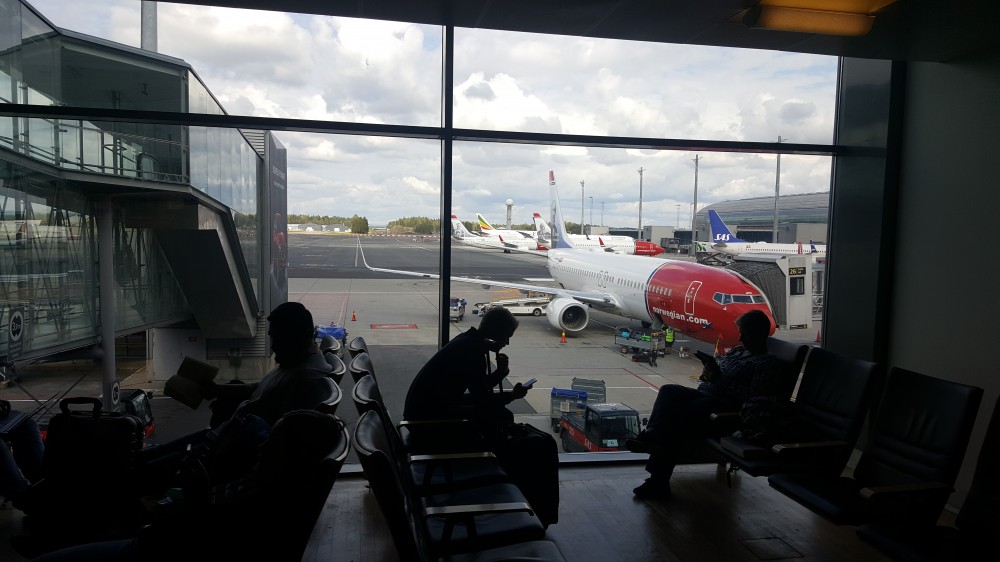
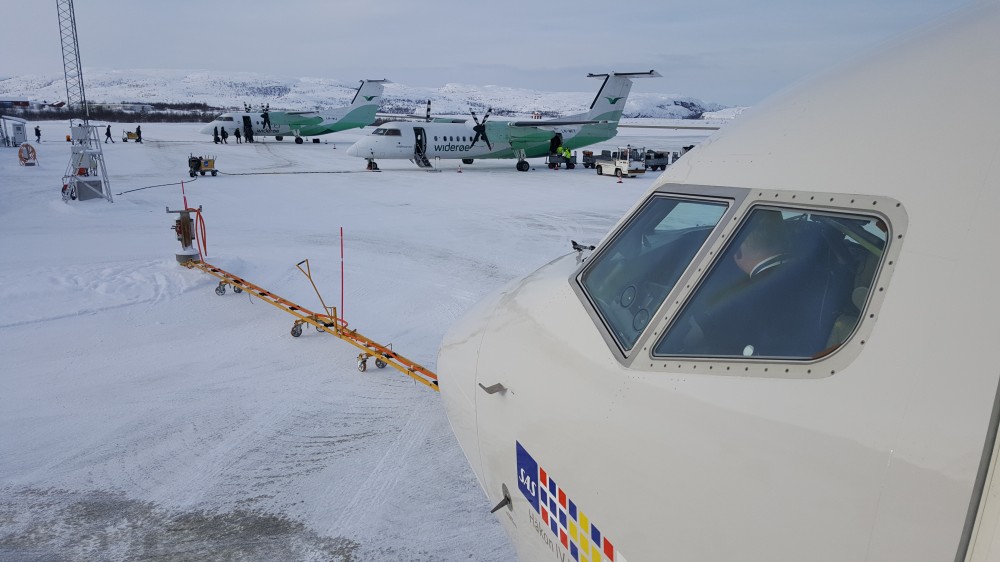
Widerøe, the regional airlines flying to Norway’s extensive network of short-haul airports, says it will cut every second flight and temporarily lay off 1,000 employees.
The crises in the air businesses now are considered more difficult than during the 2008 financial crisis, the 9/11 terror and the air travel disruption after the 2010 Eyjafjallajökull volcano eruption.
Norwegian Air says in a press release it has to temporarily lay off 90% of its workforce.
“What our industry is now facing is unprecedented and critical as we are approaching a scenario where most of our airplanes will be temporarily grounded. Several governments in Europe have already said that they will do everything they can to ensure that their airlines can continue to fly when society returns to normalcy. We appreciate that the authorities of Norway have communicated that they will implement all necessary measures to protect aviation in Norway, consequently securing crucial infrastructure and jobs,” said CEO Jacob Schram of Norwegian.
Norwegian will maintain a few routes to the northern parts of Scandinavia, including one daily flight from Oslo to Alta/Kirkenes, two daily flights to Tromsø, Bodø and Evenes, and three flights a week to Svalbard.
In Sweden, there will be two weekly departures from Stockholm to Luleå and Umeå, and four weekly flights to Kiruna.
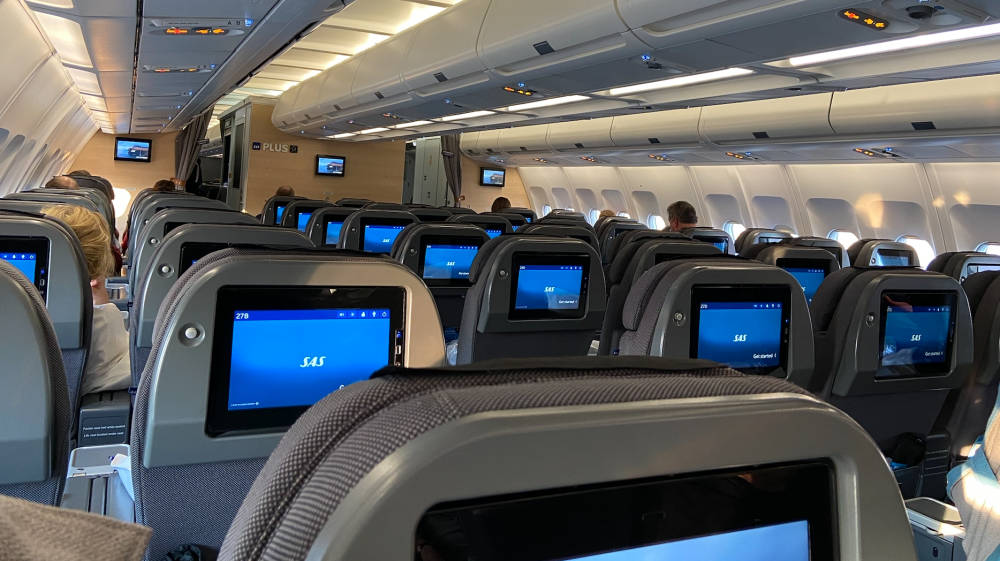
In Finland, Norwegian Air will operate one daily departure from Helsinki to both Rovaniemi and Oulu and six weekly flights to Kittilä.
SAS are posting daily updates on which flights are to be canceled, but planes are the nearest days flying from Oslo to northern airports like Bodø, Evenes, Bardufoss, Tromsø, Alta, and Kirkenes.
Widerøe has restrictions on international flights, but for Monday, all domestic flights within Norway are on flying, the company informs.
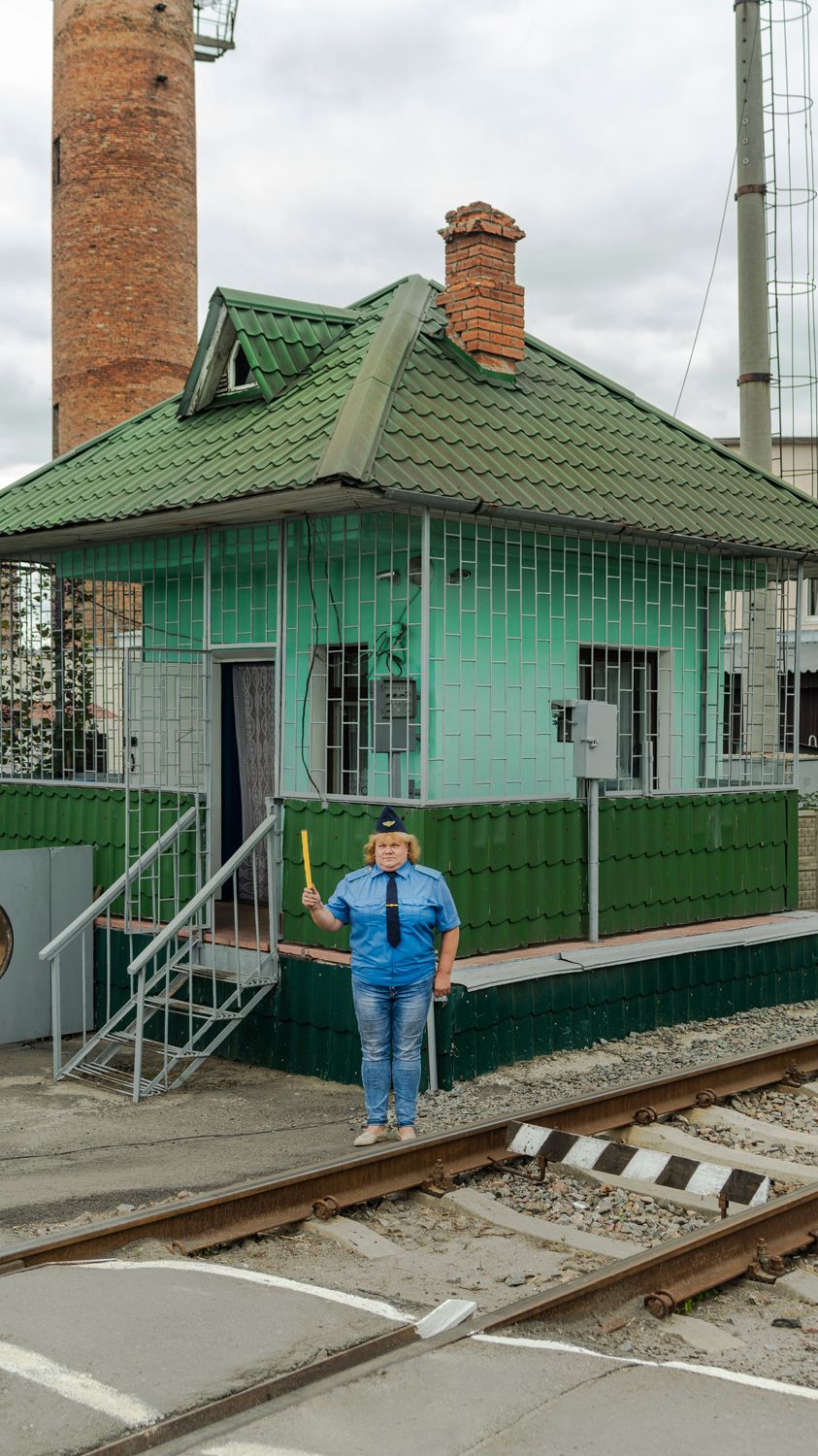
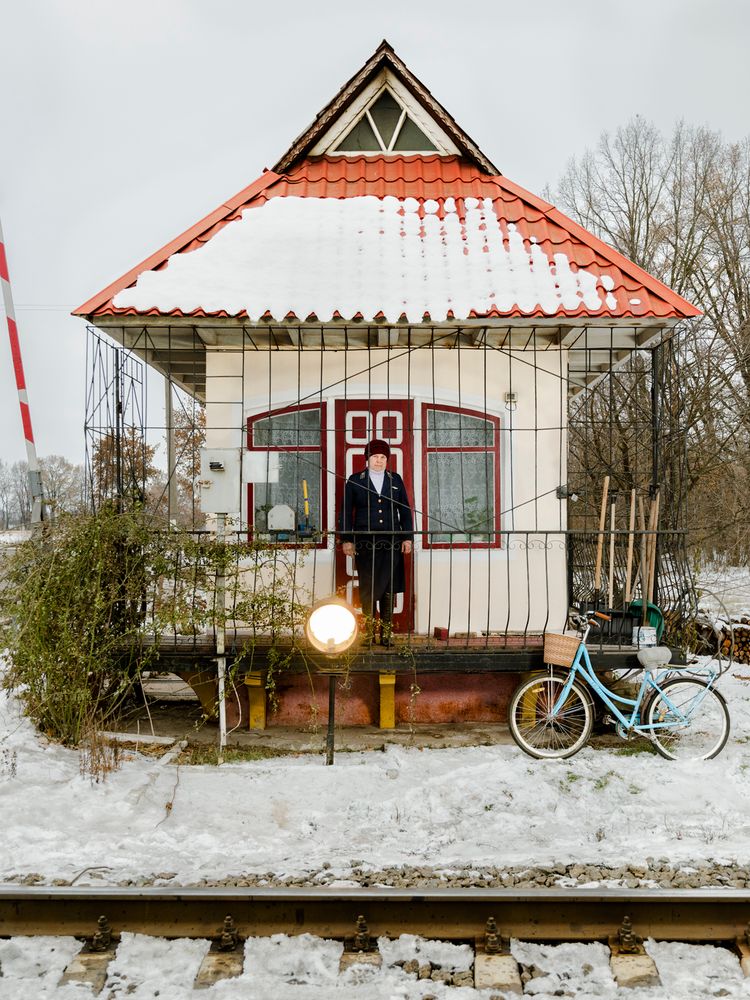
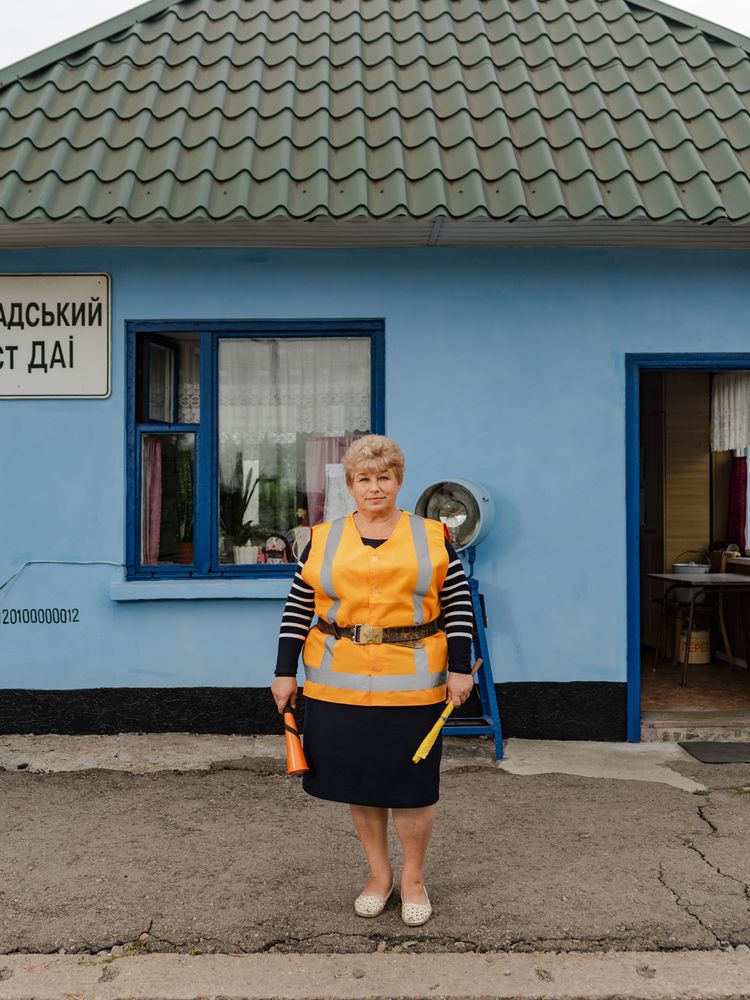
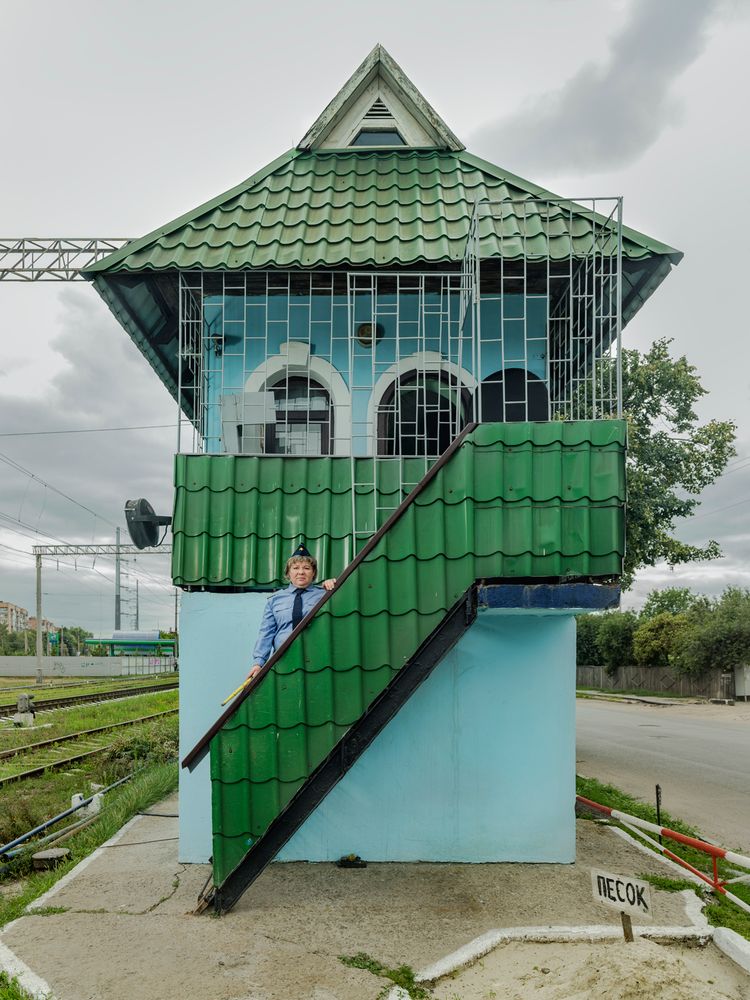
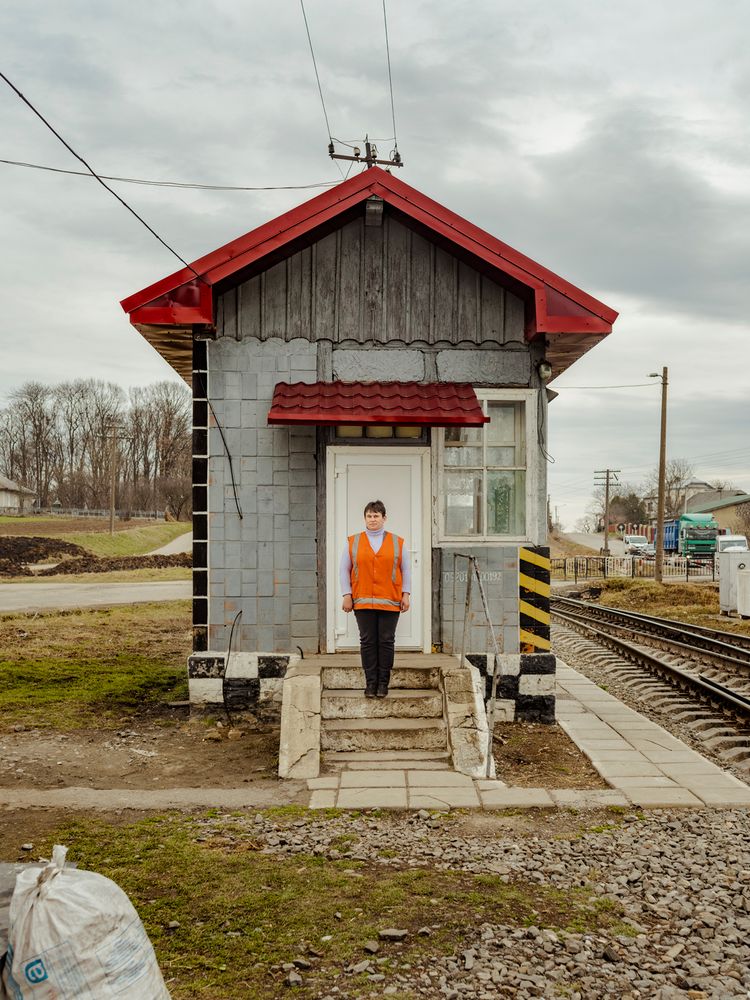
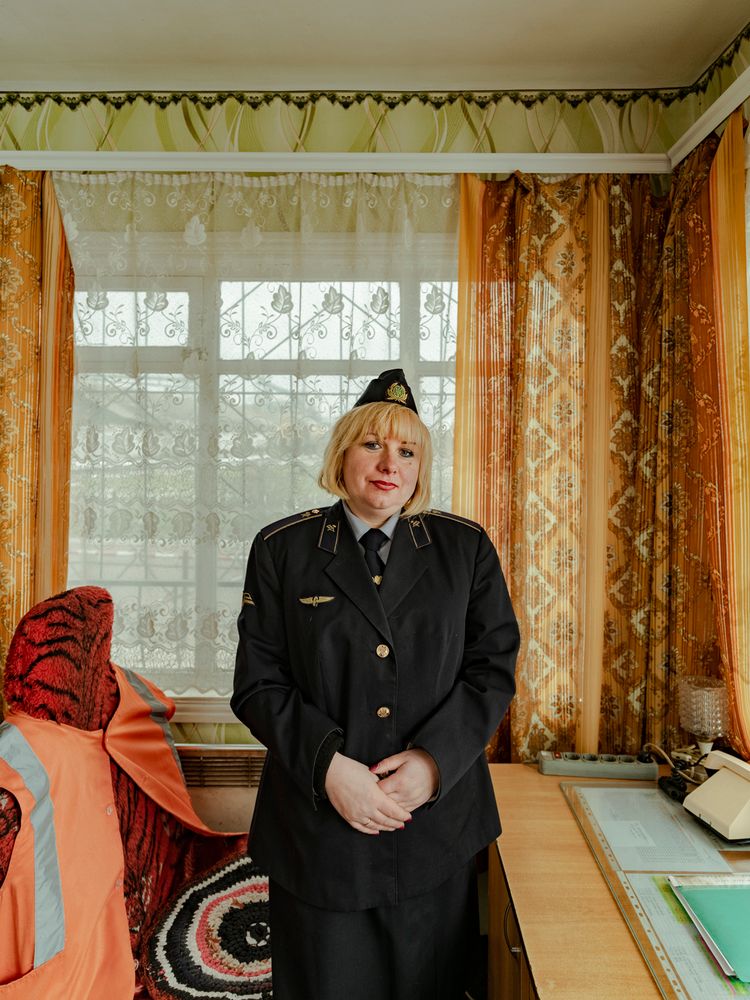
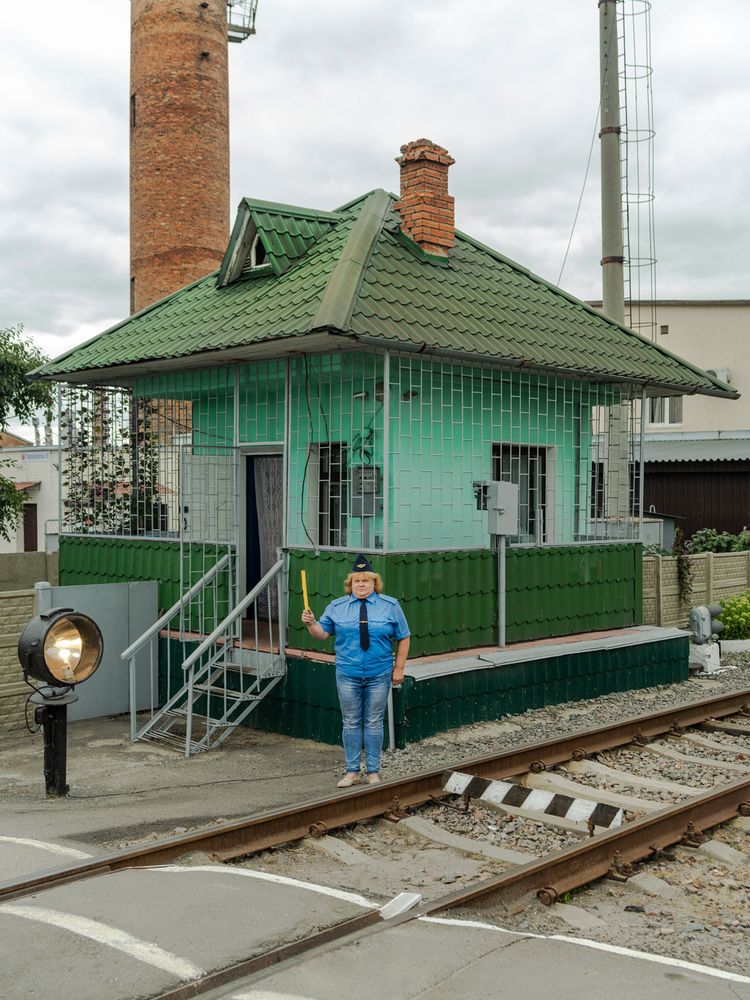
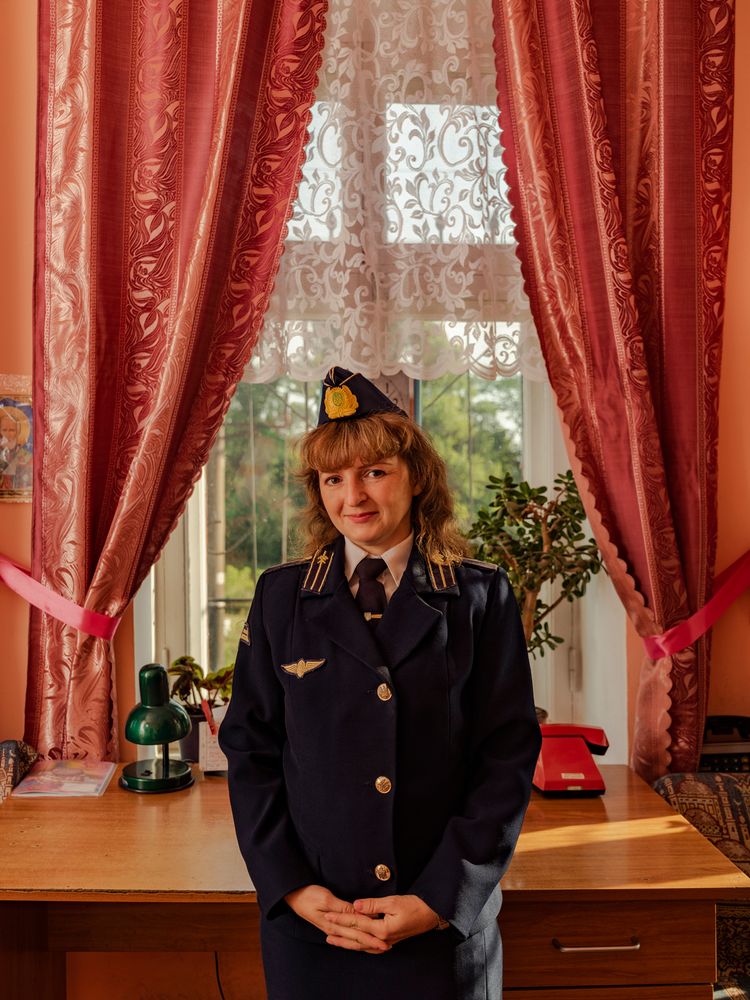
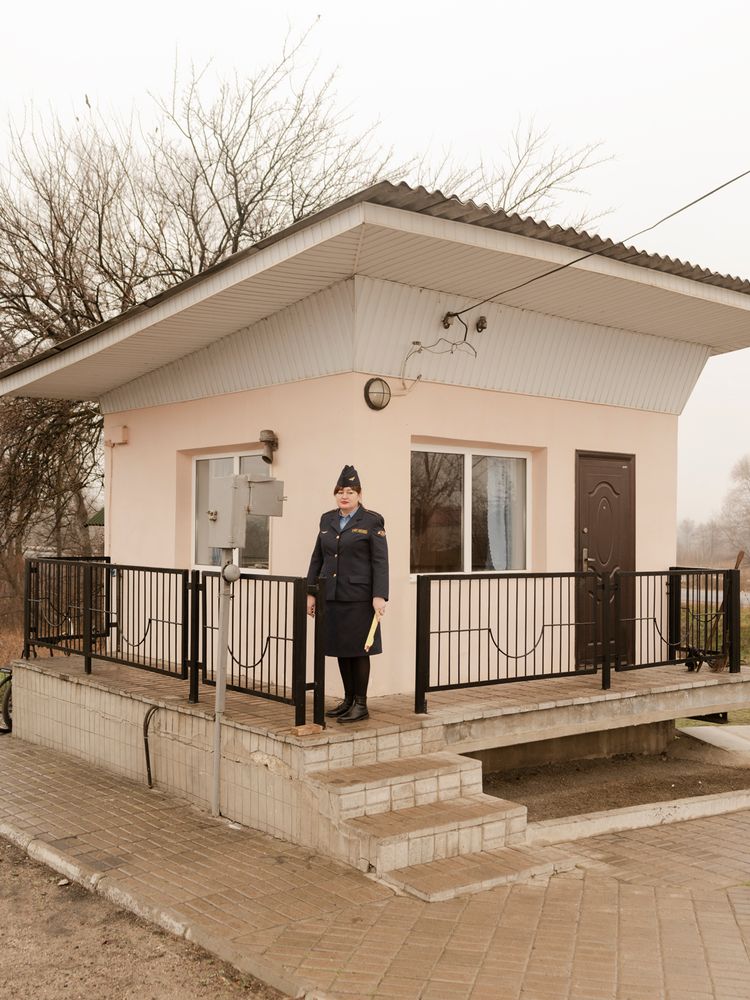
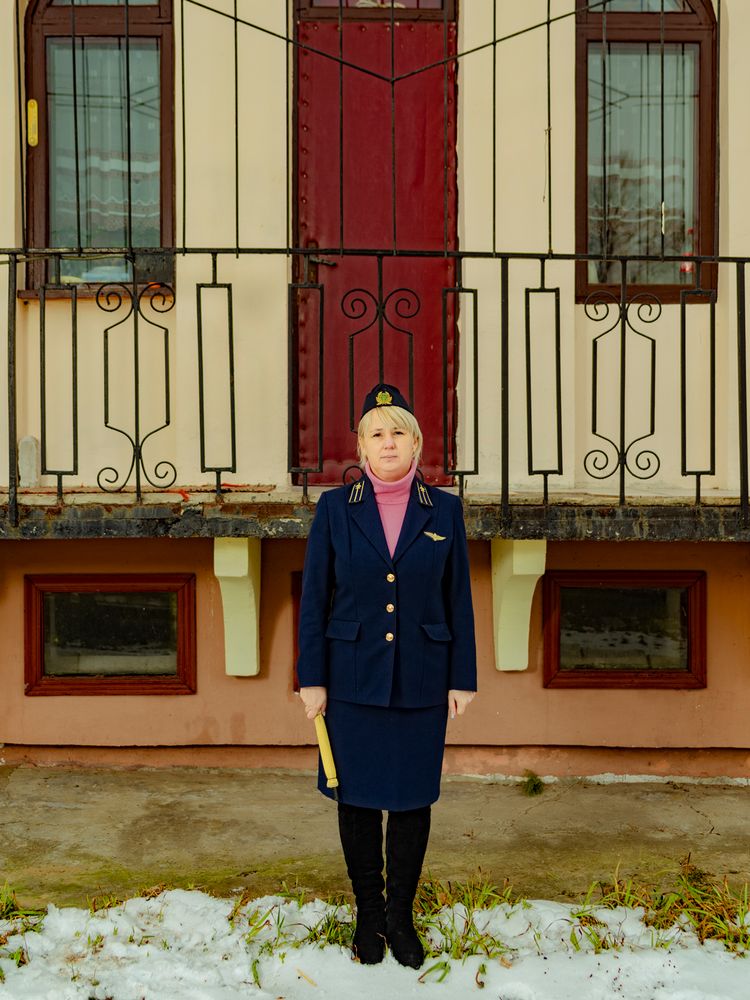
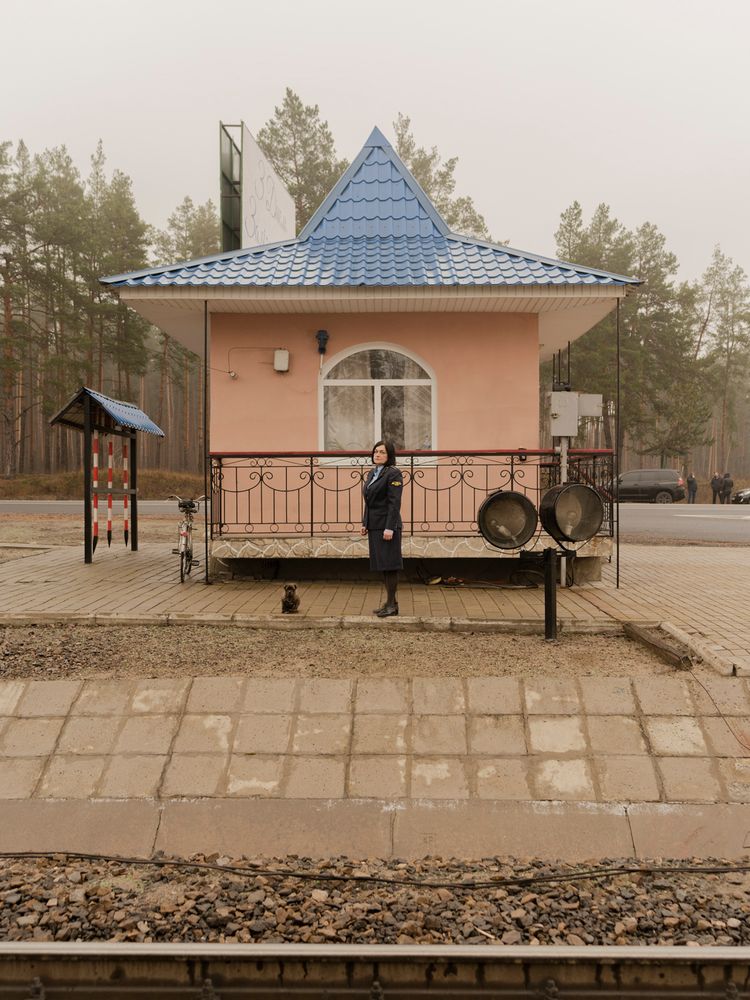
Ukrainian Railroad Ladies is a series of portraits of women who work as traffic controllers and safety officers at railroad crossings in Ukraine. The women spend their long shifts in the little houses built specifically for them along the tracks.
The series studies Ukrainian landscapes where the exteriors of the houses play a prominent role. Looking into the intimate details of the interiors of the tiny homes, the photographs invite the viewer to meet the Railroad Ladies themselves. Given the almost full automatization of railroad crossings in Ukraine and around the world, the project also raises the question of why this profession still exists in the 21st century, exploring its anthropological and social aspects and the role and importance of the railroad, in general, in the country.
Ukraine has been consumed by political turmoil: a war in the East and loss of its territory to an aggressive neighbor, nevermind the endless corruption and permanently troubled economy. In Ukraine, people pay little attention to the women they see from a train window, standing and most-often holding a folded yellow flag (a sign to the train engineer that all is well on the tracks ahead). And although the country and the world are consumed with much larger issues, these people with their folded yellow flags play a big, yet silent role in Ukrainian everyday life.
In a storm, it’s often hard to see the lighthouse. Ukrainian Railroad Ladies are that lighthouse. They are a symbol of certain things in this country that don’t change, standing firm in the present as a defiant nod to the past. They endure, unfazed by the passing of trains and time. And as the trains transform, from rickety, loud beat-up cars to smooth aerodynamic bullets, the Railroad Ladies remain standing. They are the connection between the past and the future of Ukraine: the past that is being glorified by the people who remember the Soviet times of Ukraine as the glory days, and despised by the ones who want to disconnect themselves from it and move on to a new, more promising future.
Like many controversial symbols, they will be missed and will inevitably become a subject of nostalgia in the future. For now, they are standing strong, resilient to, or not noticing changes, awaiting the next train.
—Sasha Maslov
Editor’s note: This project was discovered through the LensCulture Exposure Awards 2020, selected as a special Juror’s Pick by Mee-Lai Stone, photo editor at The Guardian. See all of the other winners and finalists here.
Enjoy more great photography: