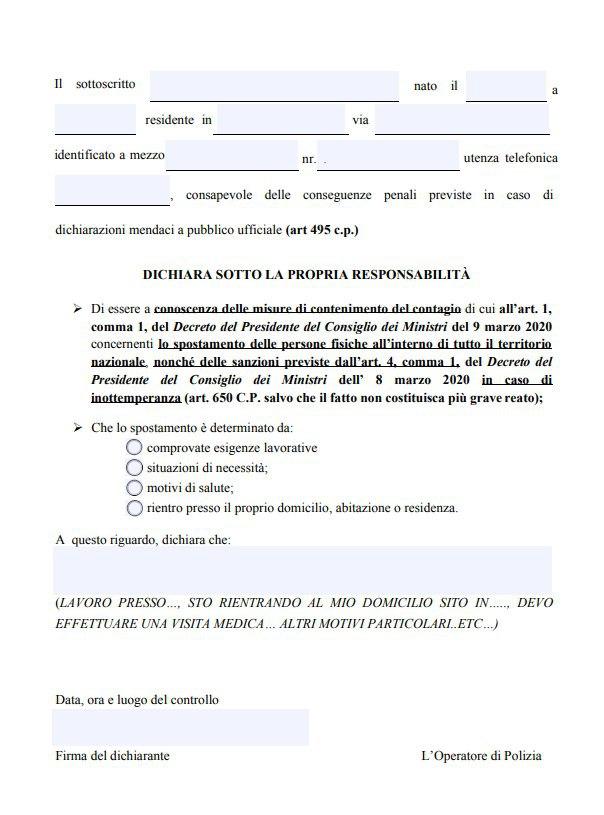
В стране будут работать только аптеки, продовольственные магазины и банки Почему–то оставили общественный транспорт На каждый поход из дома нужна такая форма, с мотивом по которому ты вышел из дома. Передвижение без нее — штраф 230 евро. После 18:00 выходить нельзя. От одной семьи за покупками может идти только 1 человек. Брифинг закончился только что, пока надо смотреть что напишет итальянская пресса
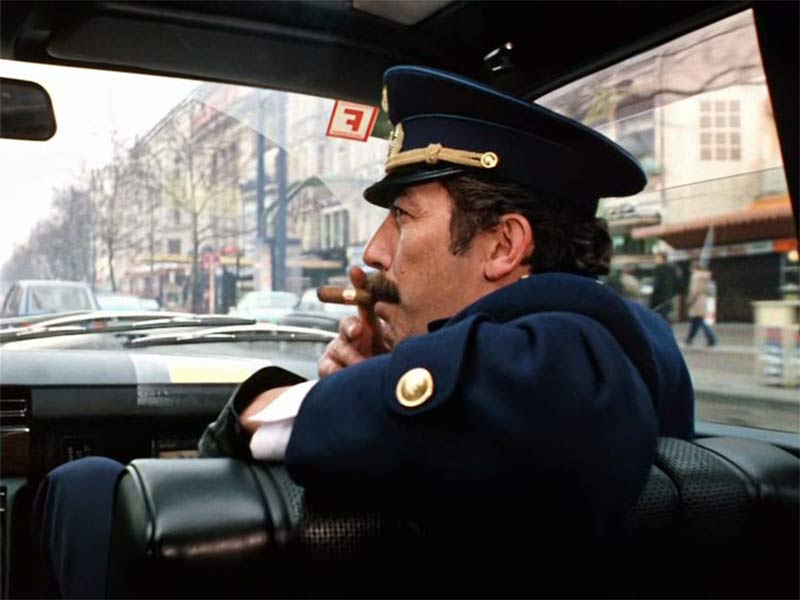
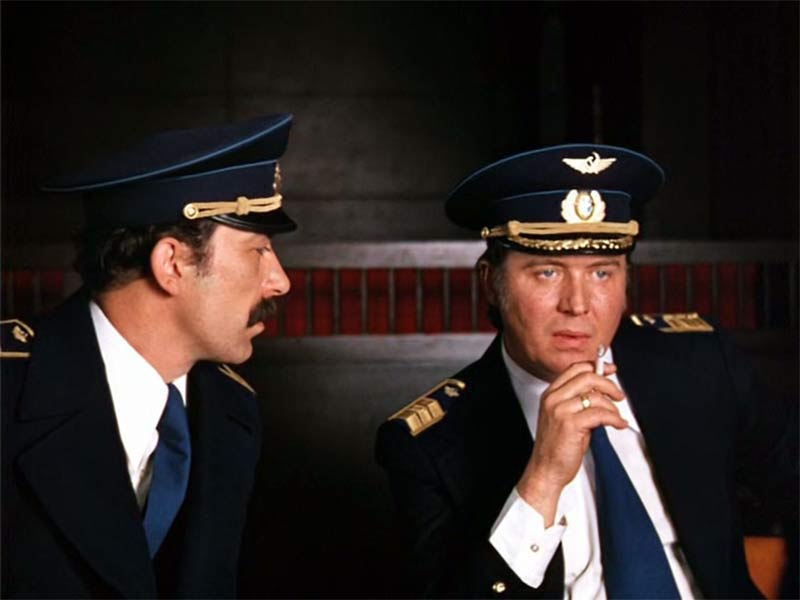
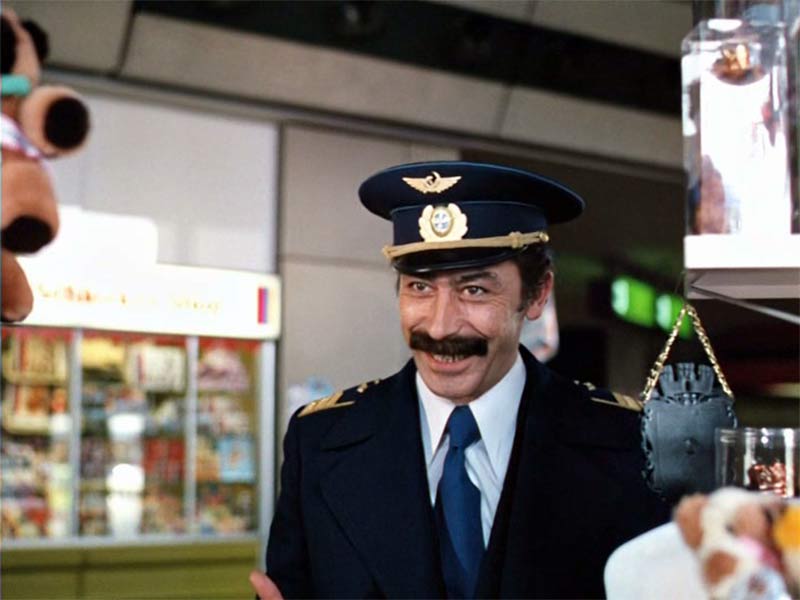
Кадр из фильма «Мимино» (реж. Георгий Данелия, СССР, 1977 год)
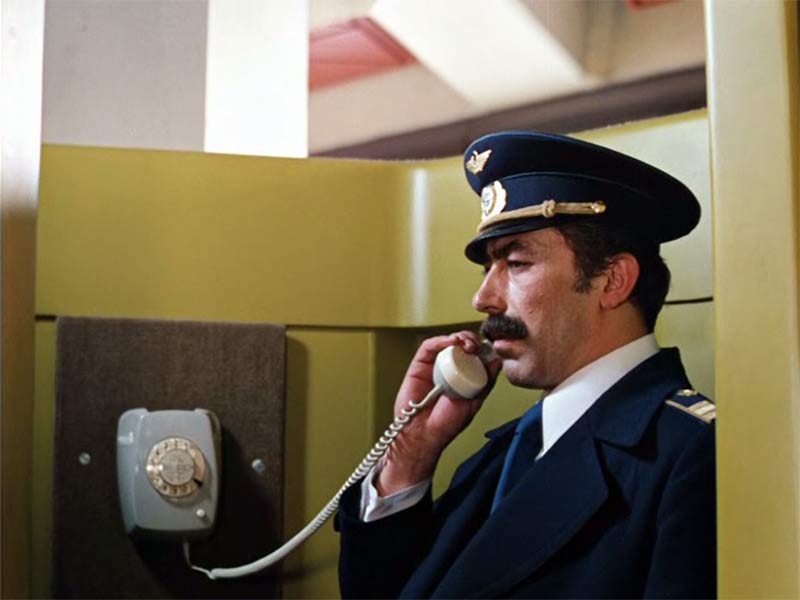
В фильме Георгия Данелия «Мимино» есть один эпизод, совершенно недостоверный в рамках советских реалий. Константин Сергеевич Станиславский, если бы увидел эту сцены, замахал бы руками и воскликнул «Не верю!» И речь вовсе не о том моменте, когда Мимино решил позвонить домой, в свой кахетинский городок Телави, а его соединили с израильским Тель-Авивом. Этот эпизод конечно необычен, однако – чего не бывает? Иностранная телефонистка по созвучию вполне могла перепутать Тель-Авив и Телави (в котором, кстати, предположительно похоронен папа товарища Сталина – Виссарион Джугашвили, что, впрочем, к делу не относится). Но сам этот фрагмент – с телефонным звонком – входит в более широкое действие, которое, повторю, в рамках советских реалий совершенно недостоверно. Если только не принять, как факт… Но давайте по порядку.
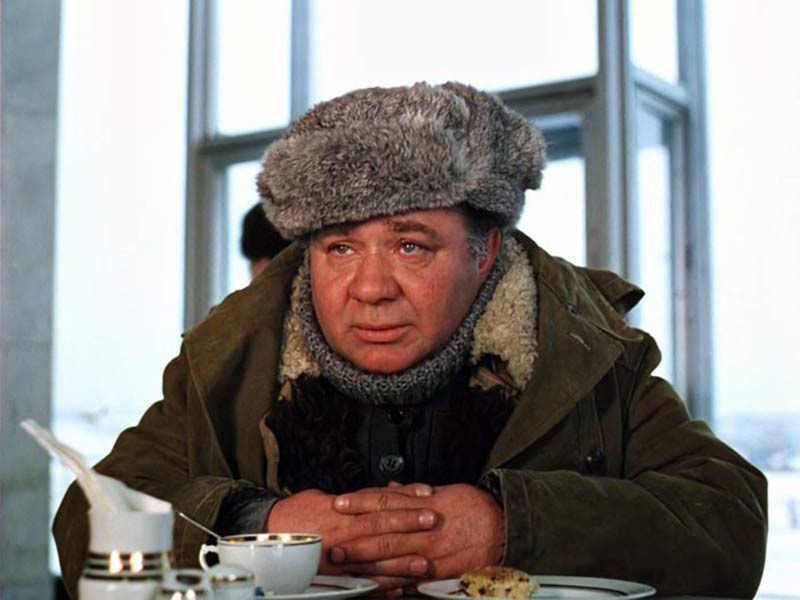
Как все мы помним – я полагаю, что у меня в журнале нет людей, которые хотя бы раз не смотрели бы фильм «Мимино»? – как все мы помним, Валико Мизандари по прозвищу Мимино, бросил свою уютную, но не геройскую работу пилота вертолёта в горах Гомборского хребта родной Кахетии и ринулся в Москву в надежде поступить в «большую авиацию». Шансов, говоря откровенно, у него почти никаких не было. Мимино, как уже сказано, был пилотом вертолёта, а не хотя бы АН-2, он достиг предельного возраста, когда пилотов принимали на переобучение, никаких связей и знакомств в Москве у него не было. Да ещё он попал под судебное разбирательство за хулиганство, получив в итоге пусть и лёгкое, но всё же уголовное наказание в виде штрафа и выплаты ущерба. То есть по всем анкетам он после этого пошёл как «имевший судимость», после чего его в СССР даже близко не подпустили бы к большой авиации. Финал предпоследнего акта фильм – почти всё потеряв, не имея денег даже на чай, Мимино сидит в одном из московских аэропортов, не зная даже как сможет вернуться домой. И вот тут с ним случается чудо.
Чудо заключается в том, что случайно в буфете он знакомится Иван Сергеевичем Волоховым, который ошибочно принимает Мимино за сына своего фронтового друга. Узнав историю Мимино, в память о своём погибшем друге, Волохов везёт Мимино к своем другому бывшему однополчанину, а ныне – какому-то большому начальнику, которого играет Николай Граббе. И хотя в кабинете этого начальника выясняется, что Мимино не имеет никакого отношения к их однополчанину, начальник ему помогает и Мимино оказывается в большой авиации. И не просто в большой авиации, а авиаотряде, обслуживающем рейсы в капиталистические страны, что в советской иерархии приоритетов было наверное самым большим призом в жизни. Ездить (летать) регулярно в капстраны хотел бы любой советский человек. И вот тут происходит самая невероятная для СССР история.
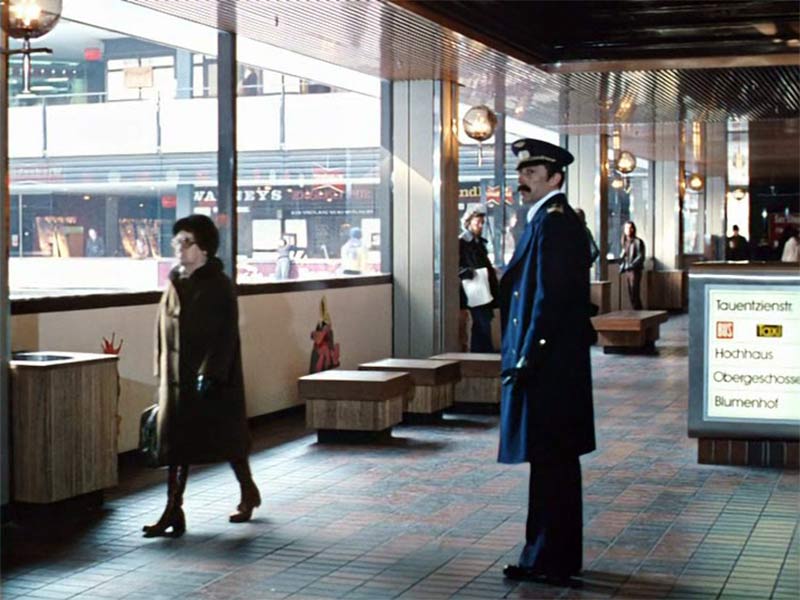
В одном аэропорту – судя по всему это Западная Германия, Мимино, вспоминая, что его новый друг водитель Хачикян очень хотел купить аутентичного игрушечного крокодила для своего племянника – а в СССР можно было купить только какое-то уродство, на крокодила почти не похожего – отправляется в центр города за покупками. Причём остальные члены экипажа под разными предлогами отказываются ехать с ним, и тогда Мимино один на такси, попыхивая сигарой, отправляется в торговый центр. Где с ним и происходит, в частности, история с ошибочным звонком в Телль-Авив.
И вот тут мы видим самую фантастическую сцену фильма. То, что Мимино случайно вламывается в Москве в квартиру оперного певца, с приветом от никому неизвестной бабушки и получает в ответ возможность поселиться в одной из самых лучших московских гостиниц, то, что в его номере оказался водитель грузовика, которого перепутали с профессором, то, что Мимино случайно в Москве встретил своего кровного врага, то, что ему повезло с адвокатом и он отделался штрафом, то, что Мимино в аэропорту познакомился с Волоховым и тот принял его за сына своего фронтового друга – это всё события маловероятные, но всё же нельзя сказать, что полностью невозможные. Как говорится – чего не бывает? Но вот того, чтобы советский человек, находясь за границей в капиталистической стране, мог в полном одиночестве поехать гулять по городу – вот это и есть самая фантастическая фантастика. Вот такого в советской реальности быть не могло ни при каких обстоятельствах.
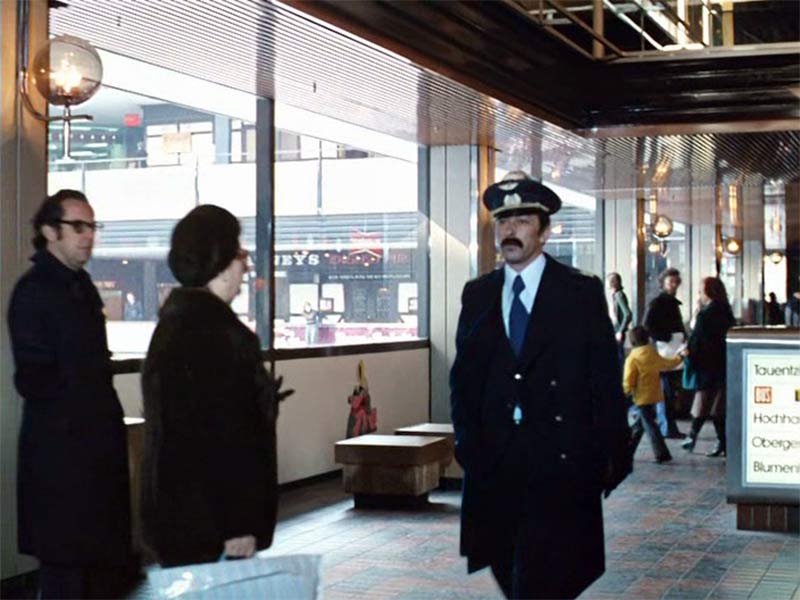
Одинокий Мимино в капиталистическом торговом центре.
СССР был страной, из которой народ убегал при первой же возможности. А кто не убегал, тот обязательно при первой же возможности готов был вступить в контакты с представителями западных спецслужб, чтобы продавать супостатам советские секреты. И хотя на самом деле это было не совсем так, но Политбюро ЦК КПСС было уверено, что все советские люди именно таким образом будут себя вести за границей, если им дать возможность свободно гулять по капиталистическим городам. Поэтому, чтобы исключить такую возможность, советские люди по иностранным городам в одиночку передвигаться не могли. Они всегда перемещались хотя бы небольшой группой, причём одним из членов группы всегда был агент КГБ СССР, на которого возлагались обязанности соглядатая. Каждый советский человек, находясь за границей, знал эти правила, а многие также понимали, что в их группе будет кто-то, кто после поездки будет составлять рапорты в Контору Глубинного Бурения.
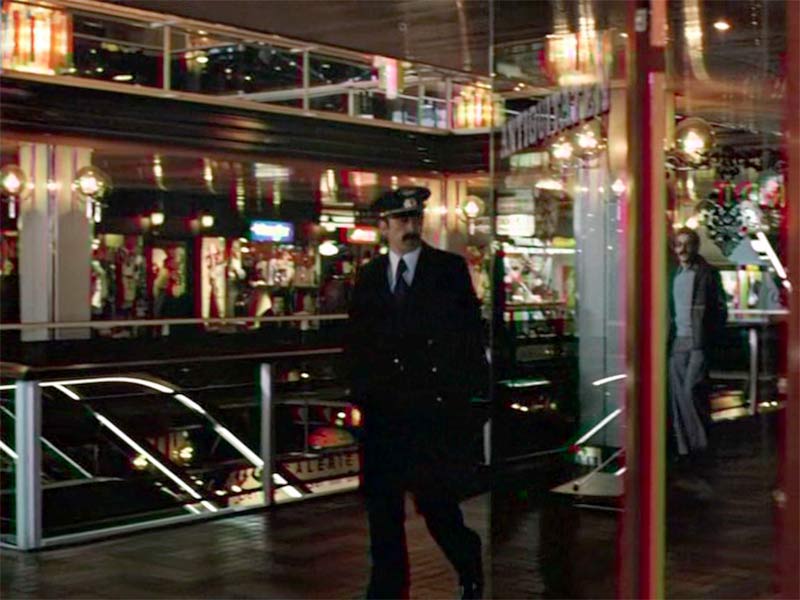
Непривычное для советского человека внутреннее убранство западного торгового центра с множеством бутиков.
А тут Мимино один отправляется в центр города, причём не для того, чтобы возложить венок на могилу советских воинов, а в самый что ни на есть эпицентр капиталистического соблазна – в мерцающий и блестящий сотнями привлекательных огоньков торговый центр. Никто бы Мимино одного – да ещё в первый полёт – не отпустил бы в город. Если командир корабля по каким-то причинам не захотел ехать и весь экипаж остался в аэропорту, то и Мимино остался бы. А если бы уж поехал, то только группой, пусть небольшой. Иначе он мог бы убежать или его завербовали бы. Такова была советская логика. Вот поэтому весь этот эпизод смотрится полной фантастикой.
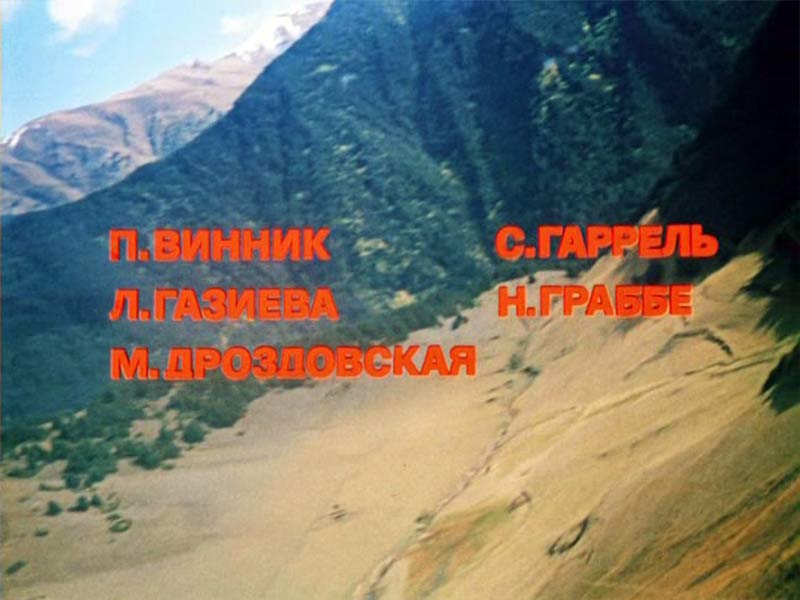
И однако…Однако тут есть некоторое двойное дно. Давайте вернёмся немного назад – в тот момент, когда Волохов везёт Мимино к своему однополчанину, который стал большим начальником. Что это вообще за начальник? В каком ведомстве он начальник? На одном сайте он указан, как «министр». Но в титрах фильма эта роль никак не обозначена. Николай Граббе, который сыграл фронтового друга Волохова, указан общим списком «в эпизодах» – просто «Н.Граббе».
Ну давайте попробуем прикинуть, кем мог работать друг Волохова по общему антуражу его работы.
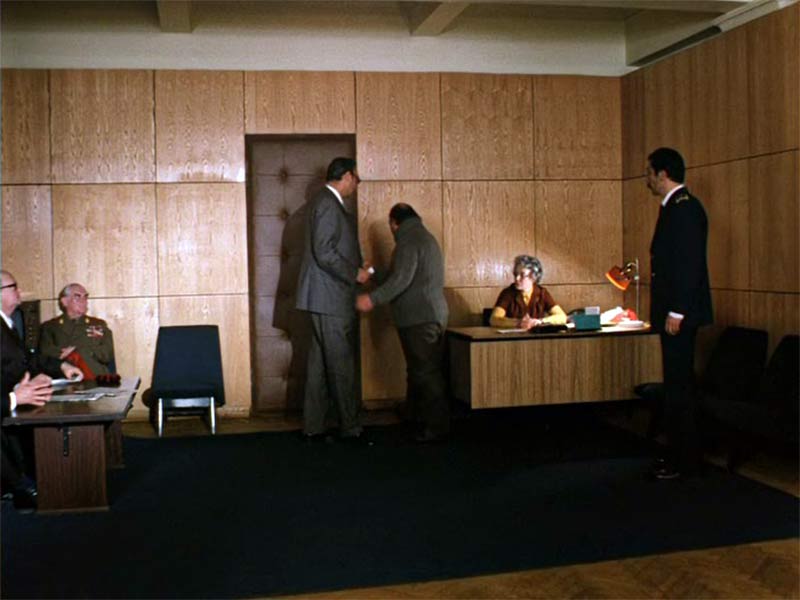
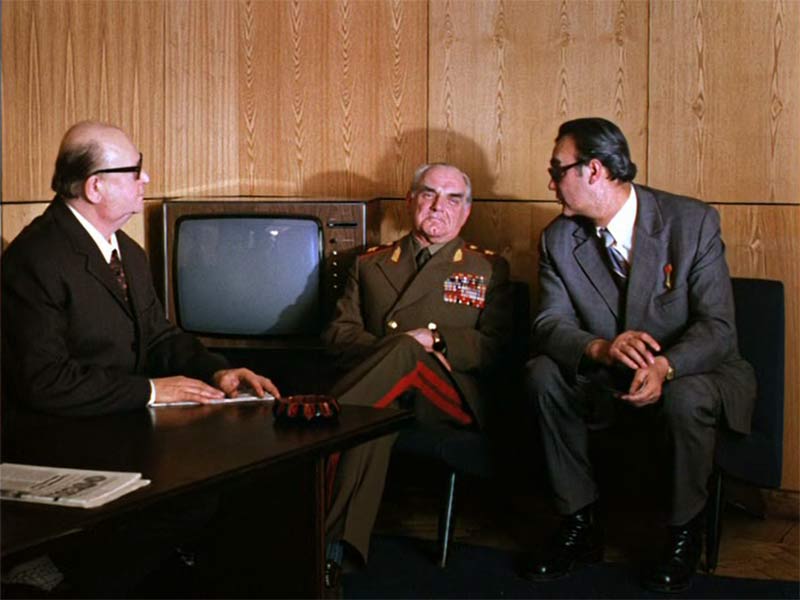
Приёмная этого фронтового друга по советским меркам – ого-го. Вся в деревянных панелях, что в те времена говорила о статусе. Но куда более внешнего вида приёмной о статусе хозяина говорят посетители, которые ждут приёма.
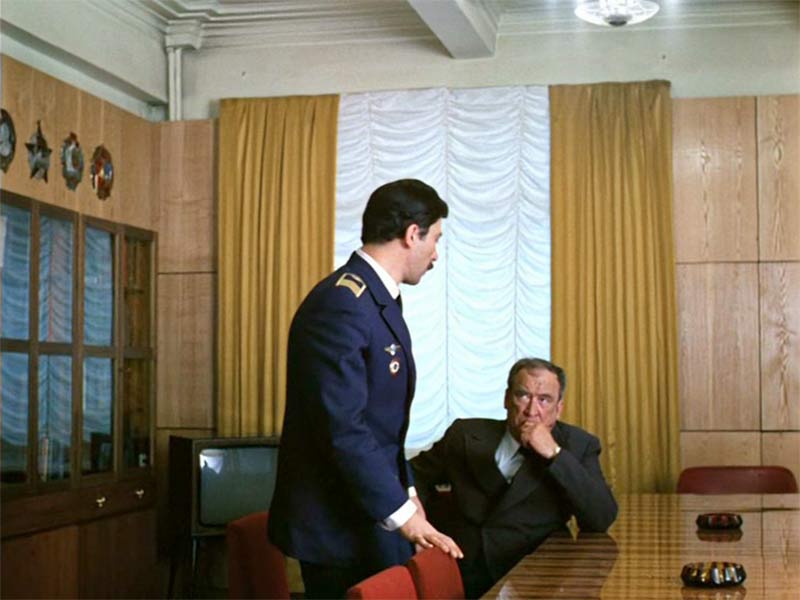
Целый генерал армии! Рядом тоже дядя характерного вида и с золотой звездой на пиджаке. Судя по его виду – тоже какой-то крупный начальник. И ждут в приёмной у фронтового друга, как простые посетители с улицы. А при этом сам хозяин в кабинете один. То есть он, зная, какие важные люди сидят у него в приёмной, он их «маринует». В СССР таким образом большой начальник показывало посетителям, какой он важный. Ну а что кабинет «министра»?
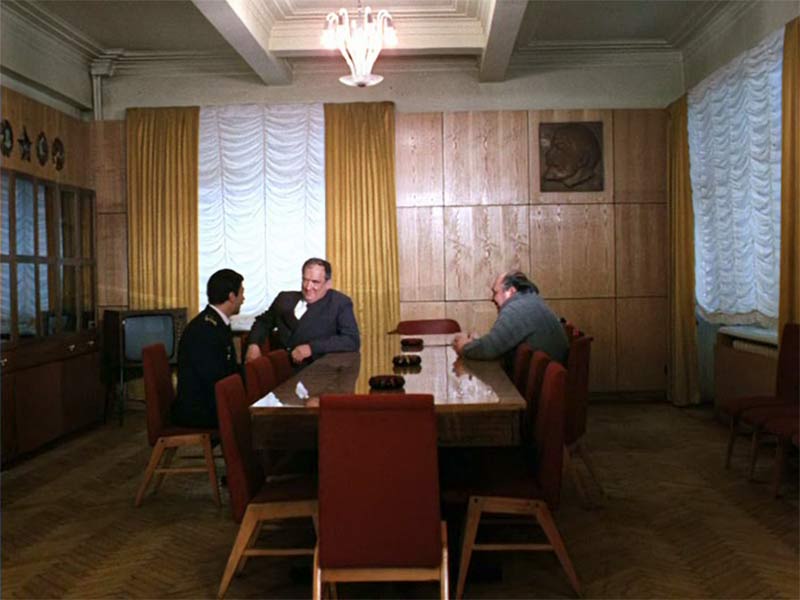
По советским меркам тоже всё более чем основательно и солидно. На стене вист барельеф Ленина. Но есть ощущение, что там должен висеть другой барельеф.
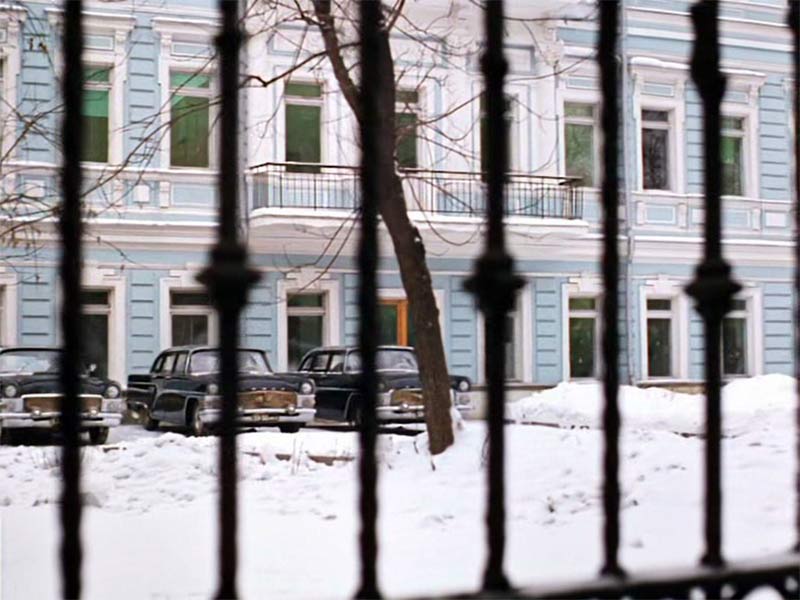
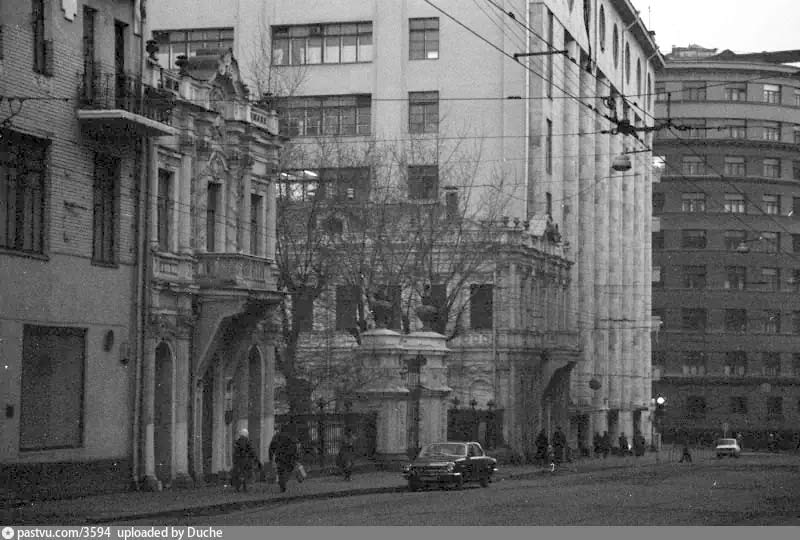
Посмотрим на здание, в котором работает «министр», снаружи.
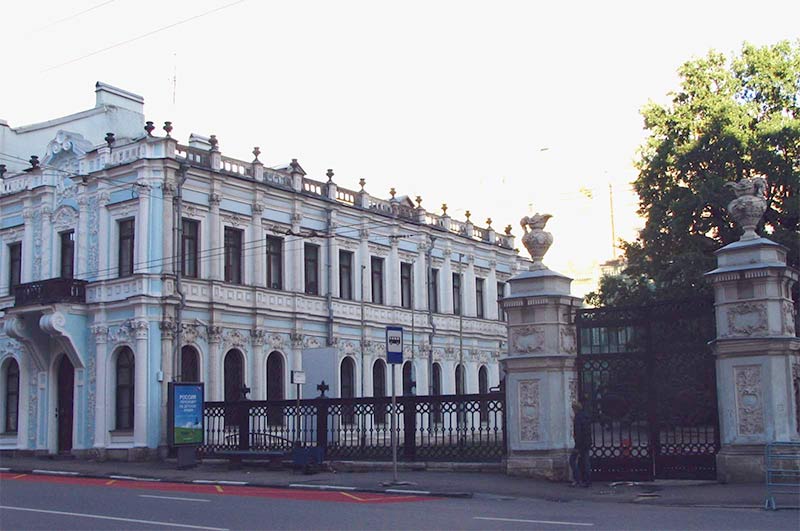
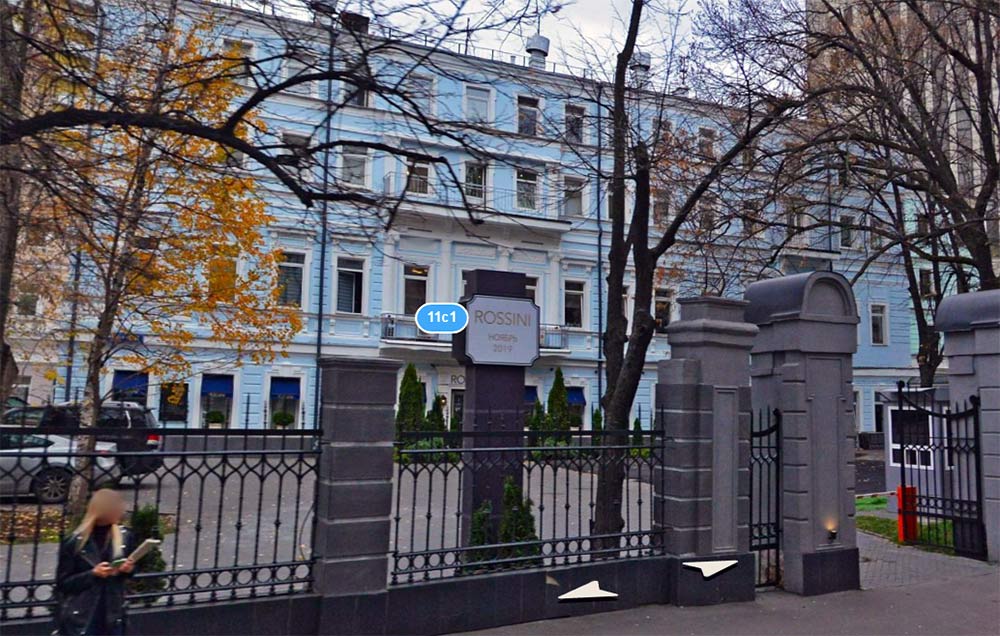
У подъезда сплошь «Чайки», что лишний раз говорит о высоком статусе как посетителей, так и самого «министра». Жалко номеров не разглядеть. Но в данном кадре куда интереснее само здание. Какой-то небесно-синий особняк в центре Москвы. Это здание, в котором работает большим начальником друг Волохова в фильме «Мимино», очень напоминает вот это здание:
Даже чёрная решётка перед особняком схожая. Хотя детали конечно разные. Сразу скажу, что это разные здания. То что второе – это современная фотография усадьбы Орлова-Денисова, которая расположена на улице Большая Лубянка (бывшая улица Дзержинского). Вот фотография этого особняка (его ворот и флигелей) в начале 80-х:
Кто хорошо знает Москву, тот сразу узнает несколько мрачноватое здание на заднем плане в правой части фотографии. Это здание КГБ СССР, в котором находился кабинет Ю.В.Андропова. Там вообще многие здания имеют отношение к этому ведомству. Не исключением была и усадьба Орлова-Денисова, которая в 70-е годы (то есть тогда, когда происходит действие фильма «Мимино») принадлежала КГБ СССР (там помещался архив). Повторю, тот особняк, который показан в фильме «Мимино» – это другой особняк, не усадьба Орлова-Денисова. Просто визуально на неё достаточно похожее здание. В Москве вообще не так много особняков такого синего цвета. Поэтому мысль о усадьбе Орлова-Денисова возникает сама собой.
В фильме «Мимино» показан особняк на Поварской улице. Вот так он выглядит сегодня:
Вот что пишут про это здание в ВиКи: «Усадьба П.М.Чернова середины XVIII века, перестраивалась после 1812 года и в 1870-е годы. После 1917 года здесь разместился 6-й Дом Советов… Здесь же размещался Наркомат рабоче-крестьянской инспекции и находился кабинет наркома И.В.Сталина». Ого! В этом доме какое-то время работал сам Сталин. Вон куда гвоздички надо носить, если есть такое желание. Впрочем, охрана вряд ли пустит. А 70-е, когда снимался фильм, в здании размещалось издательство «Советский писатель». В общем, по любому это здание, показанное в фильме, непростое. А уж то, что в нём когда-то помещался кабинет самого Сталина, сразу делает его совсем не рядовым. И вообще задёт фильму «Мимино» некую «несущую частоту» или рифму. Мимино родом из Телави, где предположительно похоронен отец Сталина, а под занавес он получает путёвку в большую жизнь в здании, в котором когда-то работал сам Сталин. Хотя вряд ли Данелия имел в виду именно эту линию. Этот особняк на Поварской улице он выбрал только потому, что там было легко добиться разрешение на съёмку. А кто бы ему дал проводить съёмку возле одного из зданий, принадлежавших КГБ СССР?
В общем, точно сказать, кем же работает друг и бывший однополчанин Волохова, затруднительно. Однако же схожесть с усадьбой Орлова-Денисова, эти «Чайки» у подъезда, генералы и прочие высокие начальники (начальники управлений?), терпеливо ждущие в приёмной, делают вполне допустимой следующую версию.
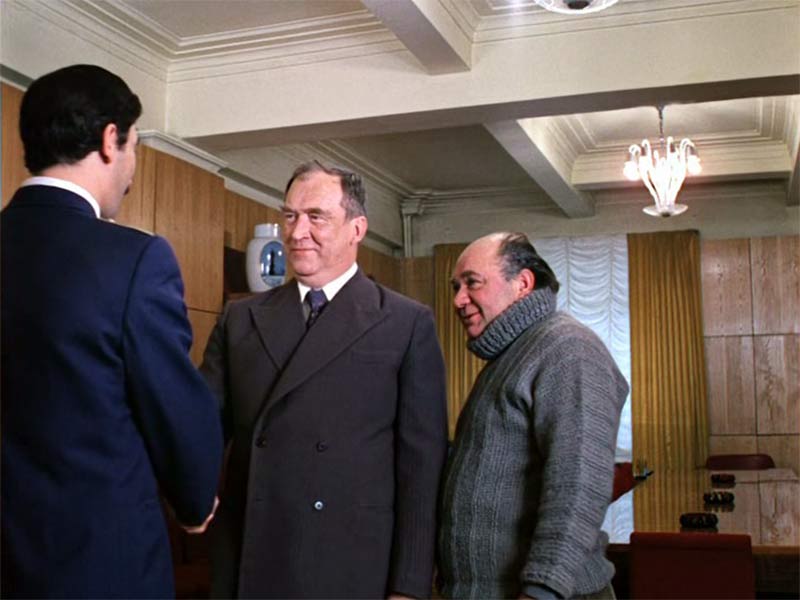
Этот высокопоставленные фронтовой друг Волохова – это высокопоставленный чин в КГБ СССР. И когда он узнаёт в Мимино сына своего фронтового друга, а потом узнаёт, что это не сын, он глубоко задумывается.
Вон как оценивающе смотрит. Что думает в этот момент этот высокопоставленный чин КГБ?
А думает он вот о чём. С одной стороны, ему хочется помочь этому грузину, который хотя и оказался не сыном их погибшего фронтового друга, но всё же очень похож на него. С другой, гражданская авиация – это по любому не его ведомство. Как бы уж там ни было, а даже очень-очень высокий начальник, пусть даже из КГБ, не мог просто так позвонить в другое ведомство и приказать взять на работу (или учёбу) какого-то человека, которого это ведомство отвергло. Но зато мог быть предложен другой вариант.
Мимино за право попасть в большую авиацию готов был пойти, наверное, на всё. Вот ему и предложили… стать агентом КГБ. И это сразу снимало все вопросы. Про линии КГБ его и внедрили в большую советскую авиацию. Скорее всего и судимость у него убрали из анкеты – потому что в загранотряд с судимостью было никак нельзя. В общем, как агенту госбезопасности ему стало возможно попасть туда, куда он мечтал попасть. Взяли его конечно не разведчиком. Чтобы стать разведчиком, он должен был долго учиться. Это не его вариант. А вот стать агентом, соглядатаем за другими членами авиаотряда и экипажа – работа простая, и не требующая какой-то серьёзной подготовки. Знай поглядывай, послушивай и пиши потом отчёты.
И в такой версии сразу снимаются вопросы, как это его одного отпустили в капиталистический город. А как его не отпустить? Скорее всего экипаж или, по крайней мере, командир корабля, даже знали, кем является Мимино, поэтому и не захотели ехать вместе с ним в торговый центр, симулируя усталость и «да я там всё давно видел». Вон как Мимино уговаривает командира поехать, а тот «устал».
Да по лицу видно, что ему совсем не улыбается ходить по центру капиталистического разврата вместе с Мимино. А сам Мимино, как агент КГБ, может и один поехать в торговый центр. Кто ему запретит? Да и сопровождающий ему не нужен.
И вот мы видим агента Мимино, в гордом одиночестве фланирующего по западногерманскому торговому центру. Даже иностранцы удивлены: ого! Русский и совсем один! Майн гот! Что за чудеса? А чудес никаких. Просто Мимино – это не простой второй пилот, пусть и элитного авиаотряда, а, бери выше – агент КГБ. Ему теперь всё можно.
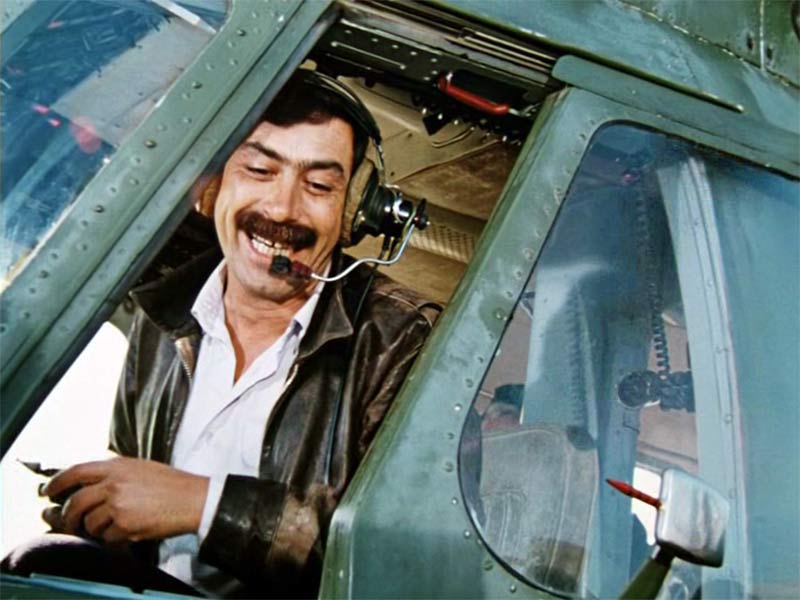
В этом месте и ной пытливый зритель может воскликнуть. «Позвольте, позвольте! Граждане! Но ведь в финале фильма показано, что Мимино вернулся в свои горы и снова стал вожить свою "бабочку", как он называл свой вертолёт. Что-то тут какая-то неувязочка. Если Мимино – агент КГБ, то кто бы его отпустил назад в родной Телави?»
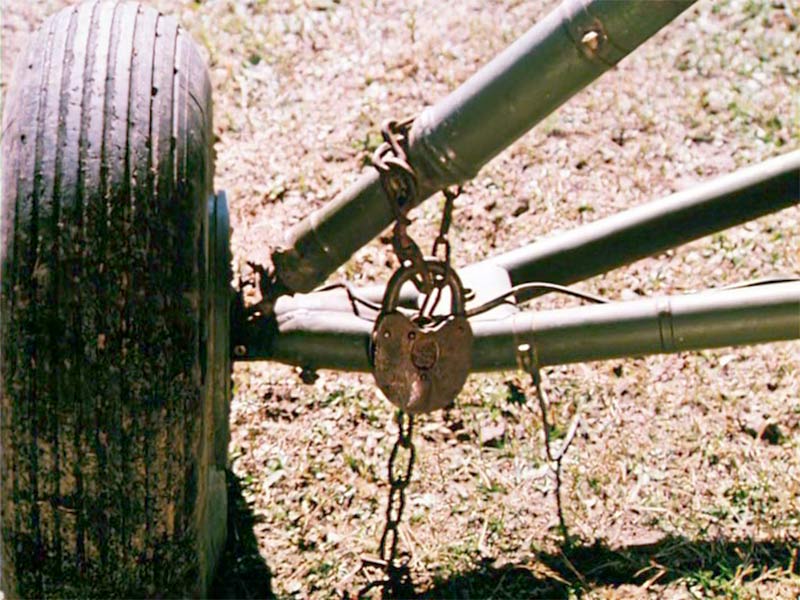
На это я отвечу следующее. Товарищи дорогие, а кто сказал, что финал фильма – это реальность, а не мечты Мимино? Летая на вертолёте, он мечтал о большой авиации. А попав в эту авиацию таким способом, он с тоской стал вспоминать свои безмятежные полёты над горами. Но это были только мечты. Никуда он из этого элитного авиаотряда уже не делся бы. Теперь он мог летать сколько угодно в капиталистические страны, а вот уйти уже не мог. Клетка закрылась. И символом того, что мечтая о свободе, он попал в куда большую зависимость, является самый последний кадр фильма. Стойка шасси – по сути, нога – к которой замком прикована толстая цепь.
With new reports of coronavirus cases being diagnosed popping up around the US, Google has taken the step of asking all North American employees to work from home if they can. The recommendation lasts until at least April 10th. A number of large tech companies had already instituted similar policies in the northwest after an outbreak began in Washington, and Google had already given a similar guideline to Bay Area employees.
At about the same time, the company also banned advertisements for medical face masks for the time being, and established a COVID-19 that will pay for temporary staff and vendors to take sick leave if they have potential symptoms or are quarantined. In a tweet, CEO Sundar Pichai said "Contributing to social distancing if you are able to, helps the overall community spread and most importantly, will help offset the peak loads through critical healthcare systems and also saves it for people in need."
"This is the first time I have seen such a dramatic drop-off over such a wide area for a specific event," said NASA air quality researcher Fei Liu. She made that statement after NASA's Earth Observatory released maps showing a dramatic drop in air pollution in the Wuhan region. Industrial output in the region would have already been down significantly due to the Lunar New Year. However, a government quarantine designed to stop the spread of the coronavirus disease COVID-19 made pollution drop much more significantly and for a longer period.
Maps of the Wuhan region from January 1st to February 25th, 2019 show a noticeable drop in air pollution during the Lunar New Year. However, pollution levels quickly rebounded, as seen in the dark red images from the same time last year.
This year has been another story, however. The virus story started to explode early in the New Year, after Chinese authorities had confirmed that the illness was caused by a new coronavirus similar to those that caused the SARS and MERS outbreaks. By January 23rd, the government had shut down all transportation into and out of Wuhan, while closing local businesses and factories in an effort to slow the spread of the virus.
As a result, NASA's NO2 maps of the region during the same period in 2020 show very light levels of pollution (as blue, rather than yellow and red) on the maps. Another key indicator of pollution, ozone, shows a similar result, according to NASA. Liu said that the agency has mapped pollution drops around Beijing during the 2008 Olympics, and in other nations around the 2007-2009 economic recession, but never to that level.
One of the great values of an airborne observatory is that scientists can assess pollution events and compare them to past periods. "There is always this general slowdown around this time of the year," said NASA air quality scientist Barry Lefer, an air quality scientist at NASA. "Our long-term OMI data allows us to see if these amounts are abnormal and why."
This time, the decrease is more than a holiday-related dropoff compared to past events going back to 2005. Overall, NO2 values during the COVID-19 outbreak were from 10 to 30 percent lower than what is normally seen at this time of year.
While that provides some breathing relief for residents, the coronavirus has devastated the region, causing nearly 3,000 deaths so far in China. "I am not surprised [about the pollution drop] because many cities nationwide have taken measures to minimize spread of the virus," said Liu.
How a small Canadian town is integral to your trans-Atlantic flight
For long-haul airline pilots, the name Gander is well known. For those sitting in the back of the aircraft, the small Canadian town passing by on the moving map will barely be noticed.
From boosting the war effort in Europe between 1940 to 1945 to hosting celebrities such as Frank Sinatra and John Travolta, Gander is now responsible for the safe passage across the Atlantic of thousands of flights every week. If you’ve flown between North America and Europe, Gander has kept you safe in more ways than you can imagine. So how did this small town become such an integral part of trans-Atlantic trade?
Gander history
The airport at Gander dates back to 1936 when the construction of an international airport began. A few years later, boasting four runways, it was the largest airport in the world. On January 11, 1938, the first-ever flight landed, operated by Imperial Airways for the Newfoundland government.
During WW2, the airport became a key facility in the moving of Allied aircraft from North America to Europe. Due to its position on a Great Circle route between the two continents, Gander was the perfect location to refuel before the long Atlantic crossing.
Gander airfield during WW2. (Photo courtesy of the Town of Gander)
In November 1940, a formation of seven Lockheed Hudson bombers made the first crossing to join the war effort in Europe. Over the next five years, more than 20,000 American and Canadian bombers and fighters would pass through Gander to join their squadrons on the other side of the Atlantic.
With the war over, the strategic location of the airport would aid the growth of trans-Atlantic commercial traffic. Airlines such as Trans World Airlines (TWA), Pan American Airlines (Pan Am), British Overseas Airways Corporation (BOAC) and Trans Canada Airlines began regular trans-Atlantic flights using Gander as the refueling stop.
By the 1950s, Gander was the busiest airport in the world, handling over 13,000 flights and 250,000 passengers a year. To handle this massive demand, a new terminal was built and opened by Queen Elizabeth II in 1959. Anyone who was anyone was familiar with the custom furniture and Terrazzo flooring in Gander’s progressive new terminal.
Aircraft on the ground in Gander in the 1950s. (Photo courtesy of the Town of Gander)
Frank Sinatra, Bob Hope and John Travolta were all regulars as they made their way across the Atlantic. Fidel Castro was once photographed tobogganing in the snow behind the town’s hospital.
However, the boom times were not to last. With the advent of the jet age, aircraft were able to fly further and the requirement to refuel in Gander was reduced. Whilst the new jet aircraft brought a notable downturn in the passenger business for the airport and its community, it would not spell the end for the Gander story.
Like any successful enterprise, you either evolve or die. Gander did the former.
The North Atlantic Organized Track System
With over 1,000 flights crossing the Atlantic Ocean each night from North America to Europe, it’s some of the busiest airspaces in the world. To complicate things further, for the vast majority of the crossing there’s no radar coverage. This means that ATC is unable to see in real-time where aircraft are.
With such a high number of flights, without a plan, the whole thing would quickly descend into chaos. It is here that Gander stepped up to the plate.
Aircraft need to go from A to B as safely as possible but also as commercially efficiently as possible. For the most part, traffic heading east from North America to Europe does so overnight. A few hours later, the flow is reversed as the aircraft make their way back to the USA and Canada.
When crossing the Atlantic Ocean, traffic tends to flow eastbound overnight and westbound during the day. (Photo by Daniel Ross/The Points Guy)
Most of the traffic crossing the pond passes through the Gander Oceanic Area Control Centre (OACC). Here, controllers have the responsibility of sending traffic across the Atlantic overnight and then receiving them back a few hours later during the day.
To facilitate this flow, each day airlines send Gander their preferred routings for their eastbound flights during the night. Controllers collate this data and create a set of routes using GPS positions. This is known as the Organized Track System (OTS).
There are usually around six to seven of these tracks each night and they are then given an individual designator. Westbound flights during the day use tracks labeled Alpha, Bravo, Charlie, etc. So, to avoid any confusion, eastbound flights overnight start at Zulu and work backward. Therefore Yankee, X-ray, Whisky etc. Any flights planning to fly in this area of the Oceanic airspace must use the OTS.
The westbound Organized Track System for a flight from London to New York. (Image by Charlie Page/The Points Guy)
Traditionally these tracks were spaced at one degree of latitude intervals, roughly 60 nautical miles apart. Aircraft are then separated by 10-minute intervals along the track and 1,000 feet vertically.
However, due to demands on the system, ATC has utilized the greater navigation accuracy of modern aircraft and reduced the lateral separation to 30 nautical miles. Not only does this allow more aircraft to cross the Atlantic in a given time, but it also enables more aircraft to fly at their optimum cruising level, reducing their carbon emissions as a result.
Oceanic clearances
When a flight is 90 minutes from the start of the oceanic crossing, pilots send a message to the Gander Oceanic controllers with several details:
Oceanic entry point.
Estimated time of arrival at that point.
Requested flight level (altitude).
Requested speed.
Maximum flight level they are able to fly.
The messages from all the aircraft are collated by the controllers who do their best to accommodate all the requests. When a plan has been formulated for a flight, Gander then sends the pilots their oceanic clearance as seen below.
An oceanic clearance. (Photo by Charlie Page/The Points Guy)
On receipt of the clearance, both pilots must then stringently check that the route, altitude and speed that the aircraft has been programmed to fly matches the clearance. If there are any changes, normally to the altitude or speed, corrections must be made.
On rare occasions that there is a bottleneck on one of the tracks, a re-clearance onto another track may be made. This involves some serious workload to accurately change the route in the Flight Management Computer and, once again, checking for any errors.
ETOPS alternates
Even though Gander has lost its role as the refueling center for trans-Atlantic traffic, its geographic location still provides a valuable service to the jet aircraft passing thousands of feet overhead.
Most traffic crossing the Atlantic these days are twin-engine aircraft, such as the Boeing 787 Dreamliner, which I fly. Whilst they are as safe as their four-engine counterparts, twin-engine aircraft have to comply with a number of rules to cover the eventuality of an abnormal situation such as an engine failure. These are known as Extended Range Twin Operations — ETOPS.
ETOPS rules apply to any flight which contains a point greater than one hour flying time on a single-engine from a suitable airport. This airport is known as an ETOPS alternate and Gander’s geographic location makes it a perfect choice.
In order for an airfield to be suitable as an ETOPS alternate for a flight, the following conditions must be met.
Firstly, the runway must be long enough to land on. This may seem obvious but there is far more to this than you may think. Factors such as the wind direction and speed, surface conditions and aircraft weight all affect the landing distance required. With two runways both over 2,500 meters, Gander has sufficient length to accommodate even the biggest of aircraft.
Next, the aerodrome must have facilities to allow an aircraft to make an approach to the runway using the instruments in the flight deck. Gander has an Instrument Landing System (ILS) on two runways and an RNAV (GPS) approach onto the other two runways. These allow aircraft to land in visibility as low as half a mile.
Gander has four runways, all over 2,500 meters and with good approach aids. (Image by Charlie Page/The Points Guy)
Thirdly, the forecast must ensure that the visibility and cloud base during the period where the aircraft may need to land is good enough. It’s no use needing to divert, only to find out that the weather isn’t good enough to allow you to land. In winter, this can often be the deal-breaker when trying to use Gander as an ETOPS alternate.
Traditionally, oceanic communications relied on High Frequency (HF) radio communications. These don’t require line of sight for a connection as they use the earth’s upper atmosphere to bounce back down. However, these are notoriously unreliable as they are affected by the earth’s magnetic field and can quite often be unusable. As a result, HF comms are mostly used as a backup.
The advent of satellites in orbit above the earth solved this problem. By using satellite communications, the CPDLC (Controller Pilot Data Link Communications) system can keep the pilots in contact with the controllers on the ground in Gander.
Connected to Gander (CDQX) CPDLC. (Image by Charlie Page/The Points Guy)
Each time the aircraft crosses a waypoint on the track, the communications system automatically sends a position report to the controllers on the ground. This enables them to know what time the aircraft passed that point and at what altitude. It also tells them at what time they estimate the next waypoint. In the absence of radar, these position reports enable controllers to keep tabs on aircraft and ensure they remain safely separated.
Gander controllers are only responsible for the western half of the Atlantic. At 30 degrees of longitude west, aircraft are transferred to the responsibility of Shanwick OACC, based in Prestwick, Scotland.
Approaching “thirty west,” aircraft log off the Gander CPDLC and connect to the Shanwick CPDLC. Pilots are also given a set of HF frequencies as their backup communications. Once connected with Shanwick, the flight proceeds as before, with the aircraft now sending position reports to Scotland instead of Canada.
9/11
Whilst Gander has established itself as a core background part of the aviation industry, the events of Sept. 11, 2001 would bring it into the spotlight once again.
With the events unfolding in New York and Washington, the USA and Canada closed its airspace. With hundreds of flights already on their way across the Atlantic, some turned back to Europe. However, the flights which were almost across the Atlantic were forced to divert to airports in eastern Canada, Gander being one of them.
Aircraft on the ground in Gander after the events of 11 September 2001. (Photo courtesy of the Town of Gander)
In the space of a few hours, 38 aircraft landed at this bastion of international aviation.
Landing and parking the aircraft on such a well-equipped airfield wasn’t too much of a problem. What to do with a sudden influx of 6,700 people for five days was a different matter entirely.
Fortunately, the people of Gander are different. They threw their doors open to welcome their unexpected guests. Gyms, church halls, community centers and schools were turned into makeshift shelters. Locals took the “come from aways” moose hunting, on sightseeing trips and invited them into their homes for BBQs.
Stranded passengers bedding down in a gym in Gander after the events of 11 September 2001. (Photo courtesy of the Town of Gander)
The story of the town’s reaction to this unprecedented event even resulted in a Broadway and West End musical, perfectly named “Come From Away.” The captain of that aircraft was also a woman called Beverley Bass, the first female captain for an American Airlines commercial plane.
Bottom line
The town of Gander is as important for international air travel today as it was nearly 100 years ago. Instead of hosting thousands of aircraft a year on the ground, it now hosts thousands of them every week in the skies above.
Not only is it a base for one of the most important Air Traffic Control centers in the world, but the airport also satisfies the requirements of an ETOPS alternate for the hundreds of twin-engine aircraft passing by every day.
The size of the airport also makes it incredibly useful to bigger aircraft such as the A380. Whilst they don’t need ETOPS alternates, they do need airports big enough to handle them should they have a technical problem or a medical emergency on board. Finally, I’d like to thank Brian Williams, Tourism Development Officer at the Town of Gander for his help with the images.