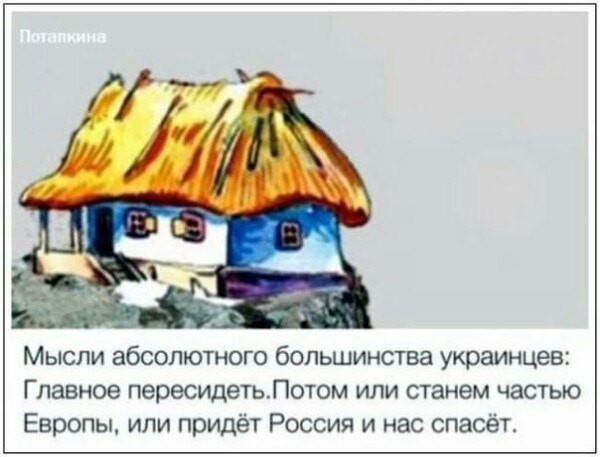
Все основные фэнтезийные расы были изобретены ещё Гоголем.






 Взято отсюда
 Взято отсюда
 Взято отсюда
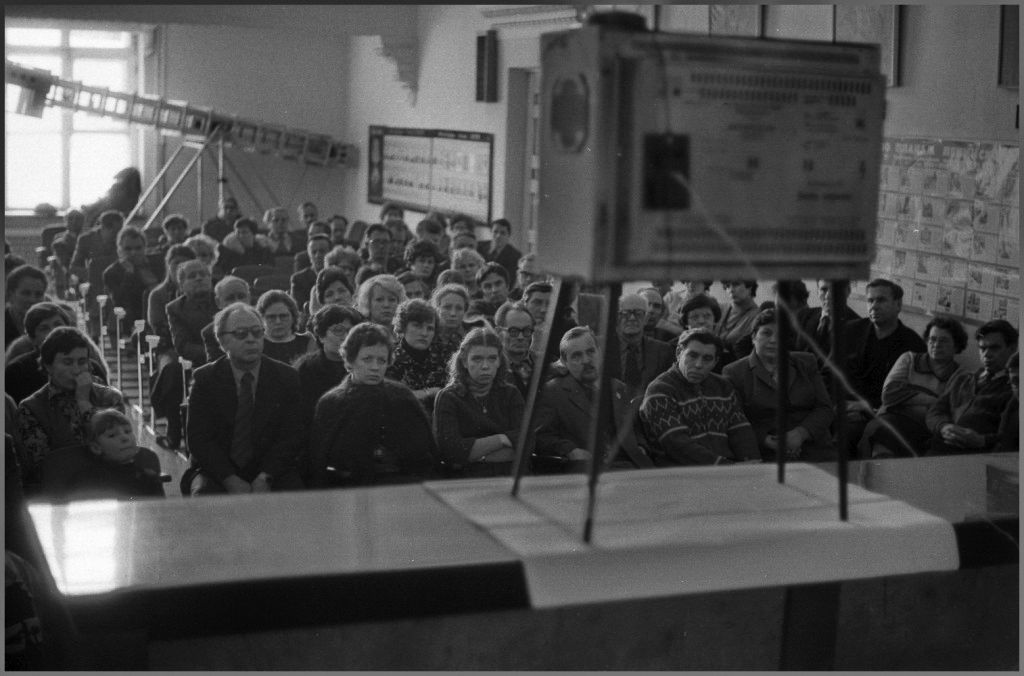
“Похороны Генерального секретаря КПСС Юрия Андропова в актовом зале ЗСГУ. Новокузнецк. 1984 г.”
Published April 16, 2016
If you see Red Army trucks, tanks and helicopters in the sleepy Icelandic town, do not be alarmed.
RÚV reports that the filming of Fast 8 – the eighth movie in the Fast & Furious franchise – have moved from Mývatn in north Iceland to Akranes in the west.
Numerous Grapevine readers have contacted us with troubling reports of tanks and other military vehicles in the town, with some speculating it had something to do with American forces in Iceland conducting air patrols.
Readers can rest assured these military craft are all a part of the filming of Fast 8, which will presumably either take place during the Cold War or in some alternate universe where the Soviet Union won, given the insignia on the military craft.
Akranes mayor Regína Ásvaldsdóttir told reporters that filming has been a boon to the town, as numerous members of cast and crew have been pouring into shops for provisions. How long the filming will last is still unknown.
Утро. Весна. Вся Россия в едином порыве готовится к Прямой Линии.
Матери умывают детей ионовыми губками с запахом дождя, занятия в школах отменены, из репродукторов несется праздничная музыка. Над Москвой парят голограммы Первого Человека: он приближается к городу в расписном автоплане «ЗИЛ Фаберже», готовясь к мягкой посадке в колл-центр.
Ровно в 12:00 в небе вспыхивает ослепительный слоган: «Прямая Линия – день чудес!»
Миллионы россиян поспешно протирают датчики, прикрепляют их на головы, подключаются к государственной нейросети. Каждый надеется, что сегодня в его жизни свершится чудо – как это происходит уже десять лет подряд.
Давно уже забыты и Рождество, и Новый год, даже дни рождения россияне отмечают символически. Главный праздник – День Прямой Линии, который напоминает россиянам о том, что все вопросы уже давно решены – остались только пожелания, которые можно высказать Первому Человеку в режиме реального времени.
И вот в миллионы голов входит знакомый уверенный голос: «Здравствуйте, дорогие граждане России!» Начинается встреча с чудом, которую, как обычно, ведет Канал №1.
По традиции, первое слово предоставляют детям. Школьник из Тувы жалуется, что мама заставляет его есть гречневую кашу. «А ты какую кашу любишь?» — улыбается Первый Человек. «Манную», — признается ребенок.
В тот же миг вся каша, которая готовится в домах тувинцев, становится манной.
Котлеты оборачиваются манными битками. Супы наполняются манной крупой. Рабочие тувинских заводов с изумлением разворачивают бутерброды с манной кашей.
— Давайте теперь взрослых, — командует Первый Человек.
Почетный журналист Дорен Сергенко просит что-нибудь сделать с соседями, которые до глубокой ночи беседуют о демократии, мешая ему спать.
— Больные люди, — сокрушается Первый Человек. Срочно вызванный врач констатирует у соседей Сергенко молниеносную ангину.
Всем удаляют гланды, половина соседей лишается языка.
— Сын у меня дебил, — жалуется жительница Забайкалья. — Все время играет в компьютер, а искусство не любит.
— Полюбит, — обещает Первый Человек.
Участники Прямой Линии слышат, как квартира далекой забайкальской жительницы оглашается ревом аккордеона. Не переставая играть вальс «На сопках Маньчжурии», подросток истошно требует акварельных красок, балетные чешки и килограмм глины.
А на линии уже гражданин из Омска. У него не работает тостер. Ни одна мастерская не берется починить. Мужчина еще не успевает закончить свою мысль, как новостные агентства передают: во всех булочных Омска с сегодняшнего дня продается только горячий поджаренный хлеб одного сорта.
Молодая иркутянка сетует на невыводимые пятна от кетчупа — и Первый Человек тут же подписывает указ о запрете продажи кетчупов и других пачкающих соусов и жидкостей.
К нейролинии подтягиваются роботы и суперкомпьютеры.
Робот-пылесос №02342145 просит отправить его на Ближний Восток, сражаться с игиловской гидрой, все еще запрещенной в Российской Федерации. Первый Человек не согласен: «Именно неприменение силы со всех сторон приведет к умиротворению».
Перебивая Прямую Линию, министр обороны лично рапортует об отправке в годичный отпуск всего личного состава российской армии.
Боевой робот «Андрей» просит наконец приделать ему ноги.
— Вы знаете, мы подумаем, как это сделать оптимально, — говорит Первый Человек. — У нас бюджет довольно ограничен, но может быть, мы направим вам в помощь кого-то из тех солдат, которые сейчас, как вы слышали, должны отправиться в отпуск. Они будут носить вас первое время. А потом что-нибудь придумаем.
Из низовий Волги звонит щука. Она предлагает Первому Человеку исполнить три его любых желания.
— Да что вы, — отвечает тот, — давайте лучше мы три ваших исполним. Чего вы хотите?
Щука в замешательстве.
— Надо подумать, — шепчет она.
— Вот видите, — говорит Первый Человек, — не стоит уповать на сказочных героев. Надо жить реальной жизнью.
Щука умирает.
В нейросеть заходит стая орланов-белохвостов с острова Шикотан. Они умоляют что-то сделать. Они не в состоянии прокормиться, поскольку вся рыба, плавающая вокруг Курильских островов, заявляет о своей принадлежности к Японии.
— Сразу видно, откуда тут уши торчат, — сокрушается Первый Человек. — Вот уж чем-чем, а рыбой мы всегда славились. Все будет хорошо.
В тот же миг вся рыба из Волги, Днепра и Дона самоотверженно устремляется на Курилы, вызывая наводнения и панику среди населения.
Орланы спасены.
Поступает звонок из Крыма. Две черноморских афалины рассказывают, что живут только спасением людей. Они хотели бы понять: кого им спасать, если в один момент будут тонуть президенты Украины и Турции.
— Я так скажу, — отвечает Первый Человек, — по-моему, если кто-то решил утонуть, спасти его невозможно.
Сразу же после этого по всем новостным лентам разносится сообщение: десять кораблей НАТО в Средиземном и Балтийском морях по неизвестным причинам пошли на дно.
Участники Прямой Линии встречают это сообщение смехом и аплодисментами.
Сквозь гул оживления пробивается звонкий голос бабы Зины. Она желает всем и лично Первому Человеку вечного здоровья. «Очень верно!» — кивает президент.
В тот же миг все больные выздоравливают.
Начинается массовое изгнание пациентов из больниц и поликлиник. А тех, кто еще сидит на больничном, увольняют за саботаж без выходного пособия.
Прямая Линия длится около восьми часов и заканчивается салютом в 2026 залпов. Канал №1 заканчивает свою трансляцию.
Все пожелания россиян выполнены. Они по-прежнему верят в чудеса.
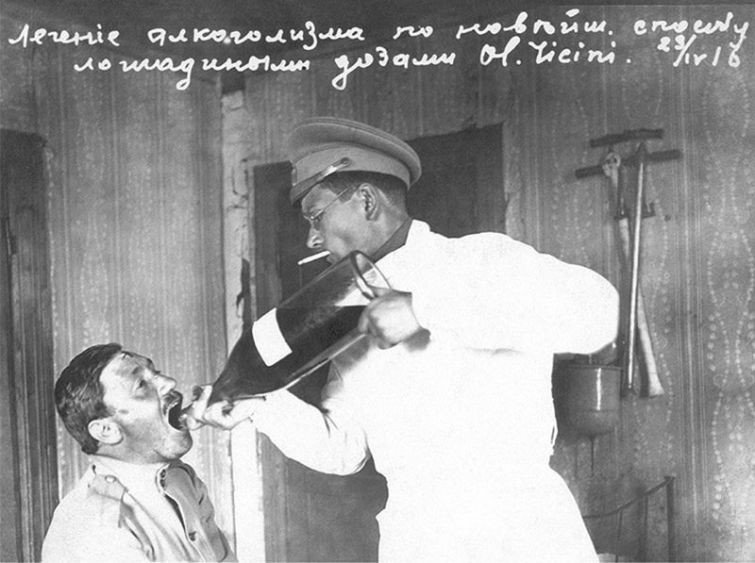
“Лечение алкоголизма по новейшей методике лошадиными дозами касторового масла. Российская империя. 1916 г.”
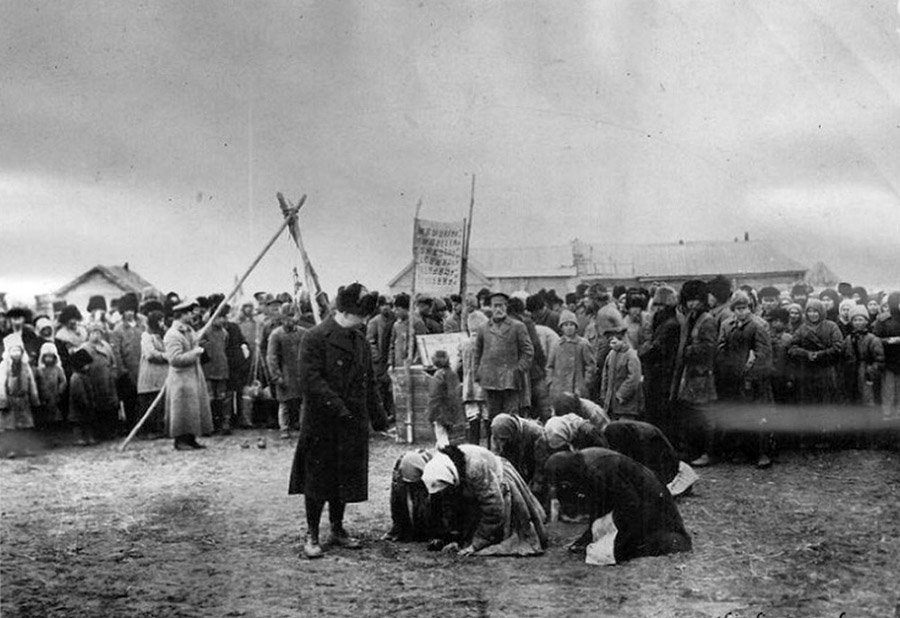
“Жители деревни Васильевка благодарят американца за продуктовую помощь. Самарская губерния. 1922 г.”
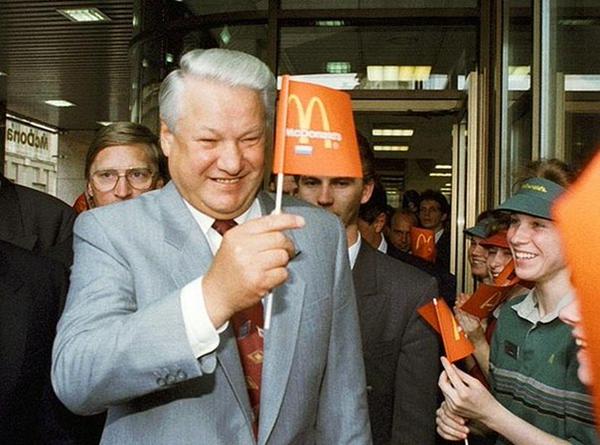
“Борис Николаевич Ельцин на открытии Макдональдса в Москве. Россия. 1991 г.”

When you almost-singlehandedly expose a vast, secretive spying network, you've every right to a little swagger. And Edward Snowden has frequently displayed that during his slow transition from whistleblower to privacy advocate. But there comes a time in every digital activist's life where they must choose a path: you either become a credible voice for good, or you become.. a voice. Presenting the new collaboration between electronic music legend Jean-Michel Jarre and Edward Snowden: "Exit."
Largely a pretty interesting piece of electronica, "Exit" takes a break from proceedings to allow Snowden to eulogize the need for privacy. Here are some choice quotes:
"Technology can actually increase privacy."
"Saying that you don't care about the right to privacy because you have nothing to hide is no different to saying you don't care about freedom of speech because you have nothing to say. It's a deeply anti-social principle, because rights are not just individual, they're collective."
"What may not have value to you today, may have value to an entire population, an entire people, or an entire way of life tomorrow. And if you don't stand up for it, then who will?"
Rock on. With this rousing call to action, Snowden feels like he's at the point where he'll either become another Jimmy Wales or another Julian Assange. By that I mean he'll be another generally respected voice that puts his name to some so-so projects. Or he'll be like Julian Assange.
The track is available now to stream and purchase digitally, and it'll also get a vinyl release next month. In a Guardian video discussing the track (embedded below) Snowden says "music is the thing that can humanize even the most abstract moment." We're expecting his guide to self-actualization through meditation any day now.
Source: The Guardian, Jean-Michel Jarre (Spotify)
Взято отсюдаВторой вариант — это японский вариант. Я учился в то время, когда все обсуждали так называемое «японское экономическое чудо». Сегодня мы прекрасно понимаем, что за этим так называемым экономическим чудом скрывались определенные геополитические планы хозяев денег. Япония нужна была как некий, будем так говорить, противовес Советскому Союзу на Дальнем Востоке. И некоторые стали говорить: вот реальный конкурент американского доллара. Но все закончилось достаточно банально. Соглашение «Плаза» - это 85-й год. Это встреча центральный банков нескольких ведущий стран. И Дядя Сэм потребовал от Японии в приказном порядке повысить курс йены. После этого «японское экономическое чудо» окончательно накрылось медным тазом. После этого йена уже стала терять свои позиции. И собственно говоря, йена остается на сегодняшний день лишь формально в корзине резервных валют. Но вот новоиспеченный резервный юань даже имеет больший вес в этой корзине, чем британский фунт и японская йена. Вот, собственно, у китайцев два таких варианта. Есть, конечно, третий вариант. Но третий вариант там обсуждают в очень узком кругу. Это возвращение к, будем так говорить, советской модели. Это модель, которая предполагает государственную валютную монополию. Юань должен вернуться в лоно национальной экономики. Быть национальной денежной единицей и не использоваться в качестве денег для международных расчетов. А уж тем более в качестве мировой валюты. Потому что использование национальной денежной единицы в качестве мировой валюты неизбежно приводит к тому, что страна, которая печатает эти национальные денежные единицы, она должна пожертвовать своей экономикой, своей реальной экономикой. Потому что эти денежные единицы могут попасть в международное обращение только в том случае, если платежный баланс этой страны отрицательный. Собственно, это проходила Англия в середине 19-го века. Это проходила Америка. Кстати, была очень серьезная оппозиция ратификации соглашений русской конференции в американском Конгрессе. Многие люди прекрасно понимали, что на этом кончается индустриальная Америка. И она действительно окончательно кончилась при Джоне Кеннеди. Джон Кеннеди последний, кто пытался хоть как-то купировать последствия вот решения Бреттон-Вудской конференции.
Хотел бы уточнить. Критика в адрес японского варианта пути для Китая на примере краха «японского экономического чуда». Но тем не менее, результатом этого самого периода развития Японии стал очень высокий уровень жизни, который был достигнут, и индустриализация, которую они провели. При том, что после этого темпы развития фактически были нулевыми, и соответственно, все, что было с этим связано, японцы от этого социально, похоже, не сильно страдали, нет.
Я напомню, что все-таки высшей целью экономики является человек. Именно человек, который являет собой образ и подобие Божье. Первое свойство Бога — творец. На сегодняшний день японцы перестали быть творцами. Это просто некое существо, ну будем так говорить, человек, но с некими усеченными свойствами, качествами, функциями. И, конечно, я бы не хотел, чтобы Россия шла по японскому пути.
Вы вспомните, как умирал Рим. Собственно, Рим умирал от пресыщения. Аристократия, она уже где-то к 25-30 годам настолько пресыщалась всех роскошью жизни, что просто уже дальнейшая жизнь становилась бессмысленной. Вот у того же Теодора Моммзена «История Древнего Рима» описана сцена, когда эти аристократы в 25 лет погружались в ванну с вином и вскрывали себе вены. Вот так они уходили из жизни. А что касается плепса, то плепс привык жить зрелищем и хлебом. Но поскольку, значит экстенсивное развитие Римской Империи закончилось, то через некоторое время кончились средства для зрелищ. А еще некоторое время прошло, и для хлеба. И они просто вымерли, тихо вымерли. Понимаете, вот в этом смысле мне Японцы напоминают именно этих самых римлян, которые тихо уходили из жизни. Одни в ванных с вином, а другие просто от голода.
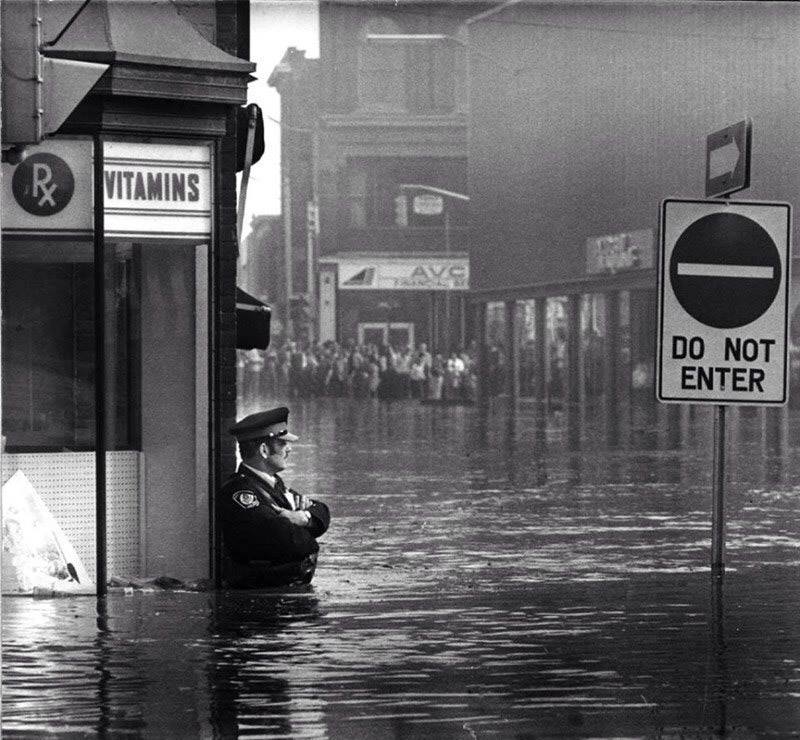
“Канадский офицер охраняет аптеку от разграбления во время наводнения. Канада. 1974 г.”
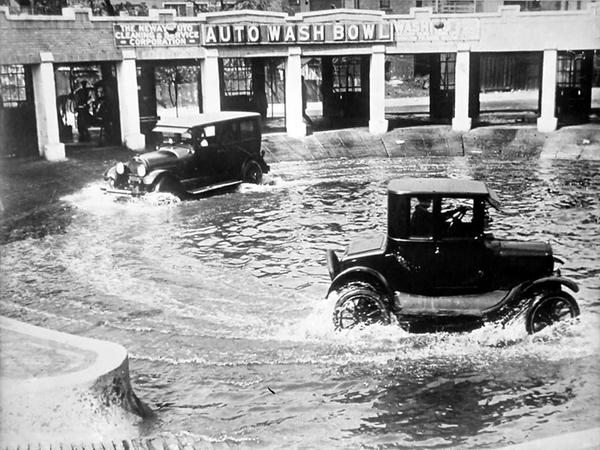
“Так раньше выглядела мойка авто. Чикаго. США. 1924 г.”
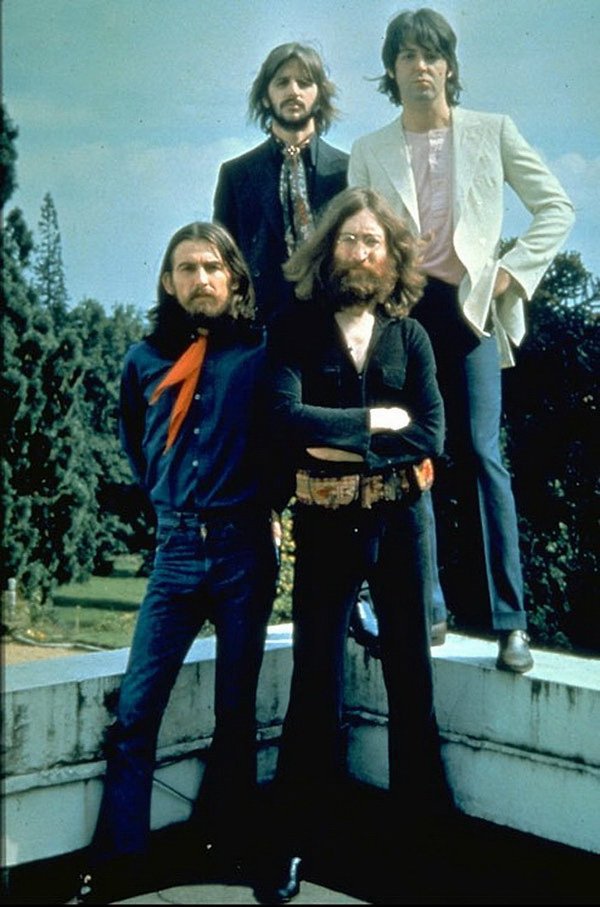
“The Beatles during their final photo session, 1969. Photography by Ethan Russell and Monte Fresco.”
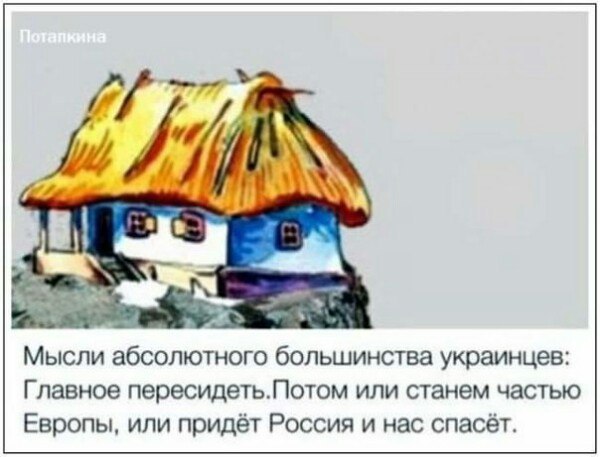 Взято отсюда

Perhaps the worst driving experience of my life happened in 2009 while helping a friend move. She could only afford to rent a rusty van for a single day, so I agreed to make the 14-hour round trip from London to Scotland and back again in one shot. After setting off at 9am, we arrived at 7pm, some four hours behind schedule, thanks to bad traffic. I started the 450-mile home leg at around 9pm, and the entire journey was a battle to stay awake, alert and within the confines of my lane. Plenty of coffee and roadside breaks later, I arrived home at 6am, 21 hours after setting off. It was the most unsafe I've ever felt in a car.
When Tesla offered us the opportunity to test out its semi-autonomous Autopilot feature in the Model S, my thoughts immediately went to Scotland, and that traumatic journey. While I'm never going to trade my VW Golf for a car that expensive, the new Model 3 will arrive at $35,000 with many of the same capabilities. So I saw the opportunity to take an extremely early Model 3 test drive, of sorts. By that, I wanted to know if it could make a cross-country journey on electric power, and see if the Autopilot would have made that long trip to Scotland a little less arduous.

To test this theory, we would drive up to the north of England -- Scotland just wasn't practical given the time constraints we were under. We'd then stretch out the process with some video and photo shoots, before heading home hopefully somewhat exhausted. On the trip back to London, we'd then make use of the autonomous features -- about 90 percent of the journey back could be driven by the Tesla, with limited human oversight.
My colleague Matt Brian picked up the Model S -- a $120,000 P90D, to be precise -- from Hounslow on the outskirts of London. From there we'd travel around the M25 freeway that encircles London before setting off on the M1, the main road heading north. We chose Leeds, a city around four hours away in the north of England, as our final destination. Because the Tesla is electric, though, we'd need a charger to get us there. Or at least back.
 The basic route, as dictated by Tesla's Supercharger network.
The car's GPS said we'd could feasibly get to Leeds on a single charge but, erring on the side of caution, advised us to stop at a Supercharger along the way. We'd also need to take some photos somewhere a little more picturesque than a car park. In the end, we decided on a simple 202-mile, four-hour route, taking us up through the heart of England with two stops on the way to Leeds. There, we'd park at a hotel that had a pair of chargers.
After eating at the hotel and charging the car to 100 percent, we'd begin our return journey. We'd head off just after rush hour, and follow the M1 back home, but rather than returning to Hounslow, we'd finish at the Emirates Stadium in north London. The major difference between the two routes, though, would be Autopilot. Factoring in charging, eating and videography, we thought we'd be back in London by around 10pm.
We reached our first stop in Northampton at 2PM. We'd traveled just 80 miles since meeting three hours prior. Luckily, Superchargers are very swift. Much like phones with a fast-charging feature, it's quick to charge up to 80 percent or so, and then slows down significantly for the final 20 percent. When it's close to empty, though, you can get 60 miles range in under ten minutes, and half an hour gets you 170 miles.
With no local Supercharger, I'm using local electric charging points. I could be a while.
A photo posted by Matt Brian (@mattbrian) on
Tesla's been expanding its Supercharger network rapidly over the past few years, and you can see why. To a Tesla owner, they're the difference between minutes and hours. In the lead up to the Model 3 launch, it's pledging to almost double the number of stations worldwide to 1,200, which will house 7,000 individual chargers. That will go a long way to patching the holes in the current network.
In the US, for example, traveling away from the major conurbations in each corner of the country requires forethought. You'll typically need to stick almost entirely to the major Interstates -- the I-90 that cuts through the north is peppered with Superchargers, as is the I-70 through the center, while the I-40 is covered from Oklahoma City west.
A road trip in a Tesla isn't about driving from point A to point B, it's about getting from Supercharger to Supercharger
The whole "range anxiety" thing is perhaps overstated. The Model S comfortably lasts 200 miles, which is more than enough to cover most people's daily driving. And there are plenty of solutions for overnight charging at home, which would be enough to keep my imaginary Tesla running almost year around. But longer journeys are obviously a different matter. Even if you're on a route that's well covered, it feels like any road trip in a Tesla right now isn't about driving from point A to point B, it's about getting from Supercharger to Supercharger.
We only charged for about 15 minutes in Northampton. Enough that the Tesla said we'd hit Leeds with 25 percent in the metaphorical tank. Setting off north again, we encountered heavy traffic, and also stopped en route at a power station to shoot (most of) the photos you see dotted around this article. Despite that charge stop, though, when we reached Leeds at 5:20PM we had less than ten percent left, and a "battery low" warning on the Tesla's display. Not the best start.
The discrepancy between the prediction and the reality was mostly down to traffic, but just like with a gas-powered car, your driving style with affect your mileage, as will weather conditions -- it was about 50 degrees and very wet for most of the day.
The only things available at the soulless hotel we stopped at in Leeds were a Supercharger and some overcooked burgers. Filled up on both, we set off home at around 7:30PM. We hoped that by giving the car the reins, energy consumption would be reduced. We also prayed we'd have better luck with traffic.

Five minutes after departing, we were on the M1 and ready to try Autopilot. There's a little lever to the left of the steering wheel, and pulling on it once will activate Cruise Control, which behaves as you'd expect, with a few additions. A second pull takes you into full-fledged Autopilot mode.
In Cruise Control, the Model S will watch the adjacent lanes to check for vehicles that might encroach, and read road signs to automatically step the speed up and down if you enter, for example, a 50MPH zone. Once you're in Autopilot, additional sensors come into play, and the car will follow the roads curves, keeping you neatly in your lane. It'll also change lanes for you, if you ask. To do this, you just need to pull the indicator, put both hands on the wheel, and the car will check its surroundings and switch lanes if it's safe. The hands thing was a concession added by Tesla after Model S owners were being a little... irresponsible.
Autonomous lane changes were typically super smooth, although we had a couple of jankier moments at night where it jaunted across lanes either too fast or too slow for my liking. There were also a few occasions where it decided switching wasn't safe, even though there weren't any vehicles around. Tesla seems to be overly cautious here, which is fine, but you really need to be paying attention -- if it backs out of a lane change half-way through it'll sometimes hand you back the wheel.

The biggest issue we ran into with Autopilot was the variable speed limit on the M1. The Model S happily read the myriad speed changes, dropping up and down between 70MPH and 40MPH and everything inbetween. More than once, though, the road returned the UK's highway speed limit -- 70MPH -- without clearly indicating that change with a sign. The Tesla remained at 40MPH, which on a 70MPH road is extremely dangerous. It was another illustration that Autopilot is a driving aid, rather than a full autonomous mode. Treating it otherwise, or not paying attention, would likely leave you less safe than if you were without it.
We ran into similar issues with non-official signage -- the UK sometimes has "suggestions" like "Slow 40," which isn't actually a speed limit, but rather an indication that there's a potential hazard ahead. The Tesla ignored these, which is legal, but not exactly advisable. Luckily, changing the vehicle's designated speed is simple -- a quick toggle up or down will change it in predefined increments -- and anyway, the Cruise Control safely slowed us down when it saw a car in front doing the recommended 40MPH.
When one of us mere humans took the wheel, the ride was noticeably less steady, less controlled
Despite those minor niggles, the semi-autonomous journey home went well. And the Tesla handled some typically British -- i.e. godawful -- weather conditions with aplomb. Driving at 70MPH during a downpour on an unlit stretch of the M1 is not something I would do in my car, but with a computer at the wheel I felt comfortable. On the few occasions when one of us mere humans took the wheel, the ride was noticeably less steady, less controlled. Less safe.
I would like to see Tesla add a little more intelligence to its Autopilot when it comes to wet conditions. As of writing, the Model S can't tell if you're driving in the wet or dry. That's important. When we set off back to London, the weather was fine, and we it set to maintain a distance of three car lengths at all times. An hour later we were caught in a torrential downpour, and that three-car distance felt way too close. While a passenger can safely navigate the Tesla's menus to change this. If you're driving alone, that's not easily done. A simple solution would be to either use sensors or real-time weather info from the web to automatically switch between predetermined dry and wet weather settings.
We ended up stopping again at the Northampton Supercharger for 15 minutes -- our original plan hadn't factored in Matt driving the Model S back to his home, 50 miles out of London. The break gave us a chance to talk about what had and hadn't gone right with the journey so far.

The Model S was definitely keeping us safe. And it was getting us home fast. We both agreed that, if we were driving the car in such inclement conditions, we would have been taking things a little slower. Despite nerves about handing over control to a computer, it was definitely more relaxing driving assisted than solo.
I've said this already, but just to reiterate: I am almost definitely never going to buy a Model S or any car in its $70,000+ price bracket -- there's a reason the phrase "overpaid journalist" is rarely uttered. By 11PM -- the time we reached the Emirates Stadium -- I was enamored with the idea of a Tesla. I don't think the Model S offers the comfort or luxury of the BMWs and Audis I typically lust after. But the Model 3 will fall into the price range of my Golf. And it'll offer all of the Autopilot features, most likely for a small premium. That's a compelling notion.
I don't think I'm willing to dive in and order a Tesla based on a single day's driving. But the intelligence and composure the Model S showed in its autonomous mode was enough to persuade me that Autopilot is definitely a feature I want from my next car. I'm not over-exaggerating when I say the memories of that journey back from Scotland haunt me, and I feel like it would've been easier with Tesla's safety features on board.
Video produced by John Johnston, Matt Brian and Aaron Souppouris.
Взято отсюдаEvery year, the company negotiates an agreement with the Farmers’ Association of Iceland to collect and purchase fleece from sheep farmers all over the country. Some farmers make lopi from the fleece of their own sheep.
Every year, about 1,000 tons of fleece is collected, 730 tons of which is sheared in the fall, while 280 tons is sheared at this time of year, according to Ístex CEO Guðjón Kristinsson.
All the fleece is washed in the company’s cleaning facility in Blönduós, North Iceland. Half of it is quality wool, out of which lopi is made in the Ístex factory in Mosfellsbær, near Reykjavík. The other half is shipped abroad without being processed.
“The situation is such today that we can barely meet demand, and we need more workers,” Guðjón said. He expects to have to import labor to be able to increase lopi production.