В двадцать первом веке людей массово научили разговаривать на странном языке.
Это смесь психотерапии с производственным бизнес-жаргоном.
Звучит этот язык примерно так:
"Я осознал, что в рамках этого проекта я перестал неправильно расходовать энергию, наладил взаимодействие всех процессов и смог по-настоящему самореализоваться. Я повысил эффективность затрачиваемых мной усилий. Но мне нужно развитие, нужна перспектива, и это значит, что время идти дальше, время осваивать новые пространства, где мои скиллы, моя мотивация и мое видение дадут максимальный результат".
И так, повторяю, разговаривают теперь миллионы несчастных мальчиков и девочек.
Чем-то это похоже на советский язык двадцатых-тридцатых, тот самый, где -
"Люся! Дорогой мой товарищ! Пишу тебе сразу после лекции Файнберга о международном положении. Положение тяжелое - империализм наступает, а буржуазия делает все, чтобы задушить огонь пролетарской революции, но своего не добьется. Крепко стоит наша республика Советов! И каждая наша трудовая минута, вся наша решительная борьба против вековой отсталости и эксплуатации приближают победу трудящихся во всем мире".
И можно, наверное, найти свою красоту в этой версии коллективного дурмана, где роль Андрея Платонова - увы - играют Айн Рэнд и многочисленные доктора-шарлатаны, обучающие пациентов "осознанию".
Но почему-то не хочется.
А хочется глупо и страстно закричать:
- Опомнитесь, милые! Вас дурят! Жизнь - это не "проект". И "развития" у нее нет никакого, кроме как в гроб. Не нужно вам никакой "реализации", вы ведь не отдел по торговле смартфонами, а Коля, Катя и Маша. У вас не скиллы с энергиями, а руки, ноги, ресницы, рудиментарный хвост и бессмертная душа!
Но голос мой слаб, а голос корпоративной психотерапии силен, он так же силен, как борьба против отсталости и эксплуатации в свое время.
Никто меня не услышит.
Ольшанский 2017-03-27
2017-04-12 04:12:27Говорят, что причина детсадовской революции, которая произошла вчера в России, - сложная жизнь нынешних недорослей.
Они, мол, страдают от несправедливости, от обид, причиненных им взрослыми, от отсутствия социальных лифтов, которые их не везут, потому что забиты вредными стариками, от того, наконец, что в обществе - как это торжественно и скорбно формулируется - "нет языка", чтобы говорить со своими детьми. Вот они и восстали.
Очень странно.
Тот мир, где живу я, - это мир тоталитарной, давящей подростковости и молодежности.
Можно зайти в любой офис, редакцию, банк, кафе, салон связи, кино, - и везде никому, ну, почти никому нет даже тридцати лет.
Времена, когда на свете существовали немолодые журналисты, немолодые официанты, немолодые секретарши, немолодые клерки, немолодые посетители кинематографа, - канул и забыт.
И даже на улице - на любых Чистых прудах, Патриарших прудах, назовите то место, какое хотите, - если смотреть на черно-белые фото древних годов, то мы видим гуляющих стариков, мы видим солидных дядек с газетами на скамейках, мы видим теток. Кого угодно мы видим.
А теперь там одни подростки - толпами, стаями, тучами.
И как можно слушать вранье про нехватку каких-то лифтов для молодых, когда в реальности у нас есть прямо противоположная проблема - беспощадный эйджизм и невозможность устроиться на работу для тех, кому больше известных лет, и кто при этом - не суперзвезда.
И как можно слушать вранье про отсутствие языка для разговора с детьми, когда вся ныне действующая цивилизация даже не то что говорит - она вопит, кривляется и пляшет в расчете на одобрение этих самых детей, и все бесконечные телефоны, планшеты, соцсети, игры, фильмы, спорт, туризм, реклама, - ну буквально все в нашем мире ориентировано на дебилов, то есть, простите, на активную, динамичную и позитивно настроенную молодежь.
Так что я бы объяснил детсадовскую революцию совсем не сложностью молодой жизни.
Наоборот, за последние пятнадцать-семнадцать лет - впервые с шестидесятых - в России выросли благополучные, балованные, счастливые поколения.
Поколения без Афганистана и Чечни, без Горбачева и Ельцина, без хаоса и ада.
Зато с телефоном, планшетом, вконтактом и ощущением себя в центре вселенной.
А это значит, что этим поколениям хочется - как в известном мультике - сказать:
- Маловато будет! Ма-ло-ва-то!
Поэтому и бунтуют.
Ногами топают, кидаются куклами.
И хочется им позавидовать.
Хорошая у них жизнь - там, в детском саду.
Ольшанский 2017-03-23
2017-04-12 04:11:30Молодость, сила, красота и здоровье - обожают прикидываться несчастьем.
Они, тревожно втянув плечи и опустив голову, гуляют по какому-нибудь приятному осеннему парку и хорошо поставленным грустным голосом сообщают:
- У меня все очень плохо.
- Что же дальше? Ничего.
- Я в тупике.
- Я в отчаянии.
- Все ужасно.
Не верьте.
И самим себе не верьте, когда вы сами, втянув плечи и опустив голову, бормочете что-то подобное.
Глупое, зато трагическое.
Когда все действительно плохо - это выглядит совсем не так, ох не так.
И начинается это самое "плохо" с того, что вам уже не приходится никому о нем сообщать.
Ваши дела - вместо вас - теперь обсуждают другие люди.
Climate change could make future flights a lot rougher
2017-04-07 15:32:27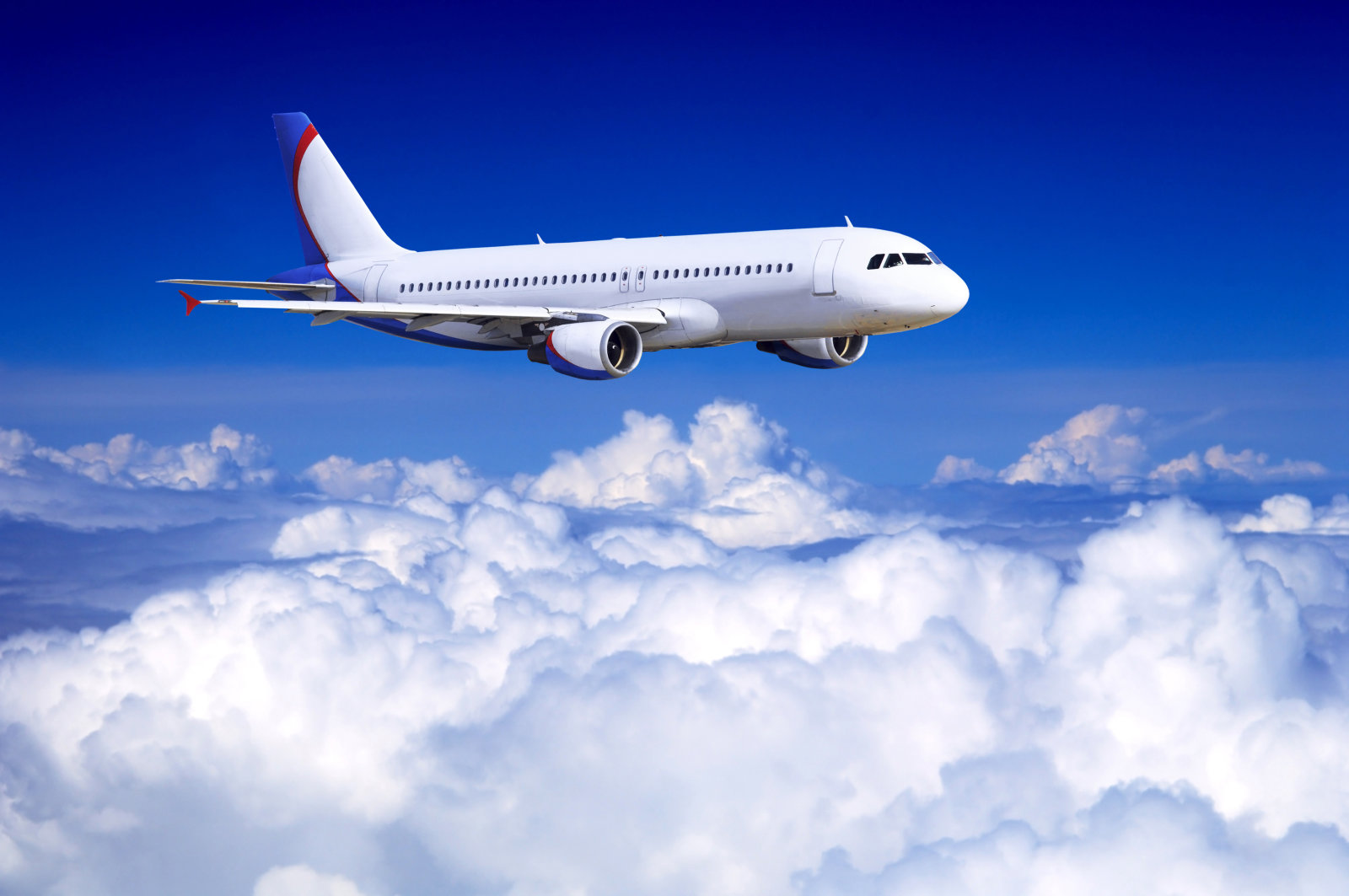
Airplane rides could get extra bumpy in the future thanks to climate change. Turbulence could become two to three times more common because of it, according to a new study from the University of Reading.
The study, published in Advances in Atmospheric Sciences, is the first to investigate turbulence strength levels and how they'll change in the future. Researchers found the average amount of light turbulence in the atmosphere will increase by 59 percent. Moderate turbulence will go up 94 percent, while severe turbulence will rise by 149 percent. The reason? Scientists believe higher carbon dioxide levels will create stronger vertical wind shears at aircraft cruising altitudes, which will make the shear instabilities that create clear-air turbulence more prevalent. CO2 levels are expected to double later this century.
"For most passengers, light turbulence is nothing more than an annoying inconvenience that reduces their comfort levels, but for nervous fliers even light turbulence can be distressing," said the study's author, Dr. Paul Williams, in a press release. "However, even the most seasoned frequent fliers may be alarmed at the prospect of a 149 percent increase in severe turbulence, which frequently hospitalizes air travelers and flight attendants around the world."
Dr. Williams added that his top priority now is to investigate alternate flight routes. "We also need to investigate the altitude and seasonal dependence of the changes, and to analyze different climate models and warming scenarios to quantify the uncertainties," he said. But, Williams isn't the only one tackling this problem. IBM, which bought The Weather Company for $2 billion, recently teamed up with Gogo Inc. to give pilots a heads up when turbulence happens, so they can adjust their flight paths accordingly.
Via: EurekAlert
Source: Advances in Atmospheric Sciences
Взято отсюдаВыполняя взятые на себя международные обязательства...
2017-04-06 20:00:14
Сколько раз я замечал, с каким удовольствием и чуть ли не оргазмом россиянские говорящие головы произносят эту формулу: "Выполняя взятые на себя международные обязательства...". Этого не передать. Тут и чеканная строгость, и детская радость, и скупая слеза "ветеранов" невидимого фронта, и еще куча чувств. Приглядитесь. Как произносят это дикторы, министры, депутаты, равноудаленные олигархи, да и сам резидент РФ. Это же просто религиозная мантра!
Нет на свете ничего важнее, ничего ламповее и прекрасней, чем РесФед, выполняющий свои "международные обязательства", которые он (зачем?) взял на себя... Это повторяется раз от раза. И Минские соглашения, и вторжение в Сирию, и передача территорий Норвегии, Азербайджану и Китаю, и выплата всех долгов, и... масса всего. Всегда с радостью и тихой грустью: "выполняя взятые на себя международные обязательства...".
На днях Ресурсная Федерация, в издевку сделанная "наследником СССР" (почему? вспоминаем формулировку), гордо отчиталась о выплате последней (или одной из них) части советского долга. Это 125 миллионов долларов, которые будут переданы Боснии и Герцеговине из долга бывшей Югославии. Вообще, евразы не совсем понимают, почему я в своем блоге делаю такой упор на международные договоры РФ и ситуацию вокруг Крыма. Всем кажется, что показанная по телевизору "церемония приема" Крыма в Ресурсную Федерацию - это типа "тугумент". Нет, дорогие. Тугумент - это договоры с Украиной о признании Крыма украинским. Это п.4. Ст.15 Конституции РФ о примате международных договоров над федеральным законодательством. Тугумент - это вообще формальная линия поведения кремлядей. Как ни странно.
Ведь на самом деле, в Москвабаде сидят не геополитические гопники. А скучные колониальные менеджеры, которые делают то, что им велят, и не делают того, что им не велят. Причем от А и до Я, из-за чего внешне их действия производят удручающее (иногда) впечатление. Но это уже объективные недостатки, знаете ли. Сегодня человек рассказывает про "российский Крым", затем с тем же выражением лица упоминает о невозможности российских госкомпаний и госбанков в нем работать ("мы боимся санкций") и заявляет о необходимости претворить в жизнь Минские соглашения, дабы передать Донбасс Украине. С точки зрения обычного человека - это очень тяжелая шизофрения, которую не оправдать никаким "хитрым планом". Да и кусок Донбасса, который есть у ЛДНР, никак не тянет на равноценный обмен Крыму.
При этом международные договоры Москвабад соблюдает (как минимум, формально) со стоической и такой же формальной отрешенностью робота. Так было в скандале вокруг острова Тузла в 2003 году, когда одного окрика из Киева хватило, чтобы "армянский" МИД заткнулся навсегда, так и обстоит с выплатой советских долгов. Например, СССР задолжал Югославии 1,5 млрд "клиринговых" долларов (1 такой доллар приравнен к 0,68 американского доллара), а та ему около 200 с копейками миллионов.
После развала Югославии у этого государства не оказалось одного правопреемника. В 2003 году развалилось "союзное государство Югославия", состоявшее из Сербии и Черногории (трафарет новейшего времени по-германски: слабоумные славяне не способны жить в крупных государствах). Что делает армянский МИД РФ? Правильно, инициирует переговоры о заключении Соглашения об... урегулировании долга исчезнувшей Югославии! Хотя казалось бы - сдох кредитор, и отлично. Платить не надо. Но нет. Москвабад принципиален. РФ - чтобы выплатить деньги, подтверждает балканскую формулировку (а зачем?):
Государствами-правопреемниками бывшей Югославии являются пять республик - Босния и Герцеговина, Македония, Сербия и Черногория, Словения и Хорватия.
Формально, конечно, платить после такого надо было. Ибо еще в 1992 году РФ признала все бывшие республики Югославии ее правопреемниками (правда, до 2003 года долг бывшей Югославии не возвращала). Ну, а раз признали, то потом и заплатили:
В 2003 году было подписано соглашение об урегулировании задолженности на 806 млн долларов. Эта сумма была распределена между всеми республиками бывшей Югославии. Сербия и Черногория получили 38% долга, Хорватия – 23%, Словения – 16%, Босния и Герцеговина – 15,5%, Македония – 7,5%.
Отсюда и проистекает "стратегия" партии "Единая Украина №1" в Киеве и Москве: спокойно сидеть и ждать, когда в Москвабаде сменится CMS и "великая евразийская держава" снова - как в 1917 или 1991 году, начнет облизывать мусорки и "выполнять взятые на себя международные обязательства"... Взято отсюда
Нет на свете ничего важнее, ничего ламповее и прекрасней, чем РесФед, выполняющий свои "международные обязательства", которые он (зачем?) взял на себя... Это повторяется раз от раза. И Минские соглашения, и вторжение в Сирию, и передача территорий Норвегии, Азербайджану и Китаю, и выплата всех долгов, и... масса всего. Всегда с радостью и тихой грустью: "выполняя взятые на себя международные обязательства...".
На днях Ресурсная Федерация, в издевку сделанная "наследником СССР" (почему? вспоминаем формулировку), гордо отчиталась о выплате последней (или одной из них) части советского долга. Это 125 миллионов долларов, которые будут переданы Боснии и Герцеговине из долга бывшей Югославии. Вообще, евразы не совсем понимают, почему я в своем блоге делаю такой упор на международные договоры РФ и ситуацию вокруг Крыма. Всем кажется, что показанная по телевизору "церемония приема" Крыма в Ресурсную Федерацию - это типа "тугумент". Нет, дорогие. Тугумент - это договоры с Украиной о признании Крыма украинским. Это п.4. Ст.15 Конституции РФ о примате международных договоров над федеральным законодательством. Тугумент - это вообще формальная линия поведения кремлядей. Как ни странно.
Ведь на самом деле, в Москвабаде сидят не геополитические гопники. А скучные колониальные менеджеры, которые делают то, что им велят, и не делают того, что им не велят. Причем от А и до Я, из-за чего внешне их действия производят удручающее (иногда) впечатление. Но это уже объективные недостатки, знаете ли. Сегодня человек рассказывает про "российский Крым", затем с тем же выражением лица упоминает о невозможности российских госкомпаний и госбанков в нем работать ("мы боимся санкций") и заявляет о необходимости претворить в жизнь Минские соглашения, дабы передать Донбасс Украине. С точки зрения обычного человека - это очень тяжелая шизофрения, которую не оправдать никаким "хитрым планом". Да и кусок Донбасса, который есть у ЛДНР, никак не тянет на равноценный обмен Крыму.
При этом международные договоры Москвабад соблюдает (как минимум, формально) со стоической и такой же формальной отрешенностью робота. Так было в скандале вокруг острова Тузла в 2003 году, когда одного окрика из Киева хватило, чтобы "армянский" МИД заткнулся навсегда, так и обстоит с выплатой советских долгов. Например, СССР задолжал Югославии 1,5 млрд "клиринговых" долларов (1 такой доллар приравнен к 0,68 американского доллара), а та ему около 200 с копейками миллионов.
После развала Югославии у этого государства не оказалось одного правопреемника. В 2003 году развалилось "союзное государство Югославия", состоявшее из Сербии и Черногории (трафарет новейшего времени по-германски: слабоумные славяне не способны жить в крупных государствах). Что делает армянский МИД РФ? Правильно, инициирует переговоры о заключении Соглашения об... урегулировании долга исчезнувшей Югославии! Хотя казалось бы - сдох кредитор, и отлично. Платить не надо. Но нет. Москвабад принципиален. РФ - чтобы выплатить деньги, подтверждает балканскую формулировку (а зачем?):
Государствами-правопреемниками бывшей Югославии являются пять республик - Босния и Герцеговина, Македония, Сербия и Черногория, Словения и Хорватия.
Формально, конечно, платить после такого надо было. Ибо еще в 1992 году РФ признала все бывшие республики Югославии ее правопреемниками (правда, до 2003 года долг бывшей Югославии не возвращала). Ну, а раз признали, то потом и заплатили:
В 2003 году было подписано соглашение об урегулировании задолженности на 806 млн долларов. Эта сумма была распределена между всеми республиками бывшей Югославии. Сербия и Черногория получили 38% долга, Хорватия – 23%, Словения – 16%, Босния и Герцеговина – 15,5%, Македония – 7,5%.
Россия уже погасила долг перед большинством югославских республик. Так, в 2010 году Россия оплатила долг Словении на 129,2 млн долларов – часть товарами, часть деньгами. В 2011 году заплатила Хорватии 185,7 млн долларов. Причем расплатились высокотехнологичной продукцией, в том числе энергетическим оборудованием для ТЭС «Сисак-«С». В 2013 году Россия погасила долг СССР перед Сербией на 288,8 млн долларов и перед Черногорией на 18 млн долларов.
Но повторю - в реальности Москвабад мог упереться рогом и сказать, что "не помню". И все. И никто бы не обиделся, все понимают - славянские подонки развалили общее государство, как и с кого теперь требовать долги перед ним? Мало ли что они себе там навыдумывали про "правопреемство". В конце-концов, до 2003 года Москвабад сидел на пятой точке ровно и не горел желанием "расплатиться" с какой-нибудь паршивой Македонией или Боснией.Отсюда и проистекает "стратегия" партии "Единая Украина №1" в Киеве и Москве: спокойно сидеть и ждать, когда в Москвабаде сменится CMS и "великая евразийская держава" снова - как в 1917 или 1991 году, начнет облизывать мусорки и "выполнять взятые на себя международные обязательства"... Взято отсюда
Amazon takes on supermarkets with drive-through grocery pickup
2017-04-04 18:34:57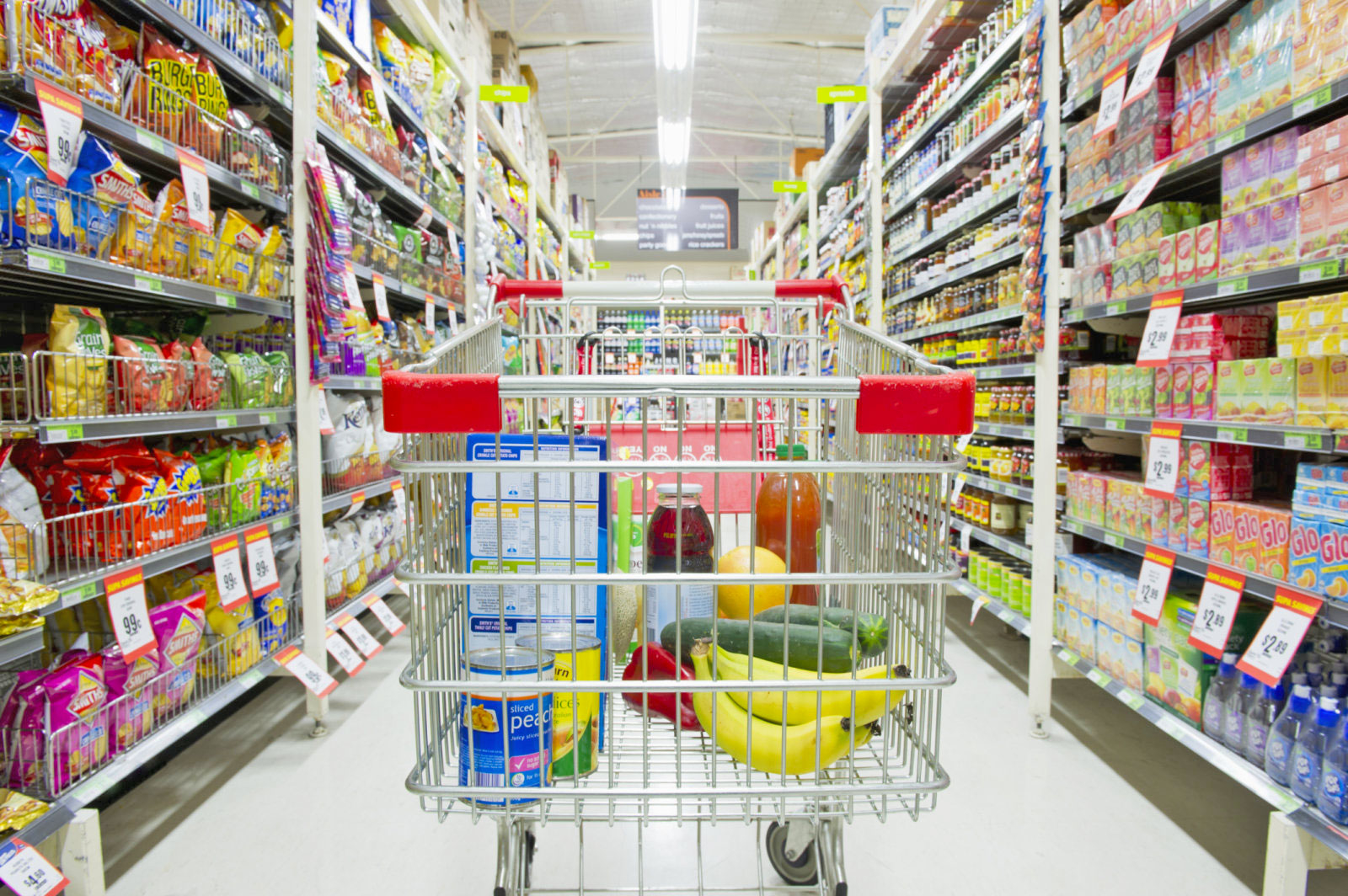
Over the last couple of decades, Amazon has slowly conquered the online retail space. The Seattle-based e-commerce company has made it possible to purchase any thing from books to live ladybugs within seconds. But the site hasn't seen the same success with groceries. With AmazonFresh, a monthly subscription for pantry items, the one-click convenience became available for food but consumers continue to stay skeptical of purchasing fruits and veggies online. Now, the company has launched AmazonFresh Pickup, essentially a drive-through, so shoppers can grab their groceries in-person but they never have to leave their car.
You can order the items online, pick a time to drive up to an AmazonFresh location, and an Amazon employee will bring the groceries to your car when you get there. The service, which requires a Prime membership, is limited to two outlets in Seattle for now.
The Pickup locations are indicative of the company's online efforts to make a mark on the booming supermarket industry, which it had struggled to make a dent in with AmazonFresh alone. The company's overall goals are also not restricted to the digital space. Amazon has been inching forward toward building brick-and-mortar stores across the U.S. According to a recent New York Times report, Amazon's ambition to take on the retail market is now starting to take physical form. In addition to groceries, the company is starting to think about stores for home appliances and furniture, too.
Взято отсюдаUber plans to ditch Denmark over new taxi laws
2017-04-04 18:34:05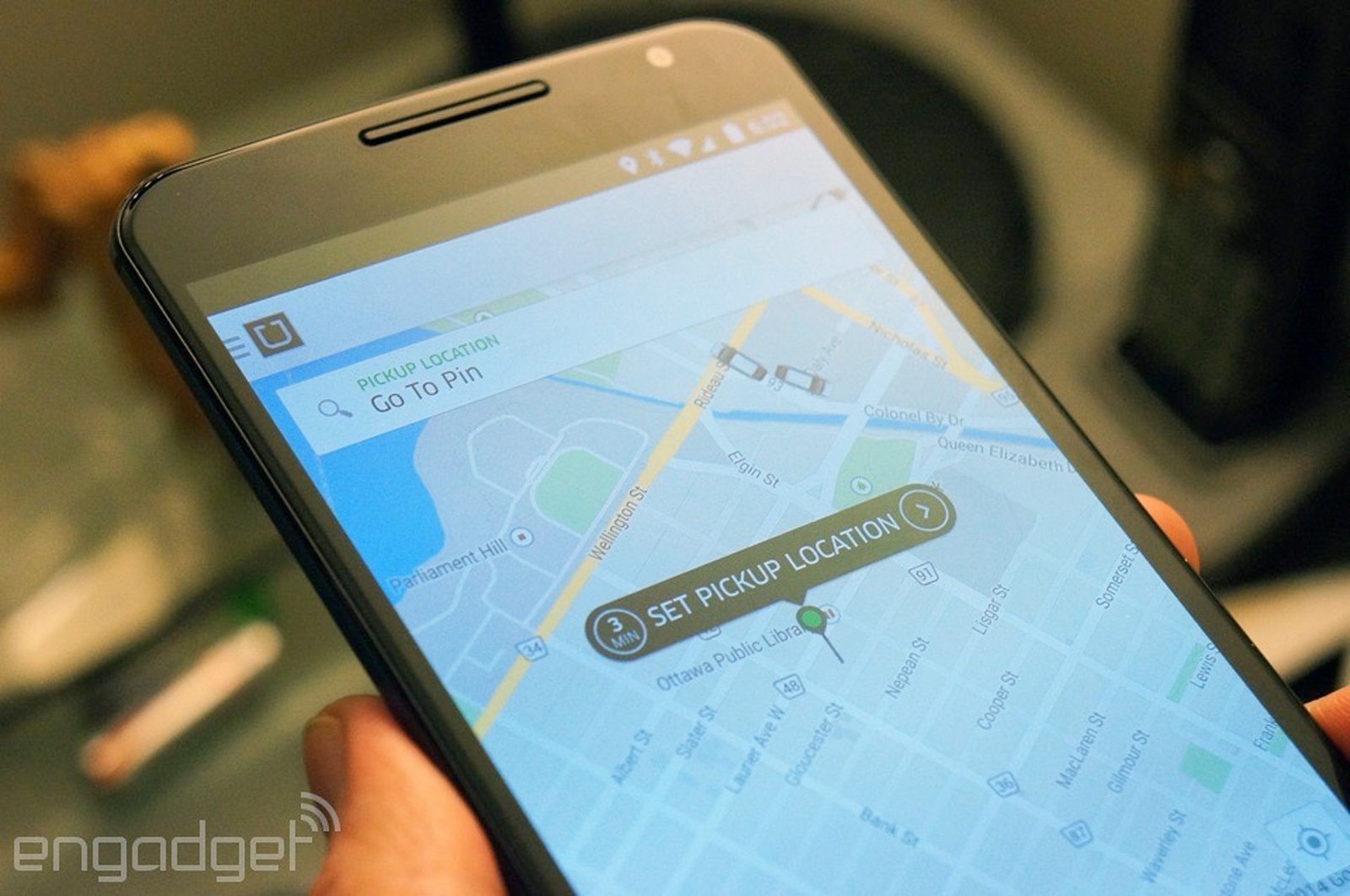
Uber likes to think of itself as an enabler of small business, a connector of independent contractors with people who need a ride. Unfortunately for the San Francisco-based company, many places around the world disagree. The company's latest setback is in Denmark, where a new set of laws will require taxi cabs to have seat occupancy sensors and fare meters. Uber confirmed with The Guardian that it will not be able to operate unless the regulations are changed.
Threatening to leave an area when regulations tighten up isn't an uncommon response from the ride-sharing company, and it's one that they must repeat. If Uber complies with laws that apply to taxis, then it is admitting that it's both a cab-like service as well as an employer. That could seriously restrict its free-wheeling approach to disrupting the transportation industry.
Danish taxi driver unions and cab operators have argued in European courts that Uber doesn't comply with legal standards set for taxi firms and that the service it enables is unfair competition. Uber doesn't just face legal challenges, either, as it deals with several public relations issues related to shady executive behavior and evasion of authority.
Uber promises to "continue to work with the government" in Denmark to keep its services running as the regulations go into effect next month.
Source: The Guardian
Взято отсюдаUS House votes to let ISPs sell your browser history
2017-04-04 18:32:37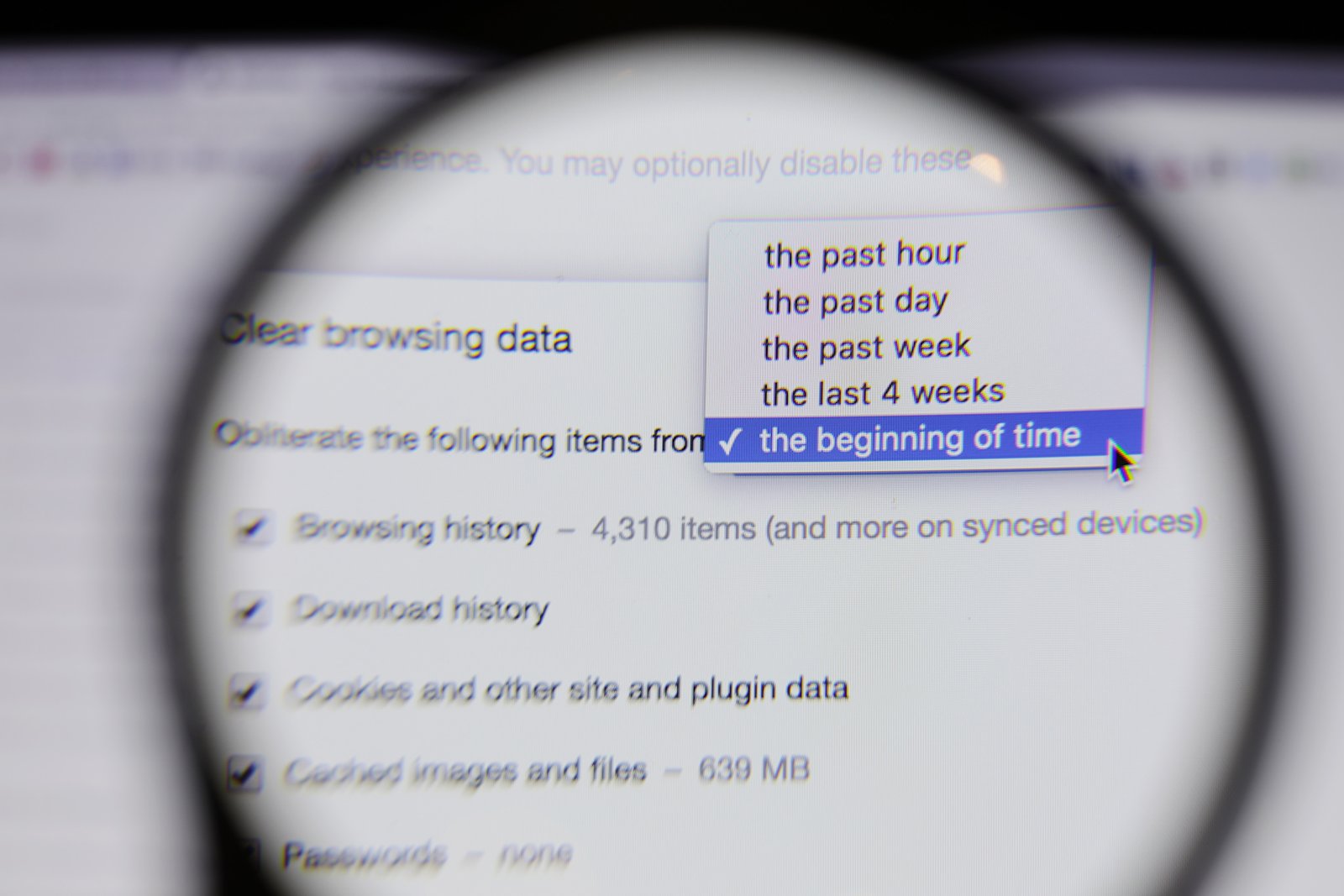
With a slim majority of 215 to 205, the US House of Representatives just passed a resolution rolling back FCC privacy regulations. Approved last year, the rules required that ISPs get your explicit permission before selling "sensitive data" like your browsing history. The resolution already passed the Senate last week, and now will go before the President, who has said he plans to sign it.
The Electronic Frontier Foundation responded to today's vote with a statement that "If the bill is signed into law, companies like Cox, Comcast, Time Warner, AT&T, and Verizon will have free rein to hijack your searches, sell your data, and hammer you with unwanted advertisements. Worst yet, consumers will now have to pay a privacy tax by relying on VPNs to safeguard their information."
New FCC Chairman Ajit Pai is in support of rolling back the rules, claiming that "the FCC will work with the FTC to ensure that consumers' online privacy is protected through a consistent and comprehensive framework." Once this is signed by the president, it will be up to them just how creepy internet service providers can get.
On the industry side, service providers also make that argument, claiming the privacy rules would've overreached and singled out internet service providers while allowing others like Google and Facebook to sell information. That doesn't, however, take into account how much data our ISP has access to, with the ability to know where you are, who you communicate with and what you say online potentially all up for sale. Also, many customers don't have more than one or two choices for broadband, reducing the possibility for privacy-friendly competition.
Source: US House results for S J Res 34
Взято отсюдаInvasive, self-destructing iOS hack is even worse on Android
2017-04-04 15:30:32
Security researchers from Google and Lookout are warning Android users about "one of the most sophisticated and targeted mobile attacks we've seen in the wild." Called Chrysaor, it's the sibling of Pegasus, a zero-day iOS exploit that was used to spy on a United Arab Emirates human rights activist. Once installed, attackers are able to spy on calls, texts, and emails, microphone, camera, keylogging, GPS and other user data.
In other words, this is not a hacking tool that was coded by "script kiddy" amateurs. Lookout believes it was developed for government surveillance use by NSO Group, a "cyber war" organization located in Israel that charges over $1 million to infect a phone with malware. (For more on what it can do, see Lookout's paper here.)
There's a big difference between the Android and iOS versions, too. The iOS malware was designed to jailbreak the target device using three known zero-day vulnerabilities and then install malicious software. If the root failed, the attack failed, and back in August, Apple patched those three holes, effectively rendering Pegasus useless.
On Android devices, however, if Chrysaor can't root a device, it uses a failsafe to request permissions that still allow it to steal your data. "This means Pegasus for Android is easier to deploy on devices and has the ability to move laterally if the first attempt to hijack the device fails," Lookout Security VP Mike Murray wrote.
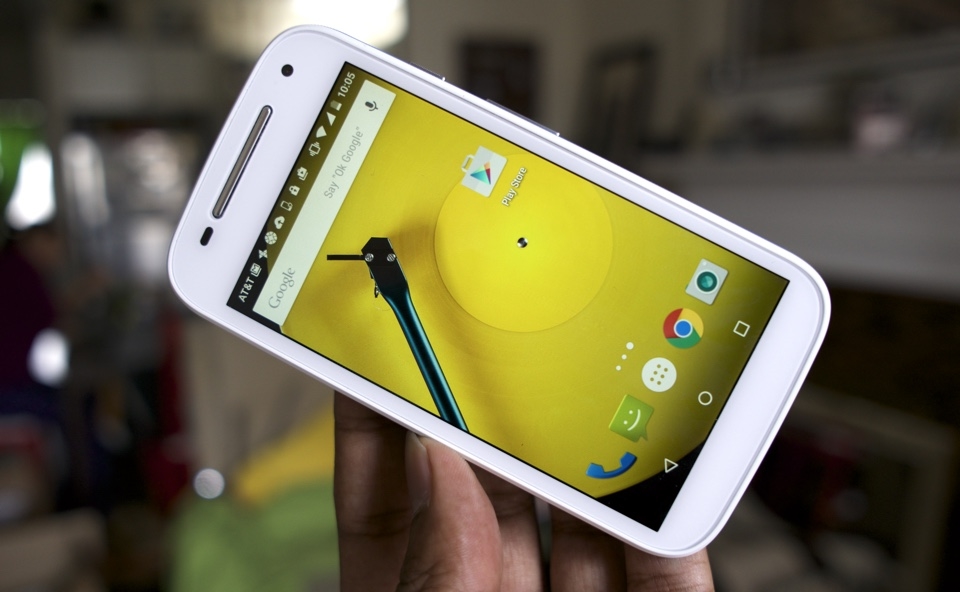
Furthermore, the device is designed to uninstall itself if there's any chance it will be spotted, presumably to let the malware purveyors use it with other clients. "Pegasus for Adroid will remove itself from the phone if the SIM MCC ID is invald, an 'antidote' file exists, it has not been able to check in with the servers after 60 days, or it receives a command from the server to remove itself," Lookout says.
Lookout contacted the Android team after it spotted signs of the Android threat thanks to the work it did on Pegasus for iOS. In total, Google says that "a few dozen Android devices" may have been affected -- mostly in hotspots or war zones like Israel, Georgia, Mexico, Turkey, UAE and Ukraine.
While Chrysaor is not widespread, it represents the bleeding edge of smartphone malware, and Android users are more vulnerable than folks on iOS. Google says its latest security releases should help stop it, and adds that "no Chrysaor apps were on Google Play." As such, it advises Android users to avoid installing apps from sites they don't know.
Source: Android Developers Blog, Lookout Blog
Взято отсюдаApple is sorry about the Mac Pro, vows to relaunch it in 2018
2017-04-04 14:20:24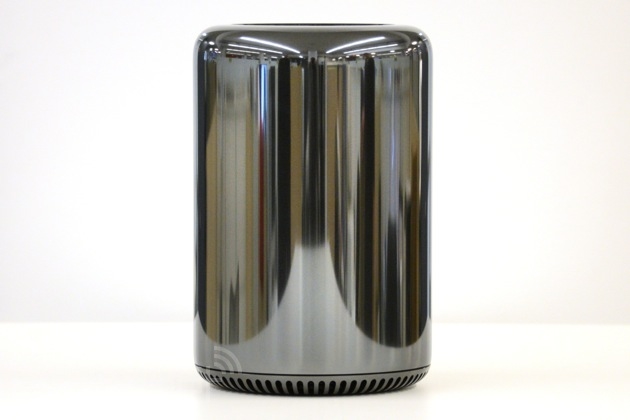
The last new Mac Pro was announced back in 2013, and not much has changed much since. The iconic shiny objet proved a difficult fit for its pro users, and as a consequence Apple is apparently fundamentally rethinking its top-end computer series and everything that comes with it. According to a roundtable the company held with reporters earlier this week, Phil Schiller, Apple's SVP of worldwide marketing added that since its new Pro will be a far more modular system, you can also expect a new Pro display to land alongside it. However, it told Buzzfeed that "You won't see any of these products this year." That's because Apple's engineering team is apparently still working to design a system that can easily and efficiently be upgraded -- the biggest issue many had with the current Mac Pro.
We'll note that the Pro devices are a smaller part of Apple's computer pie: Schiller noted that desktop make up just 20 percent of the Macs it ships -- and its Mac sales were up in 2016, compared to the still-shrinking Windows PC market. Apple said that its Mac Pro owners are a "single-digit percentage."
Regarding the existing model, "We designed ourselves into a bit of a corner," said Craig Federighi, Apple's SVP of Software Engineering. The Pro had a triangular heat-sink system that didn't lend itself well to pro-level upgrades. The company was also taking the chance to reiterate that its Mac series remains very important to it. Schiller, talking to Techcrunch: "The Mac has an important, long future at Apple... and if we've had a pause in upgrades and updates on that, we're sorry for that — what happened with the Mac Pro, and we're going to come out with something great to replace it."
"We've asked the team to go and re-architect and design something great for the future that those Mac Pro customers who want more expandability, more upgradability in the future', added Schiller, according to Daring Fireball.
The existing Mac Pro isn't going anywhere just yet — Apple just announced a performance bump for it, one that will make the computers "faster and better for their dollar." It's shaved a thousand bucks off its 6-core Intel Xeon processor, dual AMD FirePro D500 GFX rig (now $2,999), while introducing a new $3,999 rig with an 8-core processor and dual FirePro D700 graphics. Anyone waiting for more than a bump is going to have to wait until 2018.
Source: Buzzfeed, Techcrunch, Daring Fireball
Взято отсюда