State budget returns will be 500 million DKK next year, national debt will decrease by more than a billion, health services receive unprecedented supplementary funding and subsidies from Denmark now account for only 6 per cent of public income.
These were the highlights of Minister of Finance Kristina Háfoss’ presentation on the National Budget Framework for 2020-2024.
Surplus growth from 500 to 700 million DKK
The coalition government is planning for a budget surplus increase from 500 to 700 million DKK in the next five years. This is a surplus of
approximately 2.5% to 3.5% of GDP. At the same time, public investments
of around 4-500 million DKK a year will be carried out.
The sizeable surplus and investments will be achieved by a cautious fiscal policy, including a careful growth in public expenditure and a growing income, making the most of the current boom in the economy.
Careful expenditure and welfare investments
Increase in public expenditure in 2020 will be 3.5 per cent. This should be considered a moderate growth in expenses, taking into account factors that put pressure on public expenditure, such as wage drift and a
growing and aging population. In comparison, municipal expenditure for 2018 and 2019 is around 5 per cent.
Income growth and self-sufficient economy
State income growth is now at 5 per cent and a conservative estimation for 2020 is 2.9 per cent.
Overall progress in Faroese society has brought an increase in public
income during the last few years. Since the current government was formed in 2015, state income has increased by almost 1.3 billion DKK – Danish subsidies are unchanged and account only 0.64 billion DKK. As mentioned the planned surplus for next year is 0.5 billion DKK. At the same time, the Danish subsidies today account for only 6% of the overall
public income. The Faroese economy has probably never been more self-sufficient and independent than now.
Municipal income and income for public social funds have also seen large increases during the last few years. Overall, public income, including state, municipalities and social funds, have increased by approximately 1.8 billion DKK since 2015 – in spite of tax reliefs given
by both state and municipalities.
Billion kroner debt decrease
Since this government was formed in 2015, there has been a large budget surplus each year. The surplus from 2016 to 2019 is approximately
1.4 billion DKK altogether. Year on year budget surplus leads to better
state liquidity, which makes possible a reduction in government debt in
2019. According to the government’s plan, the government gross debt, via National Treasury Bonds, will be approximately 17% of GDP in 2019.
The government plans to have reduced debt by 1.7 billion in the current election window.
More solidarity and more self-sufficiency
The Minister of Finance points out, that when the current government was formed, large reforms had to be carried out in the fisheries, in the
pension system, in the health sector and in education and culture.
The government has made unprecedented strides towards improving the fishery and aquaculture industries, as well as the pension system and taxing.
Through careful and sustainable fiscal policy, the government has ensured a more equal distribution of wealth, increased productivity and brought about more self-sufficiency in the economy as a whole.
This article was originally published on government.fo
В 2004 по инициативе общественности было решено превратить непривлекательную внешнюю сторону парковки центральной общественной библиотеки в "книжную полку". Проект назвали "The Community Bookshelf" и 22 книги для этого проекта были выбраны из списка, предложенного жителями Канзас–Сити, пользователями библиотекой. Список книг:
"История Канзас–Сити" Часть I и II Джозеф Хеллер "Уловка–22" Рейчел Карсон "Безмолвная весна" Уилла Кэсер "О, пионеры!" Габриэль Гарсия Маркес "Сто лет одиночества" Зора Херстон "Их глаза видели Бога" Платон "Государство" Марк Твен "Приключения Гекльберри Финна" Лао–цзы "Дао дэ цзин" Джеймс Хьюз, Сборник стихотворений Джон Нейхардт "Говорит Черный Лось" Ральф Эллисон "Человек–невидимка" Харпер Ли "Убить пересмешника" Хроники экспедиций Мериуэзера Льюиса и Уильяма Кларка Стивен Эмброуз "Неустрашимое мужество" Дж. Р. Р. Толкин "Властелин колец" Чарльз Диккенс "Повесть о двух городах" Элвин Уайт "Паутина Шарлотты" Уильям Шекспир "Ромео и Джульетта" Дэвид Маккалоу "Трумэн" Сборник детских произведений (Маргарет Браун "Спокойной ночи, луна", Крокетт Джонсон "Гарольд и фиолетовый карандаш", Алан Милн "Винни–Пух", Доктор Сьюз "Зеленые яйца и ветчина", Джордж Вайс и Боб Тиэл "Какой чудесный мир", Лоры Уайлдер "Маленький домик в прериях", Лаймен Фрэнк Баум "Удивительный волшебник из страны Оз", Вирджиния Гамильтон "М.С. Хиггинс Великий")
- Я поняла, что, вы хотите запретить показывать жизнь людей СССР народу Ух-Ух. Но вы должны действовать по каким-то побуждениям, продиктованным вашим видением мира, системой взглядов. Мы, советские, не увидели в вашей примитивной пропаганде никаких глубоких забот о существовании вашего общества и людей. Сохранение существующей структуры нужно только горстке правителей.
Владыка впервые потерял самообладание:
- Хватит! Не хочу! Ничего об СССР! Ненавижу проклятый СССР, территорию безграничного страдания моих предков! - Ваших предков? - Да-да, моих, как и ваших! Это тайна и ее разглашение карается смертью! - Почему? - Чтобы не возникало мечты о прошлом. Человек не должен знать о прошлом, искать в нем силу, это дает ему убеждения и идеи,несовместимые с подчинением власти. Историю надо срезать от корня и начинать с момента, когда корни общечеловечения привились народу Ух-Ух.
Взято отсюда
Два юных китайца, проживающих в Орегоне по студентским визам, выдурили у Apple сотни тысяч долларов, провернув замысловатую схему. Расследование федералов (конкретно - спецагента Томаса Даффи) можно почитать тут, это почти детектив. Если вкратце: они брали айфоны-подделки и сдавали их Apple "на ремонт". Если товары той починить не удавалось, иногда им назад присылали замену. Купить подделку (к тому же, нерабочую) стоило $30. Присланный взамен iPhone стоил в среднем $600.
Китайцы Яньянь Чжоу и Цюянь Цзян тысячами покупали подделки в Китае, перевозили в США (где, видимо, правила замены лояльнее?), и сдавали по разным адресам в ремонт Apple, заявляя, что их айфоны отказывают включаться.
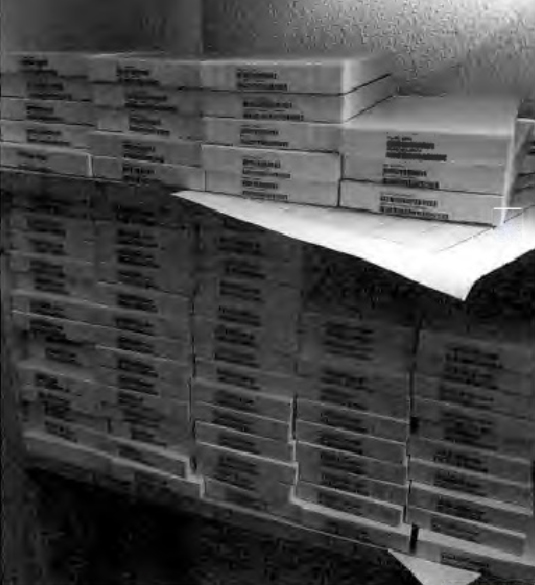
Ящики с новыми iPhone, которые Apple пересылала по адресу Чжоу (из материалов расследования)
Как объясняет Томас Даффи, агент нац. безопасности США, сотрудники Apple Store редко проверяли, не являются ли эти айфоны подделкой. Они быстро выясняли, что, действительно, девайсы не работают, и просто подавали в офис прошение об их замене. Чжоу и Цзян настаивали, что продукты всё еще подлежат гарантии, и Apple даже не запрашивала у них подтверждения покупки.
Цзян подал 3069 требований отремонтировать его iPhone по гарантии, и Apple, извиняясь, что не может починить девайс, отправила ему (и его друзьям, по разным адресам в США) 1493 новеньких айфона. Далее эти смартфоны пересылались в Китай на адреса родственников и подельников, и продавались на онлайн-площадках или через соцсети. Сообщники передавали часть денег с продаж маме Цзяна, а та клала их на счет сына, который он использовал в США.
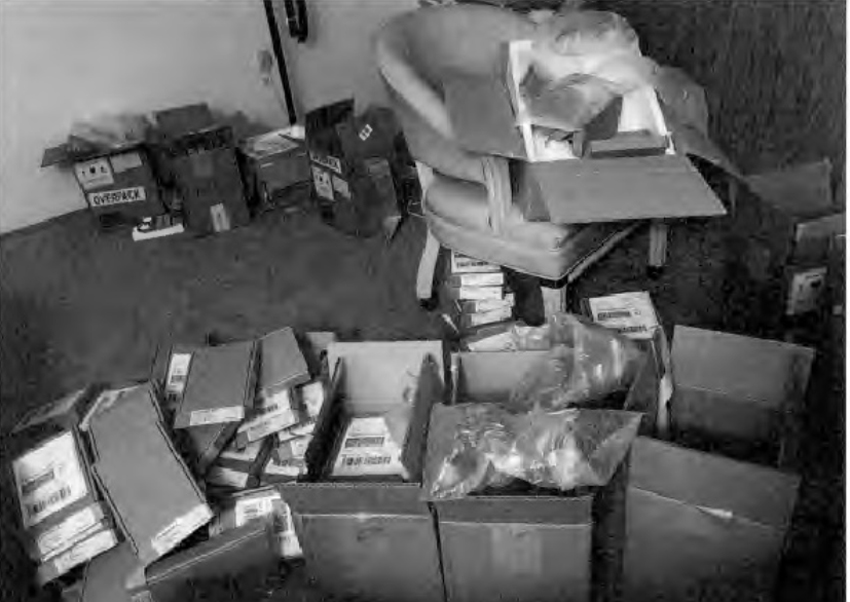
Еще посылки от Apple на квартире Чжоу
За полтора года "работы" студентов, Apple потеряла около $895 800. В июне и июле 2017-го компания направляла по американскому адресу парней письма с приказами о запрещении продолжения противоправных действий, сообщая, что она знает об использовании контрафакта. Но в то же время другие её отделения продолжали исправно присылать новые iPhone на замену "испорченных".
По данным правоохранителей, и Цзян, и Чжоу теперь говорят, что они не знали о том, что их смартфоны были подделками. Мол, они просто помогали китайцам получить их ремонт по гарантии. Оба пока находятся на свободе, но за Цзяном следят по GPS. Чжоу обвиняют в нелегальном экспорте, Цзяна - в незаконном обороте контрафактных товаров. Парням грозит до 10 лет заключения и штраф до $2 млн.
But how long should we go for? And is it possible that an economic concept called the “bliss point” could be applied to determine the perfect length for the holiday you have in mind, whether it’s partying in Vegas or camping in the mountains?
Too much of a good thing?
The concept of a “bliss point” has two different but related meanings.
But it’s also an economic concept that refers to the level of consumption at which we are most satisfied; the peak beyond which any further consumption makes us less satisfied.
With food,distinct flavours tend to overwhelm the brain,which can dampen our desire for more, something known as “sensory-specific satiety”. When it comes to music, we’ve all ruined our favourite songs by listening to them too much, changing the way our brains react to them.
Many of us have experienced that point at which – even though we’ve had a great time – we’re ready to go home
So how does it work when it comes to taking a holiday? Many of us have experienced that point at which – even though we’ve had a great time – we’re ready to go home. Is it possible that, even relaxing on the beach or exploring exciting new places, we can have too much of a good thing?
Our anticipation of pleasurable experiences – i.e. a well-deserved break from work – increases dopamine levels (Credit: Getty)
Why dopamine is key
We can’t be sure, but psychologists suggest dopamine, a pleasure neurochemicalin the brain thatis released in response to rewarding human activities, plays a role. Rewarding activities could include actions that are biologically significant such as eating and sex, as well as stimuli like money, gambling or being in love.
Dopamine is known to produce a feel-good state. And according to Peter Vuust, professor of neuroscience at Aarhus University in Denmark, exploring a new place spikes dopamine levels because it often challenges usto adapt to new environments, cultures and routines.
The more complex an experience is, the more likely it is that we will get dopamine-soaked satisfaction, he says. “If the experience is one-dimensional, you get tired of it very quickly. But if it’s varied and challenging, it will keep on being interesting. And the bliss point will be delayed.”
The more complex an experience is, the more likely it is that we will get dopamine-soaked satisfaction – Peter Vuust
He explains that our anticipation of pleasurable experiences increases dopamine levels. So too does familiarity – going back to a hotel or place you loved before, for example – but over-familiarity reduces enjoyment as we become bored.
If your holiday is varied and challenging, it will keep on being interesting and the bliss point will be delayed (Credit: Getty)
Novelty is nice
There’s limited research on the subject. Jeroen Nawijn, a senior lecturer and researcher at Breda University of Applied Sciences in the Netherlands, says most research on holiday happiness – his included – has explored short trips of no more than a couple of weeks, because there are limited datasets to study.
His study on the moods of 481 tourists in the Netherlands, most of whom were on trips of 17 or fewer days, found no evidence of the bliss point.
“I don’t think people will reach the bliss point on relatively short vacations,” says Nawijn. But he believes it “could definitely happen on longer trips”.
There are a few theories for why this might be the case.The first goes that we simply get bored, just like when we listen to songs on repeat too many times.
One study found that between one-third and just under half of our holiday happiness boost comes from novelty, or a sense that stimuli are new and different from daily life. On longer trips, there’s more time for us to become accustomed to surrounding stimuli, especially if we stay in one destination and do similar activities – say, at a vacation resort.
One study found that between one-third and just under half of our holiday happiness boost comes from novelty
Then again, people can simply vary holiday activities to prevent tedium. It is possible to enjoy a vacation for several weeks if we have the freedom and means to choose what we do, says Nawijn.
According to the Journal of Happiness Studies, how happy we think we are during leisure depends on whether we have autonomy over our activities (Credit: Alamy)
What you do matters
It’s certainly true that how happy we think we are during leisure depends on whether we have autonomy over our activities, according to research published in the Journal of Happiness Studies. It found that there were several paths to leisure bliss, including doing activities that challenge us and provide learning opportunities, as well as meaningful activities that add purpose to our lives, such as volunteering.
If different activities make different people happy, then bliss points are probably very individualised, says Leaf Van Boven, a professor of psychology and neuroscience at University of Colorado at Boulder.
He believes that activities could determine holiday bliss points. One important consideration, he notes, is the psychological and physical energy required to carry them out. Some activities are physically exhausting for most people, like mountain trekking. Others, such as partying in Vegas, are both mentally and physically tiring. Van Boven says that on holidays that drain us, “bliss points may occur at lower levels of consumption than people expect”.
But the individual differences are enormous, points out Ad Vingerhoets, a professor of clinical psychology at Tilburg University in the Netherlands. He says some people may find active holidays energising and relaxing beach breaks tiresome, and vice versa.
“Choosing activities that suit our personal tastes, but limiting those that burn us out, could postpone the bliss point,” he says. But no research has been done yet to confirm whether this hypothesis holds true.
Pick your environment
Another important factor could be the environment in which we take our holidays. City breaks, for instance, can be exhilarating. But crowding, noise and night-time lights, which can affect our sleep, may cause physical and emotional stress and anxiety.
“The constant stimuli in cities can overload our senses and stress us out,” says Jessica de Bloom, a researcher at the Universities of Tampere and Groningen in Finland and the Netherlands.
If crowds and noise up your anxiety levels, you'll reach the bliss point more quickly (Credit: Getty Images)
This is especially true if we are also adapting to a new culture which challenges us. “This suggests that you’d reach the bliss point more quickly in an urban environment than a natural one, which we know can vastly improve mental wellbeing,” she says.
But again, the individual differences are relevant. Colin Ellard, a professor of cognitive neuroscience at the University of Waterloo in Canada, says that while some people may find cities overwhelming, others could thrive in them. He says city dwellers, for instance, could be more comfortable on urban holidays, since research shows that we tend to like stimuli that are familiar.
I expect a demographic difference in people’s vacation bliss point - Colin Ellard
Then again, says Ellard, it could be that city slickers are just as physiologically stressed as everyone else but aren’t aware of it because they are used to the stress. “Either way, I expect a demographic difference in people’s vacation bliss point,” he says. But the lack of research in this area makes it impossible to be certain.
Know yourself
The good news, though, is that there are potentially plenty of ways to postpone the bliss point, even though we don’t know exactly when it occurs. Planning where you go, what activities you do and with whom, is one way to figure out your individual bliss point.
Ondrej Mitas, an emotion researcher at Breda University, believes that we all subconsciously accommodate our bliss points by booking the kinds of holidays and activities we think we will like for the amount of time we think we would prefer.
That’s why family and group holidays, which combine the desires of multiple people, might have shorter bliss points, since we can’t prioritise our individual needs, he says.
But Mitas says the lost autonomy could be outweighed by building strong social relationships with the holiday groups, which research shows are significant predictors of happiness. In which case, he says, the bliss point may be prolonged.
The problem is that most of us are probably getting our happiness predictions wrong, adds Mitas, since studies conclude that we are not very good at forecasting how decisions make us feel.
“It will take deep reflection, trial and error to know what makes us happy and for how long, which is the key to delaying the vacation bliss point.”
Из интервью с президентом компании Schneider Electric в РФ и СНГ Йоханом Вандерплаетсе:
Другая вещь, которая поражает меня: русский язык, на котором говорят, скажем, в Калининграде, точно такой же, на каком говорят во Владивостоке. Да, может быть, какая–то совсем небольшая разница в акценте, но сравните с моим родным языком. Фламандский диалект, на котором говорят, скажем, в Брюгге, очень отличается от фламандского диалекта, на котором говорят в Антверпене. В реальности, каждый маленький регион имеет свою версию фламандского диалекта, и это в регионе, который вряд ли больше, чем Московская область. Поэтому, когда кто–то из Брюгге говорит на фламандском по ТВ, они ставят субтитры на голландском, чтобы фламандец из Антверпена мог понимать. Удивительно…
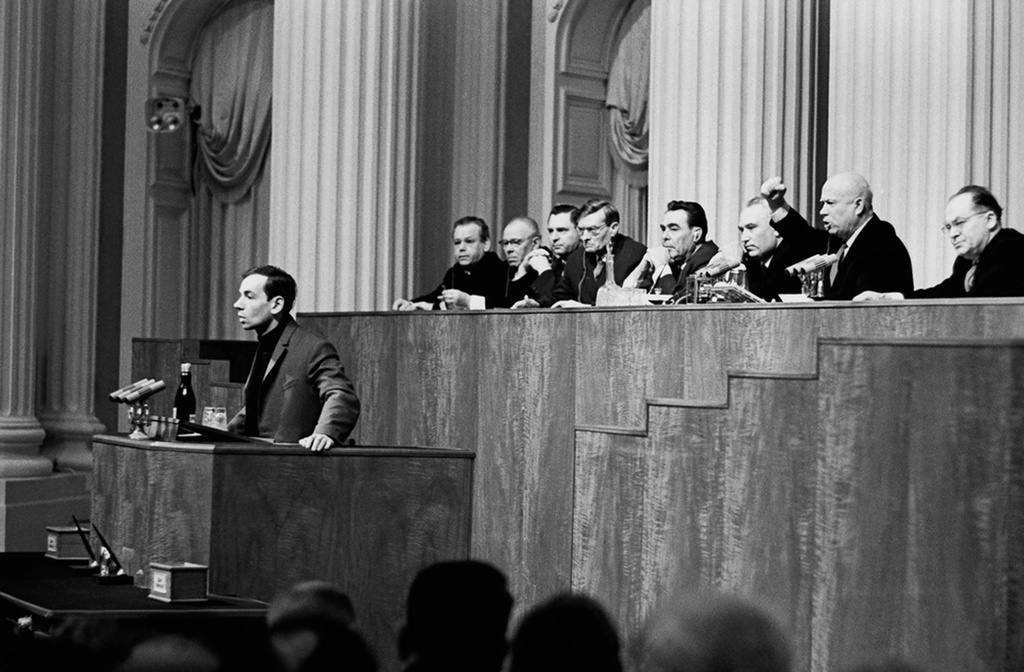
Встреча с интеллигенцией состоялась 7 марта 1963, первой выступила Ванда Василевская, которая обрушилась с критикой на Аксенова и Вознесенского.
Далее происходил следующий диалог, а вернее Хрущев орал и стучал по трибуне, Вознесенский пытался отвечать: Вознесенский: — Эта трибуна очень высокая для меня, и поэтому я буду говорить о самом главном для меня. Как и мой любимый поэт, мой учитель, Владимир Маяковский, я — не член Коммунистической партии. Но и как... Хрущев (перебивает): — Это не доблесть!.. Вознесенский: — Но и как мой учитель Владимир Маяковский, Никита Сергеевич... Хрущев (перебивает): — Это не доблесть, товарищ Вознесенский. Почему вы афишируете, что вы не член партии? А я горжусь тем, что я — член партии и умру членом партии! (Бурные аплодисменты пять минут.) Хрущев (орет, передразнивая): — «Я не член партии». Сотрем! Сотрем! Он не член! Бороться так бороться! Мы можем бороться! У нас есть порох! Вы представляете наш народ или вы позорите наш народ?.. Вознесенский: — Никита Сергеевич, простите меня... Хрущев (перебивает): — Я не могу спокойно слышать подхалимов наших врагов. Не могу! (Аплодисменты.) Я не могу слушать агентов. Вы скажете, что я зажимаю? Я прежде всего Генеральный секретарь. Прежде всего я человек, прежде всего я гражданин Советского Союза! (По восходящей.) Я рабочий своего класса, я друг своего народа, я его боец и буду бороться против всякой нечисти!!! Мы создали условия, но это не значит, что мы создали условия для пропаганды антисоветчины!!! Мы никогда не дадим врагам воли. Никогда!!! Никогда!!! (Аплодисменты.) Ишь ты какой, понимаете! «Я не член партии!» Ишь ты какой! Он нам хочет какую–то партию беспартийных создать. Нет, ты — член партии. Только не той партии, в которой я состою. Товарищи, это вопрос борьбы исторической, поэтому здесь, знаете, либерализму нет места, господин Вознесенский. Вознесенский: — Э–э, я–я... Никита Сергеевич, простите меня... Хрущев: — Здесь вот еще агенты стоят. Вон два молодых человека, довольно скептически смотрят. И когда аплодировали Вознесенскому, носы воткнули тоже. Кто они такие? Я не знаю. Один очкастый, другой без очков сидит. Вознесенский: — Маяковского я всегда называю своим учителем. Хрущев (прерывает): — А это бывает, бывает, другой раз скажете для фона. Ишь ты какой Пастернак нашелся! Мы предложили Пастернаку, чтобы он уехал. Хотите завтра получить паспорт? Хотите?! И езжайте, езжайте к чертовой бабушке. Вознесенский: — Никита Сергеевич... Хрущев (не слушает): — Поезжайте, поезжайте туда!!! (Аплодисменты.) Хотите получить сегодня паспорт? Мы вам дадим сейчас же! Я скажу. Я это имею право сделать! И уезжайте Вознесенский: — Я русский человек... Хрущев (еще более заводясь): — Не все русские те, кто родились на русской земле. Многие из тех, кто родились на чужой земле, стали более русскими, чем вы. Ишь ты какой, понимаете!!! Думают, что Сталин умер, и, значит, все можно... Так вы, значит... Да вы — рабы! Рабы! Потому что, если б вы не были рабами, вы бы так себя не вели. Как этот Эренбург говорит, что он сидел с запертым ртом, молчал, а как Сталин умер, так он разболтался. Нет, господа, не будет этого!!! (Аплодисменты.) Вознесенский (продолжает): — Никита Сергеевич, для меня страшно то, что сейчас я услышал. Я повторяю: я не представляю своей жизни без Советского Союза. Я не представляю своей жизни... Хрущев: — Ты с нами или против нас? Другого пути у нас нет. Мы хотим знать, кто с нами, кто против нас. (Аплодисменты.) Никакой оттепели. Или лето, или мороз.
Объявление в магазине о «Дне неудовлетворённого спроса», СССР, 1986 год. Это когда ничего нет и ты об этом жалуешься в магазы, а там тебя вежливо должны выслушать.
Потрясен некоторым комментариями под моим роликом "Свидетели конца...". Ну, казалось бы идиоту должно быть понятно, что и как обстоят дела с "американским ужасным долгом"... Все равно не поняли.
В связи с этим, поясняю еще раз для свовсем уже тупых.
Вот банк. ВЫ ДАЕТЕ ДЕНЬГИ БАНКУ В ДОЛГ. А банк обязуется вам вернуть их либо по первому требованию, либ через какой-то срок, например год. Или три года. Причем вернуть с процентами. Если в любой момент, этот процент будет низкий, но будет, если вы даете в долг банку на год - будет выше. Если на три года - еще выше.
У вас есть ДВА БАНКА. Один привлек $1000, другой $1,000,000,000.
1. Первый вопрос: какой банк богаче: у которого ДОЛГ $1000 или у которого ДОЛГ $1,000,000,000? 2. Второй вопрос: откуда у банка деньги, чтобы выплачивать проценты?
Ответите на эти два вопроса, сами поймете, почему все предсказатели краха США - ДЕБИЛЫ. И считайте США - всемирным банком.
Заодно подумайте, как тут роль играют "собственные средства банка" - просто для развития соображаловки.
Взято отсюда


 Взято
Взято 

 Взято
Взято 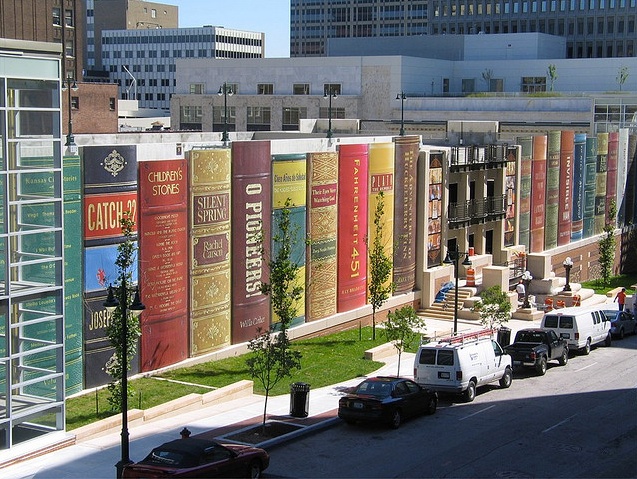

 Взято
Взято 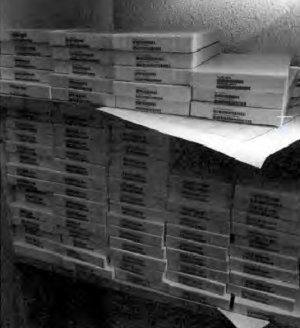


 Взято
Взято 
 Взято
Взято