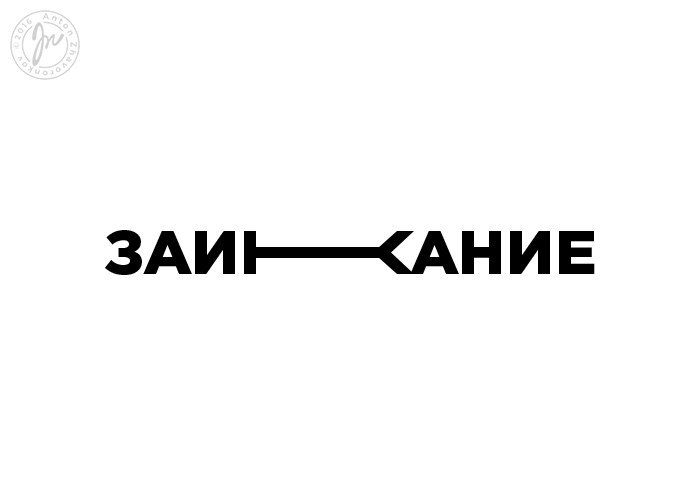
Тренируйтесь с пользой :)
Взято отсюда
 Взято отсюда
Вот:
Спасибо спонсору рубрики — рассылке «Дизайнерский дайджест».
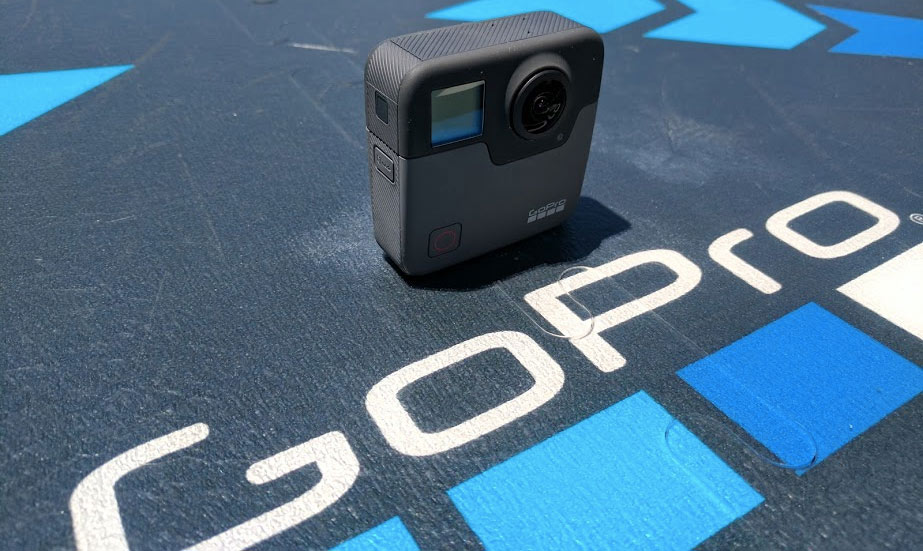
Yesterday GoPro CEO Nick Woodman presented the Fusion 360/VR camera to the world for the first time at Mountain Games in Vail, Colorado. The company teased an image about a month ago, but it turns out that was a bit of a trick. The deliberate use of lighting hid the true shape and form of the camera. Fusion is actually bigger than it looked. GoPro has long considered itself as having outgrown the "action cam" label, instead positioning itself as an enabler for stories beyond the reach of your phone's camera. Put in those terms, Fusion, and 360 video in general, could make more sense.
Over the years the importance of software over hardware has become increasingly apparent to GoPro. The Hero camera line has evolved over time, but it's the user experience after you shoot the video that has been the company's biggest challenge. The next frontier isn't more megapixels, it's making it effortless to convert photos and videos into something you want to share. And Fusion, GoPro's all-in-one VR camera, might actually be the company's best chance at cracking that nut.
Before we get to why, we'll take a look at a more immediate how. Fusion might have been the main reason for the Vail gathering this week, but a new feature for all GoPro users -- called QuikStories -- is actually a good hint at where the company is focusing its efforts. QuikStories aims to instantly create a shareable video from your most recent clips with little to no effort on the user's part (think: Google's Photo Assistant). If GoPro can transplant this mechanism to Fusion, and there's every indication it will, maybe the company can -- gasp! -- make 360/VR video more mainstream.
Before we get to Fusion, though, QuikStories is also an attempt to revitalize its existing camera line. Basically, this is GoPro throwing its hat into the "stories" game -- you know, the game that Facebook, Snapchat, Instagram and seemingly everyone is playing these days. In GoPro's case, it's really just about using technology the company already has (i.e.g, the Quik mobile editing app), and removing all the steps that involve a human.
The idea is simple: shoot several clips in a day, connect your camera to your phone, open the GoPro app and, voila, you'll have an instant, shareable, edited video. We tried it quickly here in Vail, and it looks promising. In fact, the app was already sifting through my videos and compiling a video the moment I connected a phone to the camera.
Why does a "stories" feature matter to 360/VR video? Because who even knows what to do with a 360 video? I don't. Unless you're shooting a bi-plane wing-walk, or other such obviously interesting feat, 360 video doesn't always make sense. Here is the connection with Quik, or at least GoPro's future of smart editing apps. If GoPro can translate the simplicity of Quik, and QuikStories to Fusion's 360 video output, it would achieve mass appeal in a way other players (everyone from Nikon to Samsung) hasn't been able to.
To illustrate this, GoPro showed reporters this week a "regular" video edit taken from its Fusion (spherical) promo video, and it cleverly turned the usual quirks of 360 video -- warping, curved lines -- into an editing transition feature.""Punching" a regular video out of a 360 clip isn't exclusive to GoPro. Plenty of others offer something similar, but there's not one app or camera that combines to do both well. If -- and it's a big if -- GoPro can nail this pairing of hardware and software, 360 video has a chance of making sense for everyday users.
Взято отсюда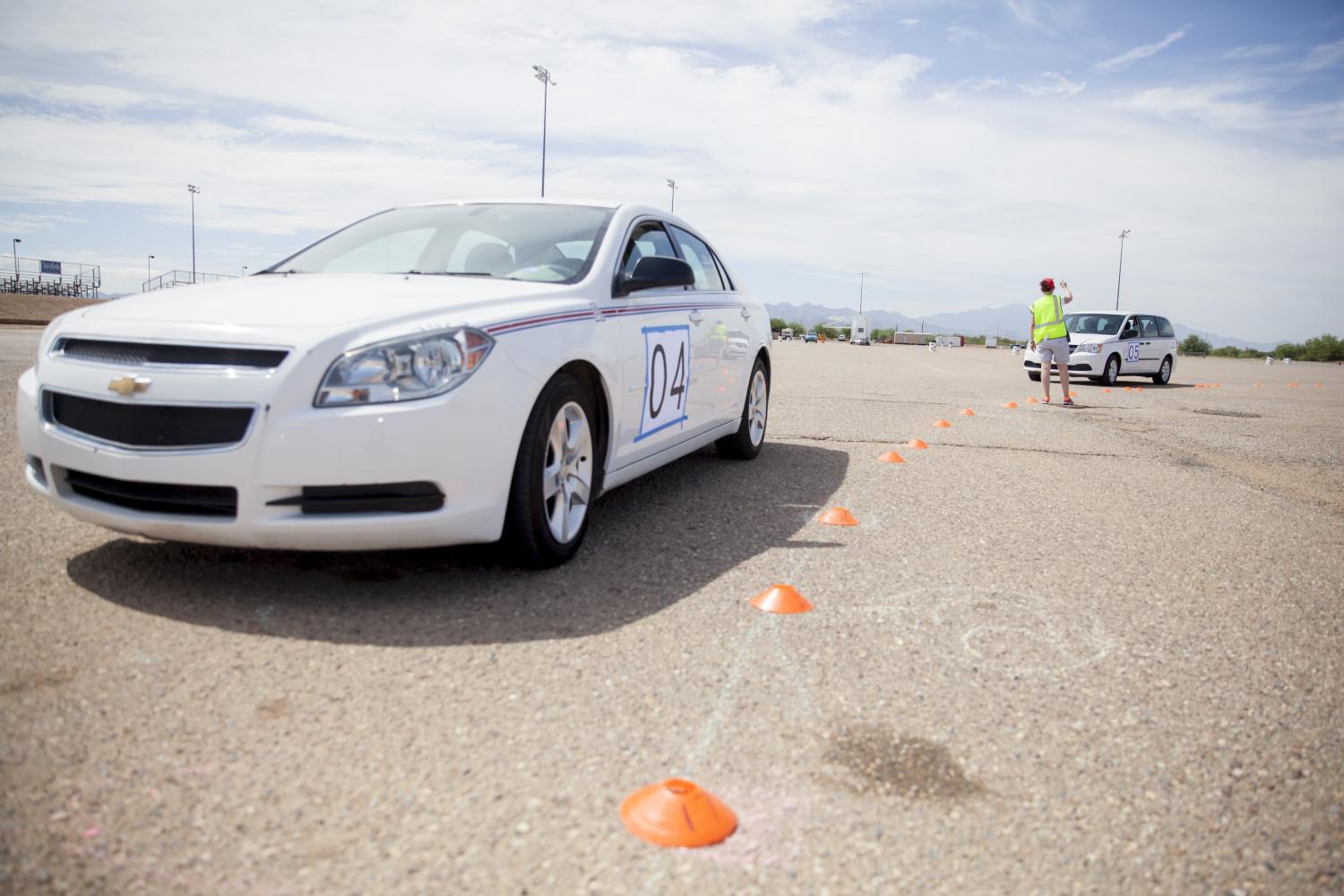
Traffic. We all hate it, but what can honestly be done to significantly reduce it? Well, according to an experiment conducted by the university of Illinois, simply introducing a few self-driving cars to roads could be the answer. Conducting experiments in Tucson, Arizona the team discovered that even adding a single autonomous vehicle to the roads can massively reduce traffic. They programmed a self-driving car to loop a track continuously and then added 20 other human-driven cars to the mix.
While humans somehow naturally create stop-and-go traffic even without lane changes or other disruptions, thanks to the robotic racer, both traffic and fuel consumption were reduced by 40 percent.
This isn't the first example of modern tech helping to reduce congestion. With fixed traffic sensors widely swapped for navigation systems using GPS data, Professor Daniel B. Work believes that automated cars could be the next step -- replacing the traffic-reducing variable speed limits. The next stage of the experiment is to test autonomous cars in situations where both human and AI drivers have to change lanes. From our experience with freeways, we already feel bad for the robot cars.
Still, this isn't the only way that drivers can use automation to reduce traffic. With the margin of human error being so high, the same study suggests that even existing tech like adaptive cruise control has the power to greatly reduce the amount of traffic on our roads.
With many people understandably wary at the prospect of roads completely ruled by automated cars, the idea of mixing a few with regular vehicles seems like a good way to pilot the risky tech.
Via: Phys.org
Source: Cornell University Library
Взято отсюда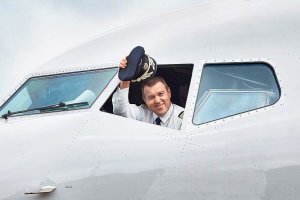
Российские авиакомпании всерьез обеспокоены утечкой летных кадров в Азию: по данным "Ъ", за последние 2,5 года туда уехали на работу более 300 командиров воздушных судов (КВС) и инструкторов (около 100 из них в Китай), еще 400 человек - в процессе трудоустройства. Основной причиной и в отрасли, и в Минтрансе считают высокий разрыв в зарплатах на фоне слабого рубля. Отток кадров начал сказываться на рынке: нехватку пилотов источник "Ъ" называет одной из причин скандального сокращения полетной программы "ВИМ-Авиа". Не исключено, что для решения проблемы авиакомпании РФ могут опять запросить расширение квоты на наем иностранных пилотов.
Российские авиакомпании обеспокоены утечкой кадров в Азию, в частности Китай и Корею, рассказали "Ъ" источники в отрасли. По их сведениям, за последние 2,5 года в регион уехало более 300 "наиболее подготовленных пилотов с отличными знаниями английского" - КВС и КВС-инструкторов. Еще порядка 400 пилотов этих категорий - "в процессе оформления документов". По данным "Ъ", утечка затронула, в частности, S7, "Уральские авиалинии", "Волга-Днепр" и "ВИМ-Авиа".
Собеседник "Ъ" замечает, что уход из "ВИМ-Авиа" сразу 12 КВС мог стать одной из причин масштабных сбоев полетной программы (о ней см. "Ъ" от 8 июня). В авиакомпании подтвердили "Ъ", что некоторые пилоты уехали работать в Китай, Индию и Вьетнам. Основная причина оттока, по мнению "ВИМ-Авиа", "имеет экономический характер": в странах Азии государством созданы условия, благоприятствующие привлечению иностранного летного состава. Здесь нет ограничений и квот для пилотов-иностранцев, лояльная система валидации летного состава, и рекрутинговые агентства подбирают кадры в РФ и других странах.
В Китае в 2016 году насчитывалось 50,5 тыс. пилотов, из них - 25,2 тыс. коммерческих (за год их число выросло на 2,3 тыс. человек). По данным Boeing, в ближайшие 20 лет авиакомпании КНР будут нанимать по 5,5 тыс. пилотов в год - 111 тыс. человек к 2035 году. В 2016 году в стране было 59 авиакомпаний и 218 аэропортов, их перевозки выросли на 12%, до 488 млн пассажиров, а всего через аэропорты КНР прошло более 1 млрд человек.
Авиакомпании РФ с 2011 года из-за дефицита КВС также боролись за право нанимать иностранных пилотов, и в 2014 году правительство выделило им квоту - до 200 иностранцев в год. Но это совпало со спадом пассажиропотока (в 2015 году - на 1,2%, в 2016-м - на 3,8%) и ослаблением рубля, спрос на работу в РФ упал. У "Аэрофлота" 21 иностранный пилот (18 человек - из Чехии), квота компании - 80 человек.
$17-25 тысяч в месяц способны платить квалифицированным иностранным пилотам китайские авиакомпании
Источник "Ъ" в одном из зарубежных рекрутинговых агентств, ищущих пилотов для КНР, согласен, что приток летчиков из РФ совпал с падением пассажиропотока и прекращением полетов "Трансаэро" (осень 2015 года), когда из компании было уволено более 10 тыс. человек. По его словам, зарплата пилота в Китае в среднем в четыре раза выше, чем в РФ,- от $17-25 тыс. в месяц. График работы - 80 часов налета в месяц (в РФ - 90), не менее 96 дней отпуска (в России - 70 дней). С 2016 года в Китае упрощена выдача пилотам разрешений на работу, что "лишь стимулирует приход летного состава из России", говорит источник "Ъ". Интерес к россиянам проявляют десять китайских авиакомпаний, основной спрос - на КВС с налетом от 2,5 тыс. часов. Сейчас в КНР порядка 100 российских КВС и инструкторов, еще столько же готовятся к приему на работу.
Гендиректор "Аэрофлота" Виталий Савельев в кулуарах ПМЭФ-2017 рассказал, что в компании есть дефицит российских КВС, и подтвердил, что "пилоты гурьбой уходят в Азию и Китай, где заработные платы в 1,5-2 раза выше".
Авиакомпания уже пять раз увеличивала зарплату, но "больше не видит возможностей для ее роста", поскольку второй пилот получает 320-350 тыс. руб. в месяц, КВС - 470 тыс. руб., а инструктор - более 500 тыс. руб. "Аэрофлот" запросил новую квоту на 40 иностранных пилотов. По данным "Ъ", на 20% выросла зарплата летного состава "Уральских авиалиний" (там отказались от комментариев). В S7 "Ъ" подтвердили наличие проблемы, но "пока только в единичных случаях". В "Волга-Днепр" на запрос "Ъ" не ответили.
В "ВИМ-Авиа" подчеркивают, что иностранные компании не несут затрат на подготовку пилотов, не имеют обязательств по их пенсионному и соцобеспечению по окончании контракта, поэтому предлагают более выгодные условия оплаты труда. Утечка кадров наносит ущерб не только перевозчикам, но и экономике РФ в целом, считают в компании, так как большинство уезжающих получили образование за госсчет, а при работе за рубежом по краткосрочным контрактам не платят отчисления в Пенсионный и другие фонды. Проблему утечки кадров нужно поднять с отраслевого до государственного уровня, говорят в "ВИМ-Авиа".
В Минтрансе "Ъ" подтвердили тенденцию утечки кадров, но заверили, что "проблема гораздо меньшего масштаба". Там согласны, что отток вызван "прежде всего курсовой разницей валют". Предложения для предотвращения ухода пилотов обсуждаются с Ассоциацией эксплуатантов воздушного транспорта и скоро "будут представлены на общественное обсуждение". В S7 добавили, что планируют обсудить варианты решения проблемы с участниками отрасли. Пока, по словам источника "Ъ", российские авиавласти лишь формально затрудняют пилотам доступ к работе за рубежом - например, отказываясь подтверждать иностранным компаниям лицензию пилота или предоставлять другие документы, ссылаясь на закон о защите персональных данных.
Исполнительный директор "Авиапорта" Олег Пантелеев говорит, что с открытием рынков необходимо смириться с оттоком персонала или начать реально повышать зарплаты. Эксперт не исключил, что для покрытия дефицита кадров может быть принято решение расширить квоты по найму иностранных КВС.

Tequila - новый сингл Лулу Генсбура, выпущенный им после двух лет затишья. Мюзик-холльный флёр семидесятнических французских комедий с Пьером Ришаром и Джейн Би. Старый рояль, будто бы взятый напрокат из легендарной отцовской "Элизы". Sea, Sex & Sun. Каникулы в Сен-Тропе forever.
Младший Генсбур - типичный образец торжествующего бульдозера мультикультурализма. Его мать, Каролина фон Паулюс - наполовину вьетнамка, на четверть немка, на четверть румынка. Ну а отец, великий франузский шансонье Серж Генсбур, родился в семье евреев, уехавших из России в 1919 г.
Vive la France! Многоголосье диалога культур в действии. С такой образцовой родословной хоть сейчас выдвигайся в мэры Парижа. Парадокс в том, что в песнях Лулу не услышать ни вокалисток из Сенегала, ни барабанщиков из Пакистана, ни растаманов с Ямайки, ни скрипачей из Бухареста.
Генсбур не любит ни смешивать, ни взбалтывать, он - образцовый герой неснятого (пока) фильма Вонга Кар-Вая. Печальный супермен в мире, где андроиды не видят снов. Крунер, гастролирующий между Токио и Лиссабоном. Человек с разбитым сердцем, запутавшийся в чужих воспоминаниях.
Несколько порций текилы привычно разгонят ночную хандру. Фантом по имени Мелоди Нельсон без следа растворится в бесконечных лабиринтах памяти. Как говорят, инцидент исперчен, отныне долгая счастливая жизнь. Каждому из нас. Каждому из нас. Каждому из нас. Каждому из нас.
Доктор Уильям С. Верховцев
* * * * * * * * * *
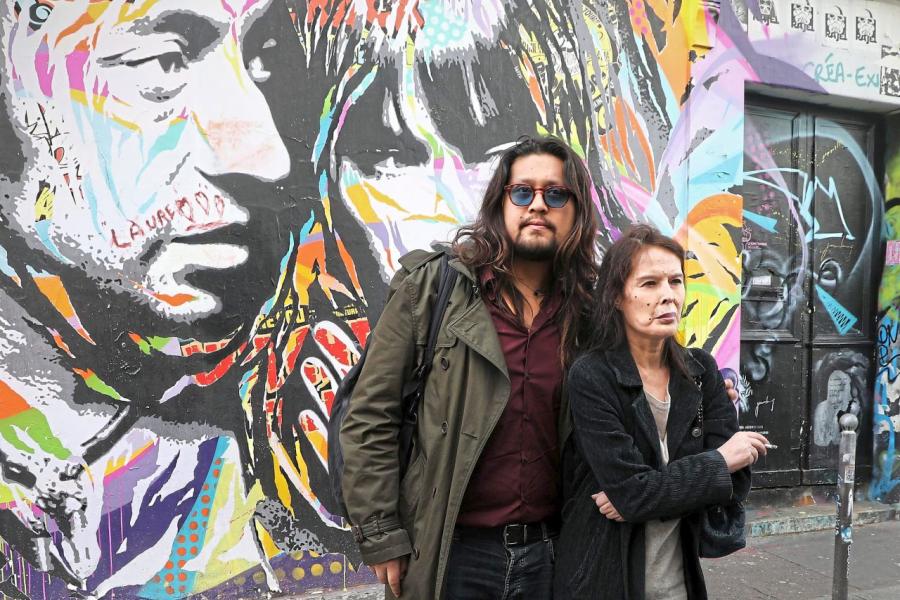
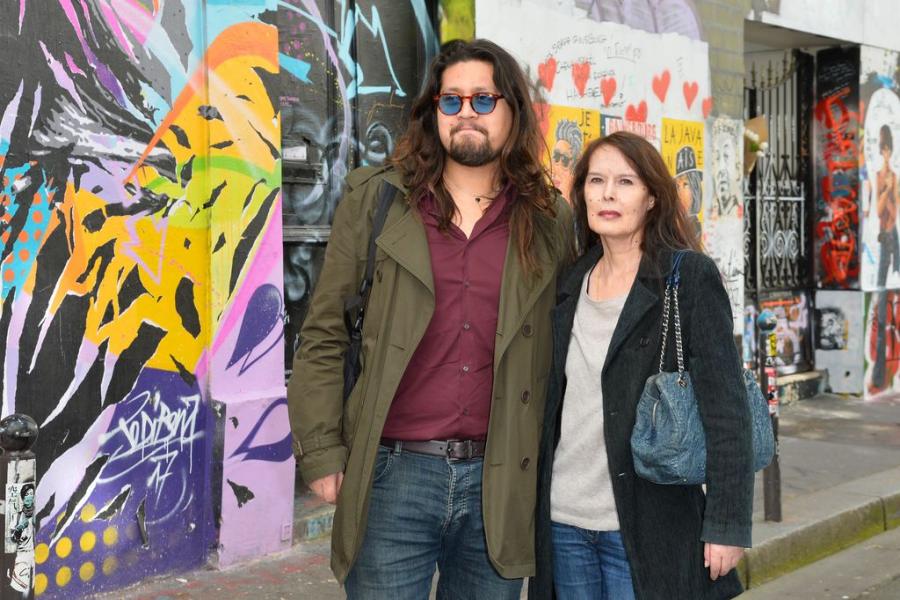
Lulu Gainsbourg & Bambou Rue de Verneuil 5 bis 2017
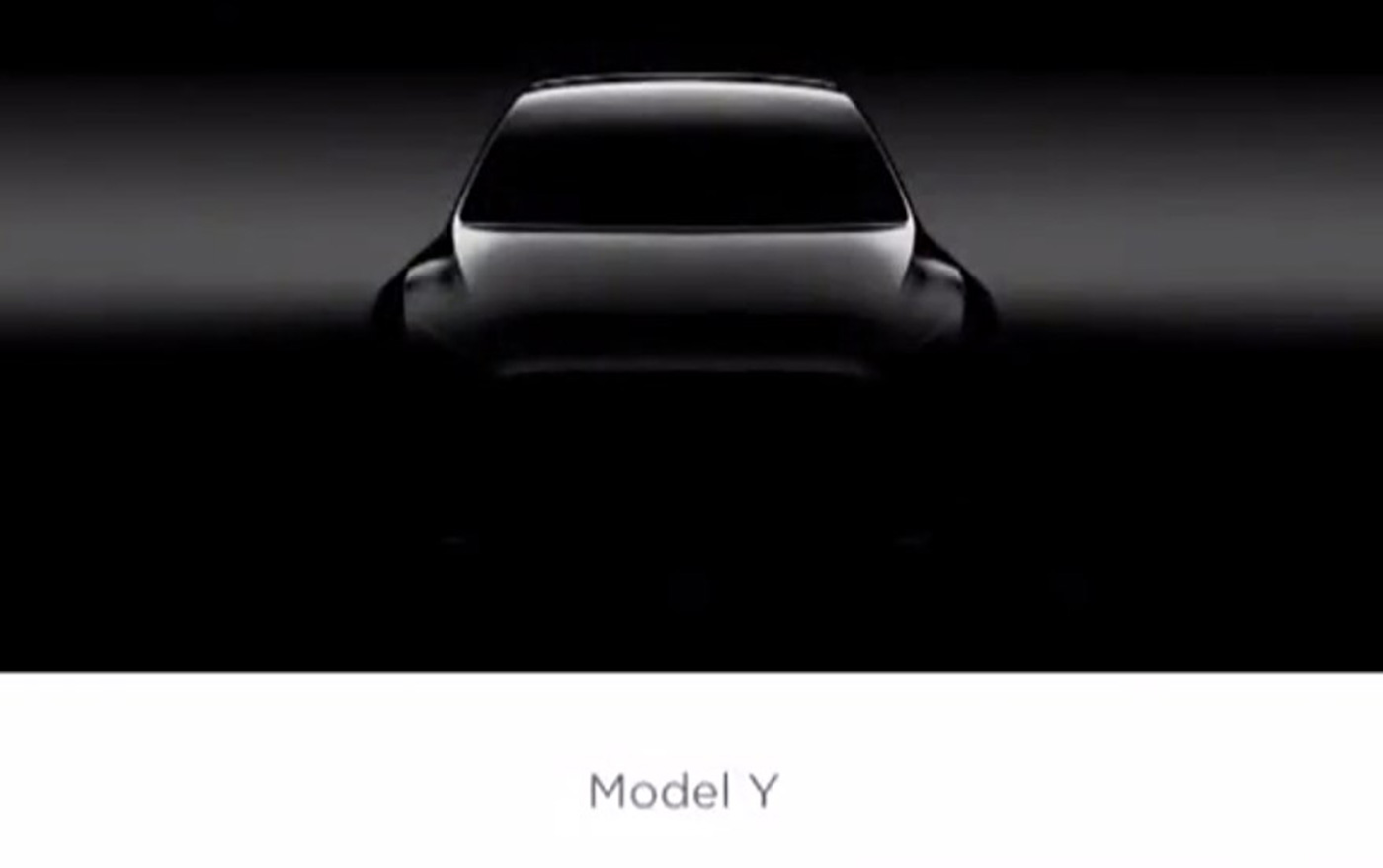
It'll take a few more years before Tesla officially launches the Model Y, but we now kinda, sorta know what it could look like. The automaker has given us a first look at the upcoming mass market crossover EV during its annual shareholders meeting. It's pretty dark and doesn't really show a lot of details, but you'll probably notice the glaring lack of mirrors in the design. We don't know if Tesla truly believes it won't need mirrors when it becomes available by 2019 and beyond or if the design still isn't complete. All we know at this point is that it won't be based on the Model 3 platform, because Tesla chief Elon Musk wants to reduce the wiring needed by the company's vehicles.
At the shareholders meeting, Musk said Tesla actually made a mistake deriving Model X from the Model S platform. "It would have been better to just design an SUV the way an SUV should be designed. Design a sedan, the way a sedan should be designed. Otherwise, you would just try to shoehorn something that doesn't make sense," he said. The decision also gives Tesla the chance to use new and better manufacturing techniques for the SUV that will allow the automaker to drop capital expenditures between Model 3 and Model Y by a factor of two.
In addition to dropping a shadowy photo of its upcoming SUV, the company has also assured everyone that it's on track to begin Model 3 production in July. Its configurator will go live then, as well, starting with the simplest options like the car's color and the wheels. Other more complex options like dual motors will be available later. If you put down a deposit for the $35,000 electric sedan right now, you might get it as soon as the end of the year.
Finally, Musk has hinted at a big announcement when Tesla unveils its electric semi truck later this year. He wouldn't reveal much other than suggesting that "there's more than [they're] saying here" and recommending people to tune in.
Source: The Wall Street Journal, Jalopnik
Взято отсюда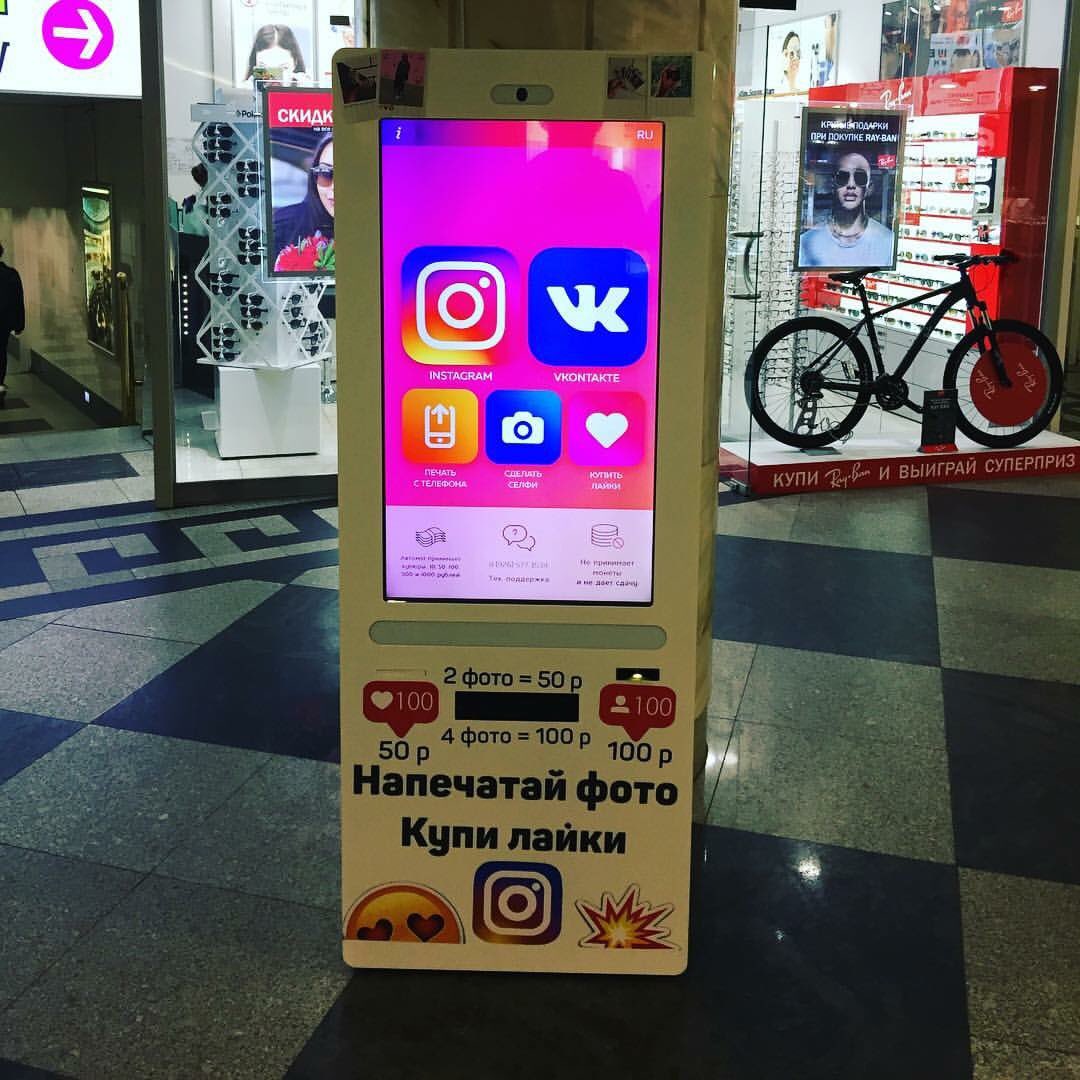
Ever since the dawn of the internet, people have found a way to artificially make themselves look more popular online. In exchange for a small sum, various dodgy-looking websites have long promised to boost your ego by selling you fake followers. Now, one Russian company is taking that concept offline, allowing you to improve your social standing by buying likes at a vending machine.
Spotted in a mall in Moscow by Russian journalist Alexey Kovalev, for $0.89 this machine will give you 100 fake likes on any Instagram post. For those with deeper pockets and a more pressing need for insincere validation, the same company also offers to net you 150,000 followers for $850. The company promises that paying the princely sum will also guarantee delivery of up to 1,500 likes per post. For those wanting a memento of all their new 'friends', this machine will also print your Instagram snaps too.
Instalike vending machine is for cheapskates. For $850 you can buy 150,000 followers guaranteed to deliver up to 1500 Likes to each post. pic.twitter.com/5V3HTQ4kfl
— Alexey Kovalev (@Alexey__Kovalev) June 6, 2017
With Instagram celebrities making a living from the alluring social platform, it's not hard to see how a machine like this came to exist. While arguably a new low for capitalism, this isn't exactly the first time that a vending machine has embraced the strange world of the internet. In Ethopia, you can get illegal rips of all the latest movies and TV shows downloaded straight to a vending machine-dispensed USB stick.
With pirated entertainment and fake friends now being dispensed as easily as candy bars, let's just hope that the last bastion of online purity, our Uber ratings, remains honest and true.
Via: Mahable
Source: Twitter
Взято отсюда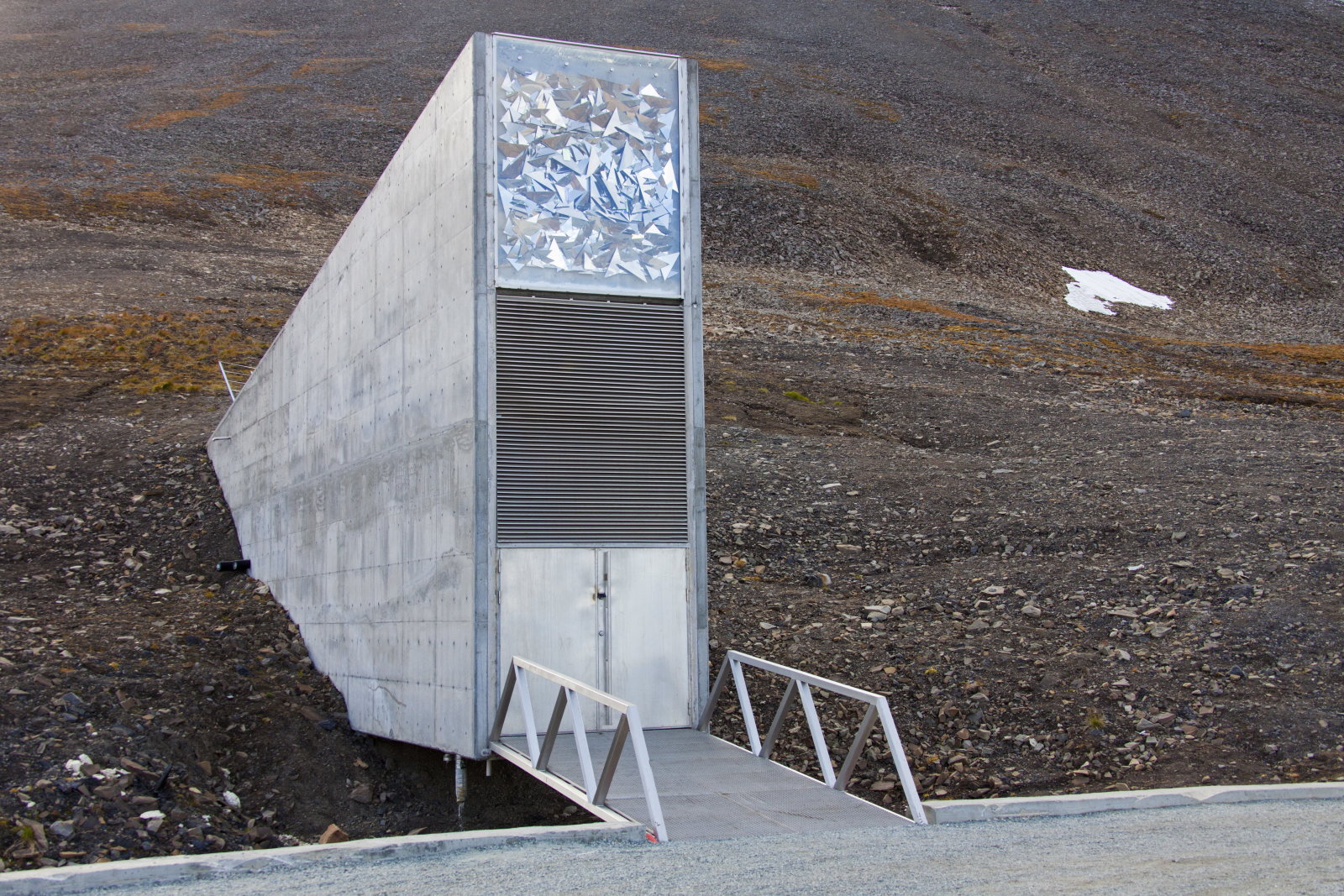
When melting permafrost poured into the entrance of the Svalbard Global Seed Vault, there was an understandable worry. What good is safeguarding the world's crops in the Arctic if even that area isn't immune to the threat of climate change? Well, you can relax. Statsbygg, the Norwegian construction group behind the vault, has outlined "technical improvements" to keep the entrance safe. It's building waterproof walls and ditches to channel water away, and it's moving electrical equipment out of the entrance to avoid creating a source of heat. The vault will also take fewer visitors to reduce body heat levels -- even that small amount could make a difference.
With that in mind, Statsbygg stresses that the seeds themselves have "never been threatened." The mountainside that holds the seeds themselves will keep its permafrost -- the builders just hadn't expected that the permafrost near the entrance would refuse to re-freeze after a decade since construction. Vault co-creator Cary Fowler tells Popular Science that the seeds would be safe in a "worst case scenario" where a pump failure or extreme water levels were problems. The water would have to go uphill and somehow avoid freezing in bitterly cold (around 0F) temperatures.
Humanity will still have access to the seeds in case of disaster, then. The bigger worry is simply that the vault keepers have to seriously consider water in the first place. Svalbard is supposed to be relatively immune to the effects of a warming planet, at just 620 miles from the North Pole -- that it isn't is worrying, even if the practical risk is low.
Source: Reuters
Взято отсюда
Last month, the Trump administration formally proposed tougher vetting for visa applicants that would require more social media scrutiny. Today, the State Department formally enacted the expanded questionnaire, which will force applicants to disclose their social media handles from the last five years and biographical information going back 15 years.
The additional questions also include email addresses, phone numbers, past addresses, previous employment and travel history. A State Department official told Reuters that officials will be able to request additional information "to confirm identity or conduct more rigorous national security vetting." Previously, the department claimed that only about 0.5 percent of applicants worldwide would receive the extended questionnaire.
The questions are technically voluntary, but the form notes that failing to answer could delay or outright prevent the visa's processing. During the public comment period following the proposed questionnaire expansion, critics attacked the effort for likely increasing the already-slow process and potentially discouraging international students and scientists from attempting to enter the country. Immigration lawyers noted that tracking personal history back so far might open up applicants to innocent mistakes, which could also delay visa processing.
Asking for social media information didn't start with the Trump administration: Last June, the Department of Homeland Security requested that such questions go on visa applications. They were approved in December, but only for those applying for visa waivers.
Source: Reuters
Взято отсюдаВот:
Хотите стать спонсором рубрики? Пишите: ilyabirman@ilyabirman.ru