15 сенсационно–пугающих цитат нейролингвиста Татьяны Черниговской о сюрпризах мозга, подсознания и психики

2019-12-18 00:24:47

http://muz4in.net/news/15_sensacionno_pugajushhikh_citat_nejrolingvista_tatjany_chernigovskoj_o_sjurprizakh_mozga_podsoznanija_i_psikhiki/2019-12-17-50831

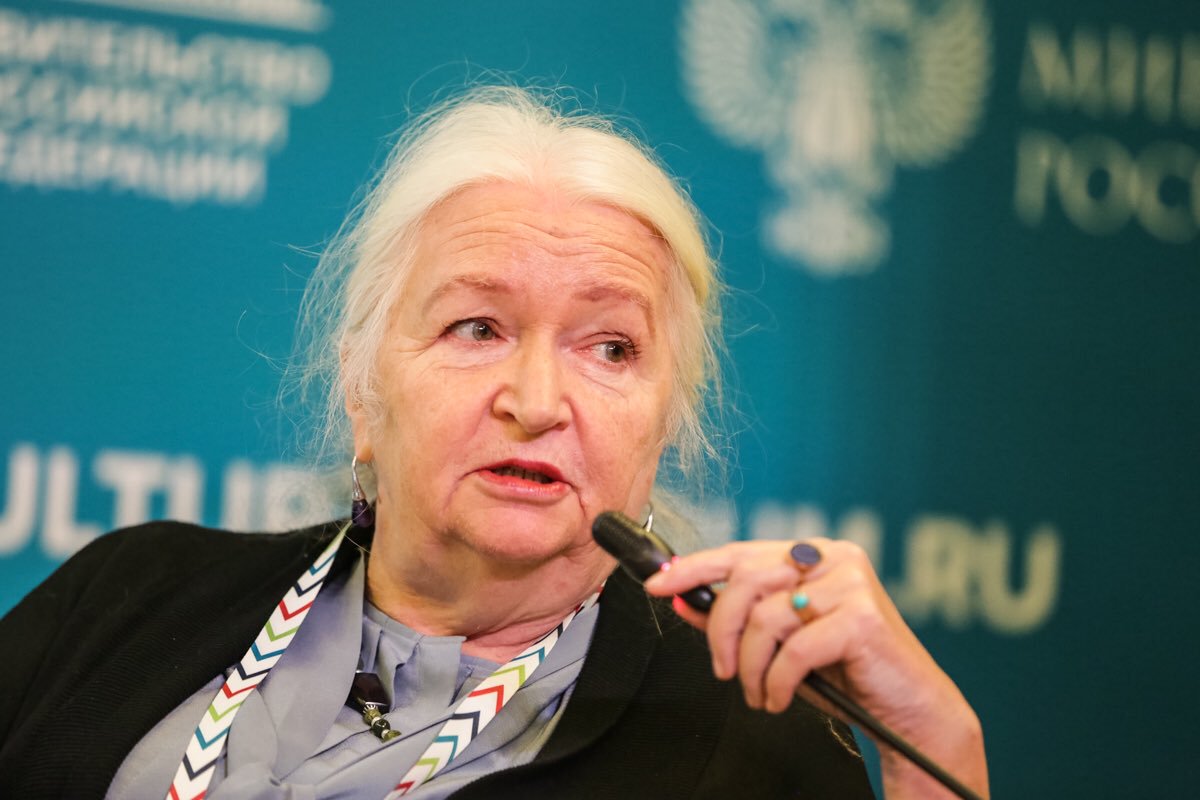
Профессор Татьяна Черниговская, доктор биологии и филологии, заведующая Лабораторией когнитивных исследований СПбГУ, читает интересные и полезные лекции о мозге, сознании и бессознательном, психике, искусственном интеллекте, мышлении и т.д. Порой в них проскальзывают поистине сенсационно–пугающие заявления о непостижимых тайнах и сюрпризах нашего самого мощного компьютера. В некоторые просто невозможно поверить. Мы собрали для вас самые неожиданные.

1. Мозг — это загадочная мощная вещь, которую по недоразумению мы почему–то называем «мой мозг». Для этого у нас нет абсолютно никаких оснований: кто чей — это отдельный вопрос.

2. Мозг принимает решение за 30 секунд до того, как человек это решение осознает. 30 секунд – это огромный период времени для мозговой деятельности. Так кто ж в итоге принимает решение: человек или его мозг?

3. Действительно пугающая мысль — а кто на самом деле в доме хозяин? Их слишком много: геном, психосоматический тип, масса других вещей, включая рецепторы. Хотелось бы знать, кто это существо, принимающее решения? Про подсознание вообще никто ничего не знает, лучше эту тему сразу закрыть.

4. Мы должны серьезно к мозгу относиться. Ведь он же нас обманывает. Вспомните про галлюцинации. Человека, который их видит, невозможно убедить, что их не существует. Для него они так же реальны, как для меня стакан, который стоит на этом столе. Мозг ему морочит голову, подавая всю сенсорную информацию, что галлюцинация реальна.

Так какие у нас с вами основания считать, что то, что сейчас происходит, реально, а не находится внутри нашей галлюцинации?

5. Чтобы тебя не раздирало изнутри, нужно выговориться. Для этого существуют исповедники, подруги и психотерапевты. Заноза, если ее вовремя не вынуть, устроит заражение крови. Люди, которые молчат и держат все в себе, находятся не только под серьезным психологическим или даже психиатрическим риском, но и под риском соматики. Любой профессионал со мной согласится: все начнется с язвы желудка. Организм един — и психика, и тело.

6. Люди должны работать головой, это спасает мозг. Чем больше он включен, тем дольше сохранен. Наталья Бехтерева написала незадолго до ухода в лучший мир научную работу «Умные живут долго».

7. Открытие нельзя сделать по плану. Правда, есть существенная добавка: они приходят подготовленным умам. Понимаете, таблица Менделеева не приснилась его кухарке. Он долго работал над ней, мозг продолжал мыслить, и просто «щелкнуло» во сне. Я так говорю: таблице Менделеева страшно надоела эта история, и она решила ему явиться во всей красе.

8. У людей неправильные установки, они считают, что, например, повар хуже, чем дирижер. Это не так: гениальный повар перекроет всех дирижеров, я вам как гурман говорю. Сравнивать их все равно что кислое и квадратное — неправильно поставлен вопрос. Каждый хорош на своем месте.

9.Я вечно пугаю всех тем, что недалеко то время, когда искусственный интеллект осознает себя как некую индивидуальность. В этот момент у него появятся свои планы, свои мотивы, свои цели, и, я вас уверяю, мы не будем входить в этот смысл.

10. То что мозг оказался у нас в черепной коробке, не дает нам право называть его «мой». Он несопоставимо более мощный, чем вы. «Вы хотите сказать, что мозг и я — это разное?» — спросите вы. Отвечаю: да. Власти над мозгом мы не имеем, он принимает решение сам. И это ставит нас в очень щекотливое положение. Но у ума есть одна уловка: мозг сам все решения принимает, вообще все делает сам, но посылает человеку сигнал — ты, мол, не волнуйся, это все ты сделал, это твое решение было.

11. За существование гениев мы платим огромную цену. Нервные и психические расстройства выходят на первое место в мире среди болезней, они начинают опережать по количеству онкологию и сердечно–сосудистые заболевания, что являет собой не только вообще ужас и кошмар, но, кроме всего прочего, очень большое динамическое бремя для всех развитых стран.

12. Мы рождаемся с мощнейшим компьютером в голове. Но в него надо установить программы. Какие–то программы в нем стоят уже, а какие–то туда нужно закачать, и вы качаете всю жизнь, пока не помрете. Он качает это все время, вы все время меняетесь, перестраиваетесь.

13. Мозг — это не просто нейронная сеть, это сеть сетей, сеть сетей сетей. В мозге 5,5 петабайт информации — это три миллиона часов просмотра видеоматериала. Триста лет непрерывного просмотра!

14. Мозг не живет, как голова профессора Доуэля, на тарелке. У него есть тело — уши, руки, ноги, кожа, потому он помнит вкус губной помады, помнит, что значит «чешется пятка». Тело является его непосредственной частью. У компьютера этого тела нет.

15. Способность получить высококлассное образование может стать элитарной привилегией, доступной только «посвященным». Вспомним Умберто Эко, предлагавшего в романе «Имя розы» пускать в Библиотеку только тех, кто умеет, кто готов воспринимать сложные знания. Произойдет разделение на тех, кто будет уметь читать сложную литературу, и тех, кто читает вывески, кто таким клиповым образом хватает информацию из интернета. Оно будет раздвигаться все больше и больше.

Специально для читателей моего блога Muz4in.Net

Написала xxxROSEMARINAxxx на mn.d3.ru / комментировать

Взято отсюда

Клинтонит Берни Сандерс возмущен: доколе Джулиани будет резать правду–матку!

2019-12-18 00:18:35

https://hugelolcdn.com/hugegifs.com/i/12770.gif

Вот известный политолог Олег Матвейчев перечисляет, что конкретно заявил Рудольф Джулиани после нескольких дней встреч с украинскими политиками:

1. Обама и Порошенко украли на Украине с 2014 года миллиарды долларов денег из бюджета США. Он говорит о 100 млрд. (Даже я не думал, что так много. И правда, до сих пор я не уверен, что Обама к этому причастен )
2. 70% украденных на Украине американских денег были присвоены именно американскими гражданами.
3. Семья Байденов украли минимум 3 млн длр.
4. Посол США Йованович лично участвовала в расхищении денег и укрывательстве массового воровства.
5. Посол США Йованович минимум 3 раза врала под присягой на слушаниях в конгрессе США, пытаясь скрыть преступления свои и подельников.
6. Было организовано серьезное вмешательство в выборы США с участием Украины с целью не дать народу США выбрать президентом Трампа.
7. Расследование будет продолжено. Джулиани реально изумлен итогами своего расследования
.

Резюмирует перечисленное другой видный политолог Сергей Марков:
По мере получения информации о сотрудничестве США и властей Украины после 2014 года в США будет нарастающее падение и уход в отставку и под суд американских политиков. Пол Манафорт уже в тюрьме. Рик Перри, министр энергетики, уже в отставке из–за Украины. Курт Волкер, спецспредставитель по Украине, уже в отставке. Мария Йованович, посол в Украине, уже в отставке. Трамп уже под импичментом из–за Украины. Байден уже под подозрением в коррупции в Украине. И будет еще больше. Почему? Причин 2.

1. После установления марионеточной диктатуры создались идеальные условия для массовых преступлений, в том числе воровства.

2. Антидемократический и античеловеческий характер режима настолько очевиден, что защищать его могут только политики с абсолютно разрушеными моральными принципами. А такие начинают и воровать и злоупотреблять властью при первой возможности. Так что американский политикум ждет много изумляющих открытий
.

Написал Ome3 на fognews.d3.ru / комментировать

Взято отсюда
Жди меня

2019-12-18 00:13:42

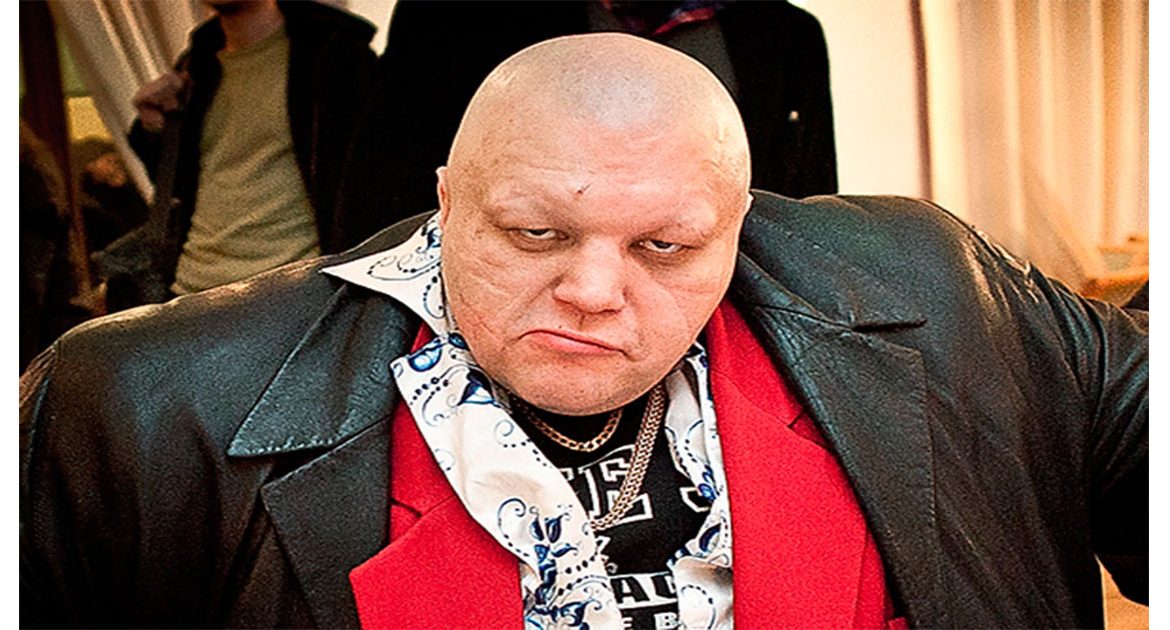
"В 2002 году в Санкт–Петербурге я познакомился с гражданкой Швеции, которую звали Малена. Это произошло в последних числах марта. Между мной и иностранкой произошел краткосрочный роман, после чего мы расстались. Недавно я увидел фото матери Греты Тунберг и узнал девушку, с которой 17 лет назад имел связь. По срокам, известная общественная активистка Грета — моя дочь, все совпадает! Она похожа на меня, это моя дочь, я хочу с ней воссоединиться!"

Стас Барецкий, шоумен

Написала EasyLiving на lopata.d3.ru / комментировать

Взято отсюда

Tserovani, A Russo-Georgian War Legacy

2019-12-17 20:57:10

Tserovani, A Russo-Georgian War Legacy

On November 12, 2006, a referendum was voted upon in which South Ossetians demanded independence from Georgia. Ethnic Georgians, living in the same territory, voted to stay as part of Georgia. The referendum was not recognized by the Georgian government.

4GB – Georgian Electronic Music Festival, 2017  

The referendum was followed by many conflict-escalating steps. In August 2008, military tension and  clashes, between Georgians and South Ossetian separatists, erupted into the Russo-Georgian war. After 5 days, Russian forces occupied several Georgian cities. On August 15-16 a ceasefire agreement was negotiated.

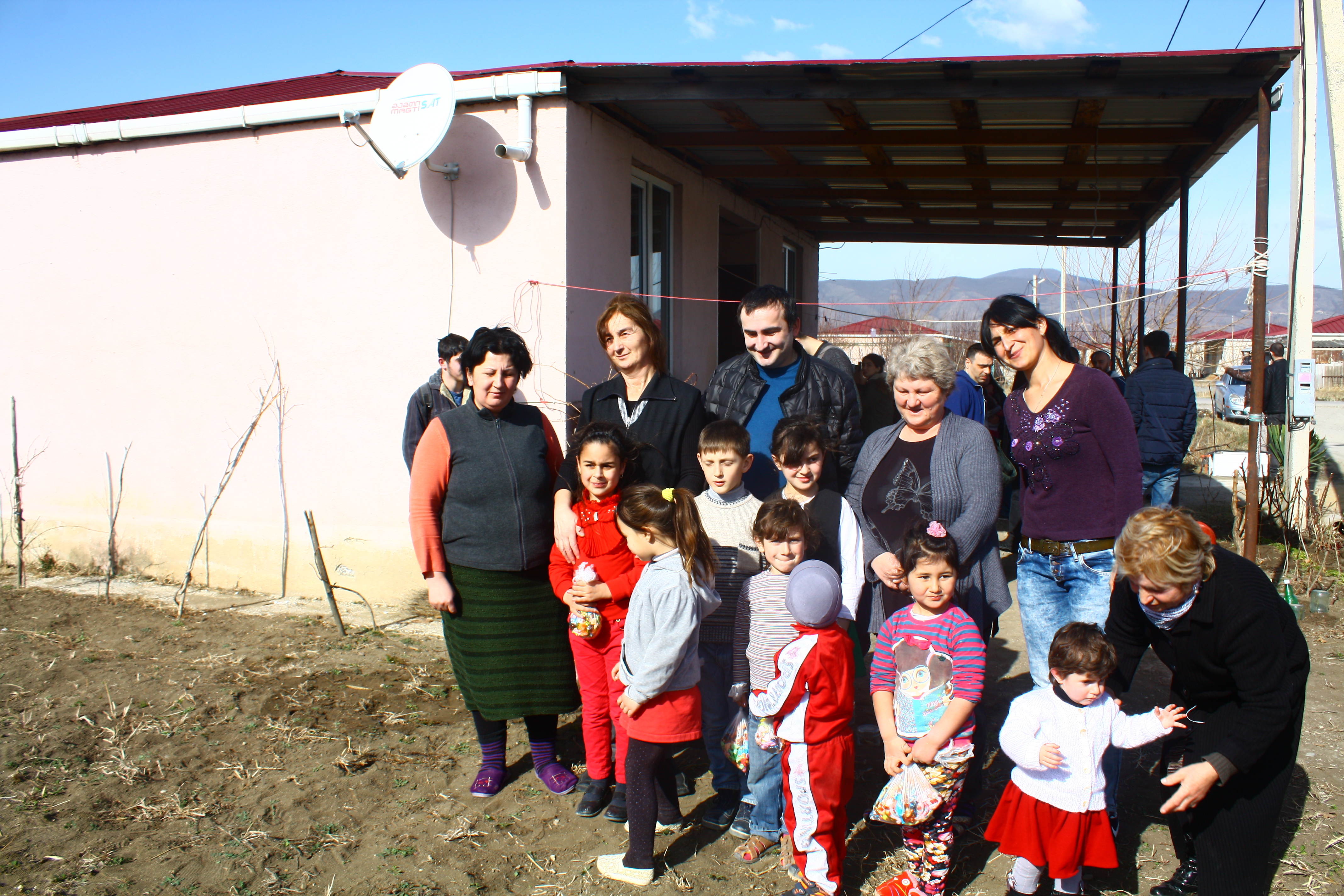
Later, Russian and Ossetian troops expanded the border into Georgia, evicting ethnic Georgians from their homes; around 30,000 ethnic Georgians remain displaced, unable to return to their land. The Georgian government had no other choice but to find a away to accommodate them.

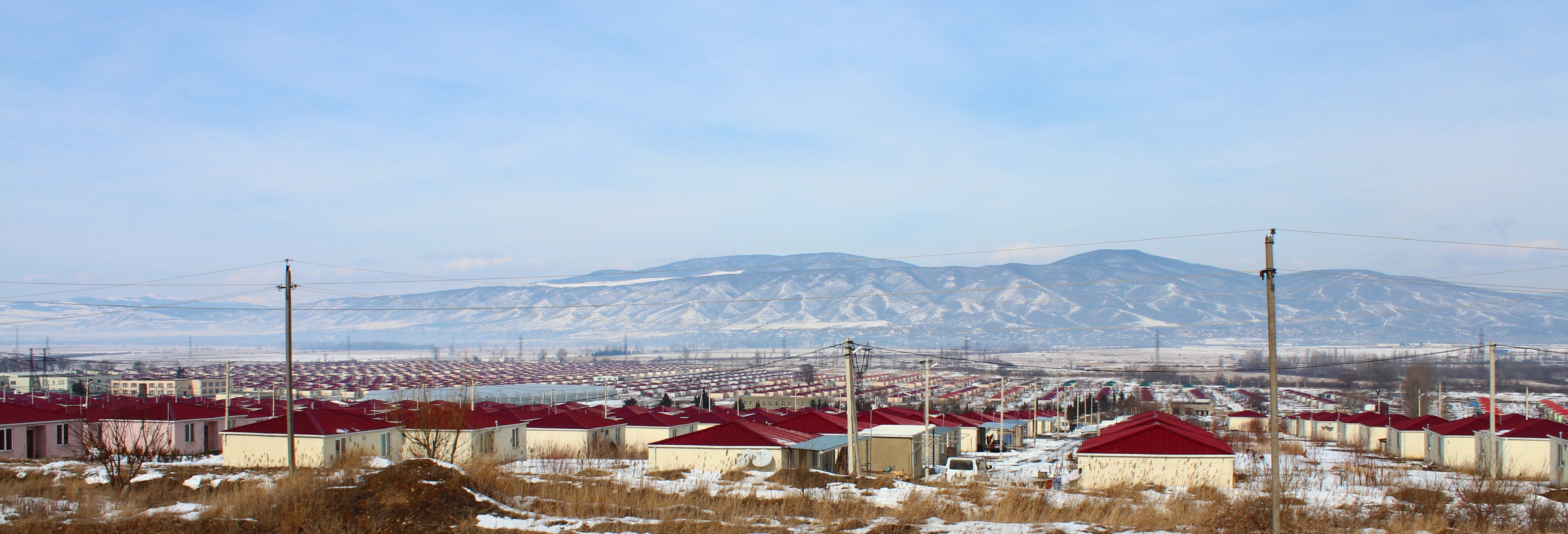
More than 2,000 cottages were urgently built near Tbilisi, providing housing for internally displaced families. The refugee village is called Tserovani and is located 40 km away from the capital.
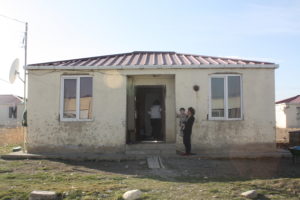
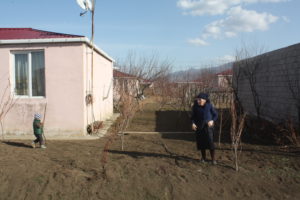
            

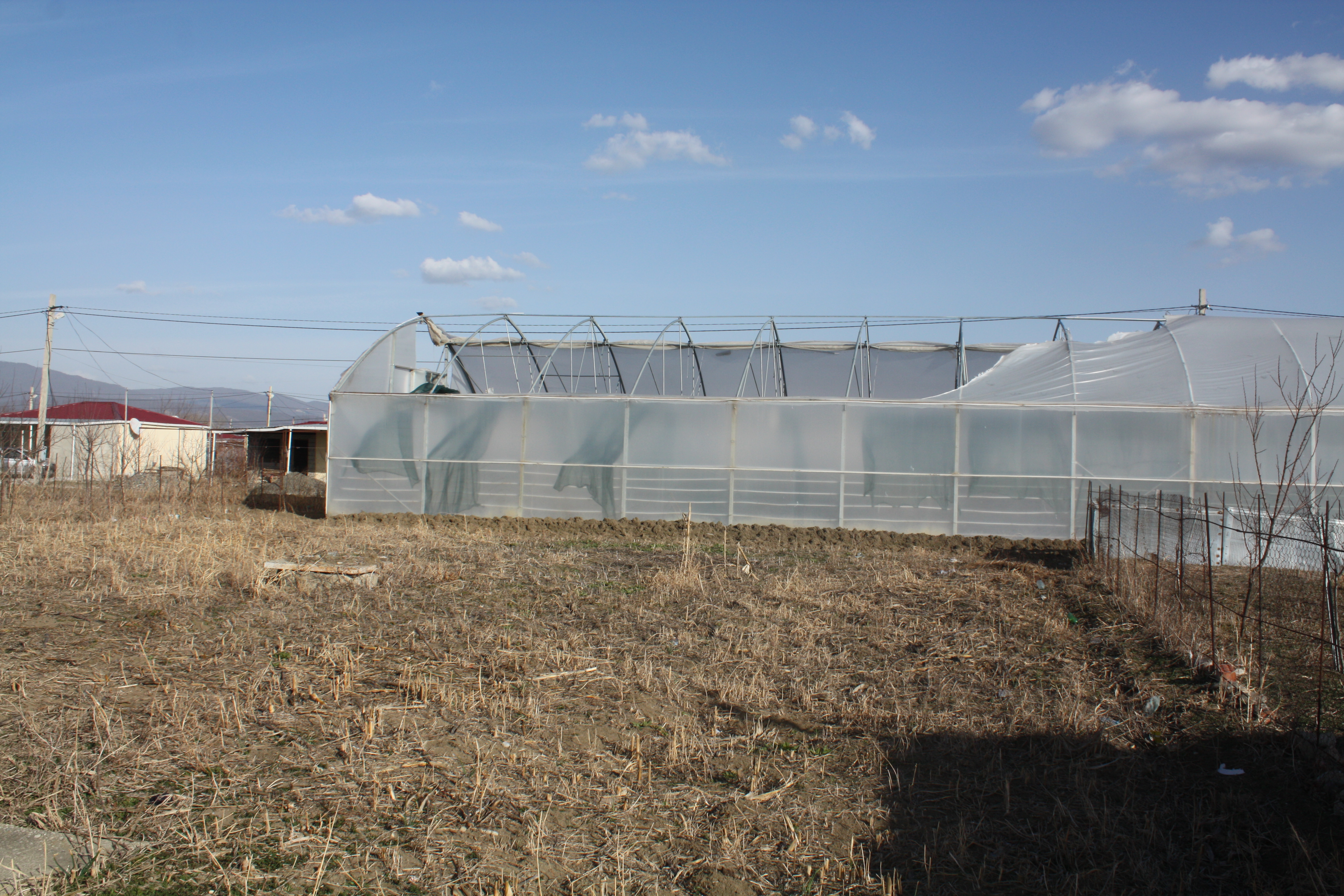
The large desert-like territory is filled with small white houses. All similar, with red roofs and tiny yards, no gardens or plants. The camp shelters many thousands of residents. They come from rich, plentiful villages, where they had to leave their farms, fertile land and houses.

The residents that live here no longer have hopes of returning home. They try to get used to the current circumstances. They speak of problems which concern their everyday life, such as lack of agricultural land, no jobs, communal fees, water problems, et cetera.

Heating is the biggest problem in winter. The cottages have thin walls and it’s unbearable to live here during the cold. Most locals cannot afford to pay their gas and electricity bills.

The lack of job opportunities adds to IDPs’ general sense of insecurity. NGO and government programs are called a drop in the ocean of need for them.
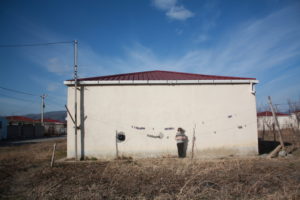
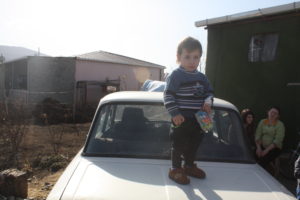
            

The Georgians who fled South Ossetia are coming to grasp with the reality that they may never be able to return to their point of origin. The South Ossetian authorities have made clear that Georgians who left are not welcome to return.

Their hopes of going back home are destroyed but they still dream of conflict settlement between Russia and Georgia.

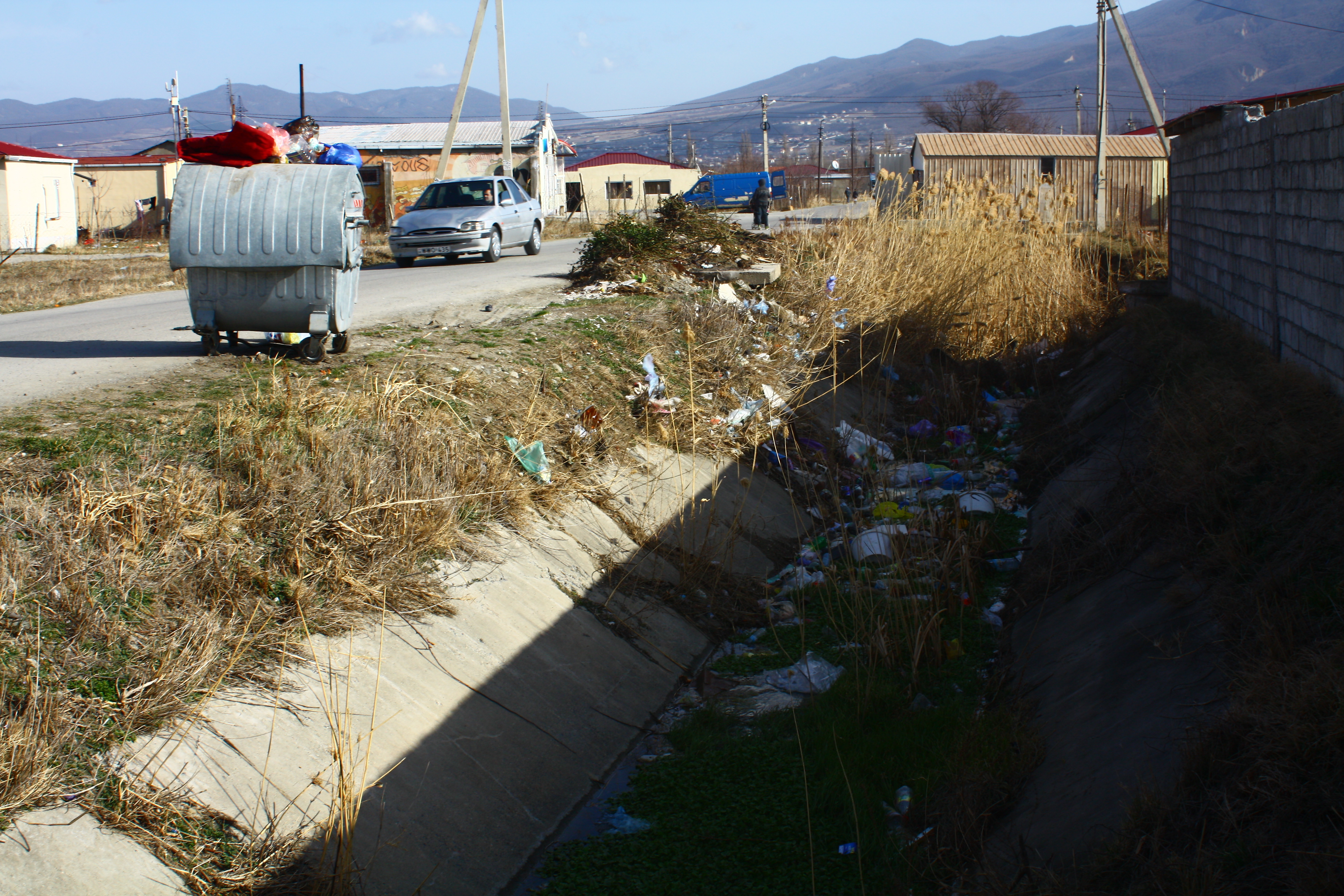
   

Взято отсюда

Водитель Мерседеса важнее пешехода

2019-12-17 03:55:28

https://www.fastcompany.com/3064539/self-driving-mercedes-will-be-programmed-to-sacrifice-pedestrians-to-save-the-driver

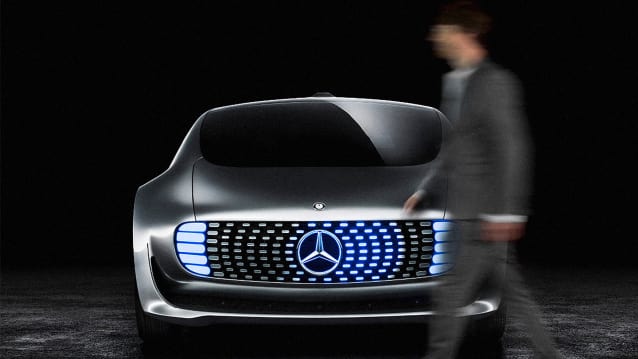
Мерс на автопилоте будет запрограммирован спасти водителя если в случае неизбежной аварии будет выбор между пешеходом и водителем. На реддите шутят, что благодаря технологии определения лица, будет проще выяснить кого из пешеходов с плохой кредитной историей давить первым.

Написал sudo на cyberpunk.d3.ru / комментировать

Взято отсюда
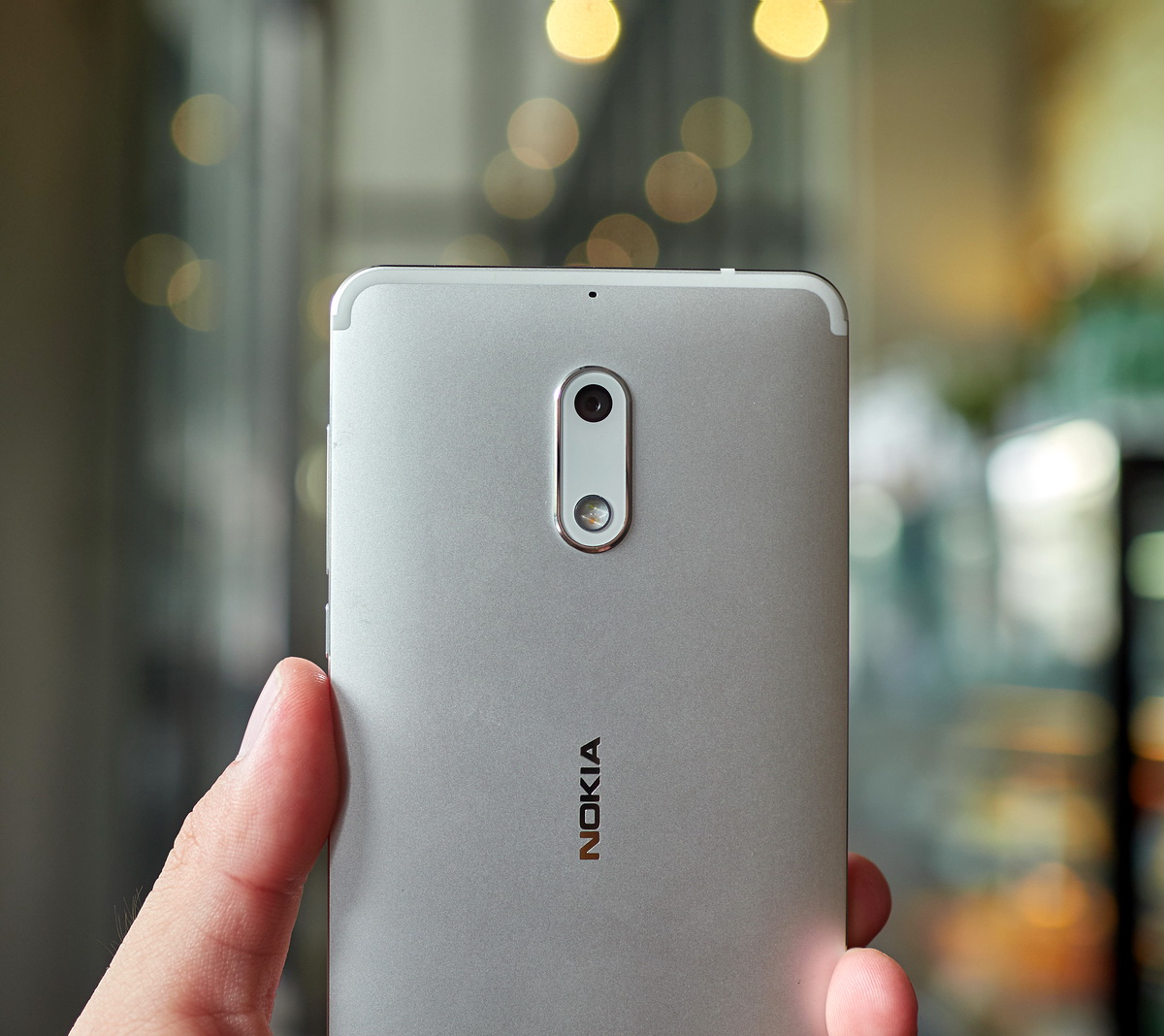
The Future of Digital Imaging - Will Smartphones Replace DSLR and Mirrorless Cameras?

2019-12-17 00:07:34
There have been a lot of chatters and speculations flying around that some companies won't survive the coming storm and smartphones will eradicate the existence of dedicated cameras in the future. Just because the camera sales are down and some companies aren't doing so well recently, it was too easy to make assumptions that the market won't survive and some brands will have to die. That is oversimplification of what will happen. The doom and gloom scenario have been vastly exaggerated, and I have a few things to say about this topic. I personally do not think smartphones will fully replace DSLR and mirrorless cameras, in the future there is enough room for everyone to co-exist. In this article (and  a video I made) I addressed this issue and shared my thoughts on what will happen to the future of digital cameras. 


A lot of parallels were drawn from the demise of Kodak due to the rise of digital photography in comparison to some companies not innovating fast enough to catch up to the rise of smartphones. I am not denying there are stark similarities between these two scenarios, but the there are some crucial key differences as well. 

Kodak based their almost entire business model on supplying film and printing, the digital photography revolution killed them because digital cameras no longer need film and printing. The medium of photography, the way the camera works have changed fundamentally.  It was not because Kodak did not innovate fast enough or catch up to the market, in fact Kodak was the forerunner when it comes to digital photography, they contributed greatly at the conception and innovation of digital cameras right at the start. There were a lot going on in the company which led to the downfall, and the main reason was Kodak holding on to their old business model.

Coming back to smartphones, yes it is clear that smartphones are eating into the pie of digital camera sales, but what is happening now is entirely different. Smartphone's  camera is fully digital camera, a direct imitation of similar digital photography process found in DSLR and mirrorless cameras. There is no change of shooting method or process, and the digital photography at the core has not changed at all. In fact the cameras on smartphones, at the time of this writing, are still inferior in comparison to what dedicated, traditional digital cameras can do. Again, as I have said a few times in my previous videos and articles, the main reason smartphones are doing so well - convenience and full integration with digital lifestyle and social media. 

No I don't believe this will be sufficient for the smartphones to kill off the existence of DSLR and mirrorless cameras, but I do have a few thoughts on what will happen to the industry moving forward. 

1) ENTRY LEVEL CAMERAS WILL DIE
It is not difficult to predict the demise of entry level DSLR and mirrorless cameras. The only way the business model for low priced, low profit margin products to work is sales by sheer quantity to the mass market. It is no secret that the top selling camera models for the past 10 years have been the lowest entry level cameras (such as Canon 1000D, 500D/600D series, Nikon D3000/D5000 series). The camera companies can only make enough money by selling in huge volume. 

However, here  comes the problem, the immediate drop of sales over the years happen to this huge chunk of entry level market - a lot of consumers have decided that their smartphone camera is good enough for day to day shooting and snapshots, and they don't need an actual camera anymore. If the sales quantity of entry level cameras continue to drop, it will reach a point that the camera companies will lose money instead of making money by maintaining the entry level product line-up. Without the mass volume, it does not make sense to continue making entry level cameras where the demand has almost completely stopped.

The next practical move is to shift the market upward to mid tier and high end models, such as Canon 7D series or 5D series, and Nikon D500 and D700/800 series. Selling one D850 camera can bring in 10 times the profit of one D3500 camera. There is no future in keeping the entry level products and they will surely go first. 


2) THE FUTURE IS SMALL
What made smartphones so successful? Besides the point that it is one device to do it all, the form factor of smartphones are truly compact, so small, so light and so slim, easily pocketable and bring around everywhere. I am speaking for the mass consumer market, I am not referring to professional photographers and serious enthusiasts, there is no place for large, bulky and heavy cameras in the future. The cameras will have to be made truly portable to entice the general market to want to bring out and use. I believe there will be compromise when it comes to overall imaging performance, we won't be getting the best of the best out of smaller sized cameras. Also, there will be hybrid products, cameras that will be co-dependent on smartphones to work. 

A solid example would be Olympus Air A-01, an interesting flirtation into what the future of hybrid imaging products may look like - stripping off unnecessary parts of the camera that can be filled in by the smartphones. No EVF and LCD screen, but the Olympus Air needs the smartphones to be connected, utilizing the much larger sized and higher resolution screen as live view. By removing so much components, the camera module was miniaturized, being so small even when paired with the smartphone, yet at the same time maintaining the full imaging performance of a true Micro Four Thirds system, having a much larger image sensor than what the smartphone built in camera has, and the ability to adapt higher grade optics to achieve specific photography effects (macro, telephoto lens, large aperture lens, etc). Who is to say that this incarnation of hybrid imaging product is not capable of super advanced computational photography? Utilizing the best of both worlds - a real camera and the true power of a smartphone. There is no longer a need for a larger, bulkier traditional camera, at least not for the general consumers. 

3) RACE OF CONVENIENCE
The next important race will be for convenience, not so much of pushing the imaging boundaries. If we study consumer behavior, they mass consumer are usually happy with sub-par quality, at the expense of convenience. Take audio for example, when mp3 format came along, it was broadly embraced though the audio quality is not as superior in comparison to a CD (compact disc). The mp3 format is easily shareable and used across multiple devices, the popularity and wide use of mp3 was not because of pushing audio quality boundaries, but due to sheer convenience. Then came along steraming services such as Spotify - the audio quality is even worse than what an average mp3 file can produce, yet it was adopted by every smartphone user. The elitists, true audiphiles and hi-fi enthusiasts will still be around, championing super audio CD and high resolution audio, but they make up a very small percentage of the market. A general consumer would be happy listening to Spotify music off a $10 China off-brand headphones. 

Similar scenario can be applied to digital imaging products. The chase of higher megapixels, cleaner high ISO numbers and better dynamic range can only bring the camera sales so far. The camera companies are fighting a losing battle. If this is the direction where the core companies are pushing, they are only targeting a very small, and diminishing market. I believe we can still win back the crowd of camera users that have been lost to the smartphone domination. There will be smartphone users who want to upgrade their photography skills and use a dedicated camera. Camera companies need to readjust their strategies to accommodate such market, and I believe this market is growing and will continue to grow.

The first to win the race of convenience wins the market. Why not make the camera connect directly to cloud storage, and at the press of a shutter button the image will be transferred to cloud immediately, effectively simplifying the overall digital photography process? From the cloud storage, with an app, any person can download the image directly or share it out from their phone seamlessly, without having to connect to the camera, or any other devices. We are moving toward 5G connectivity, where massive amount of data can be uploaded and downloaded almost instantaneously, I believe this can improve a lot of possibilities when it comes to pushing the convenience factor in digital cameras of the future. The consumers will  be happy to sacrifice image quality and performance (say, use a smaller image sensor such as Micro Four Thirds instead of full frame), using a truly compact form camera which have superior connectivity, yet delivering shooting capabilities far beyond what a typical smartphone camera can do. 

4) CONVERGENCE OF TECHNOLOGY
Finally the camera technology will converge and in the future all cameras will have eerily similar capabilities and features. It is already happening - Canon and Nikon are adopting the telecentric lens design approach when they went mirrorless with their full frame cameras, the same telecentric design adopted by Olympus more than 15 years ago. Olympus started the 5-Axis Image Stabilization, now everyone also has almost similar implementation of 5-Axis IS though the exact mechanism of how they work is still quite different. We see similar image sensors being used in different camera models, same EVF panels, same features and shooting capabilities and everyone is trying to do the same thing. One day, we can't really tell apart from one camera to another, and everything will look boringly the same. 

I am sure the product categories will be streamlined. Look at Canon  - they have 200D series, then the 800D, 80D, 7D, 6D, 5D and 1D series, that is just too many product lines, and now some of the cameras are starting to look very, very similar. Do we really need that many camera categories? Will there be enough consumers to sustain that many lines of products? I believe the camera companies will have to simplify their product categories, slimming down to maybe 3 or 4 categories the most. 

I believe DSLR and mirrorless cameras will continue to exist alongside smartphones. I don't think they are going anywhere, but the market is shifting and we will see many changes happening soon. After all, the demand of the market is changing and the way the consumers do photography and use imaging products now are constantly evolving. 

Do you agree with my commentary and speculations? Feel free to disagree with me, and I would love to hear your thoughts, please share in the comments below!

Please follow me on my social media: Facebook PageInstagram and Youtube

Please support me and keep this site alive by purchasing from my affiliate link at B&H. 
Взято отсюда