Moscow's palatial Yeliseyevsky food hall closes after 120 years
Yeliseyevsky Food Emporium, an iconic food hall set in a palace in Moscow, is closing its doors after 120 years in business.
The supermarket on Tverskaya Street in the centre of the city first opened in 1901, in Imperial Russia.
It continued trading through a revolution and comfortably outlived the Soviet Union.
But ultimately it was the Covid-19 pandemic, along with a complicated legal agreement over the sale of the building, that led to its downfall.
The store is on one of Moscow's busiest streets
Although it was once bustling and vibrant, the building is now largely empty, both of shoppers and of inventory.
Gleb Prostakov, a spokesman for Yeliseyevsky, told local media that the shop was closing because of legal issues.
It was opened in 1901, in a mansion belonging to Princess Zinaida Volkonskaya
From 2005 to 2015 the building was owned by the city of Moscow, and run by the supermarket chain Aliye Parusa.
Moscow Times reports that in 2015 the city agreed to sell the building to Aliye Parusa, but the contract for that sale is still in limbo.
Getty Images
It survived a revolution, and the rise and fall of the Soviet Union
Aliye Parusa then closed all of its stores in 2019, except for the Yeliseyevsky emporium.
While the company itself hasn't given any further details, analysts have speculated that the pandemic and a drop in tourism hit the food hall hard.
Getty Images
In the Soviet era, it became known as the place to buy otherwise unattainable items, like caviar
Before it was a food hall, the building was a mansion belonging to Princess Zinaida Volkonskaya. In the 19th century, the princess often hosted famous musicians, artists and poets - including Alexander Pushkin.
It was then transformed into a store by the Yeliseyev merchant family, who made their fortune importing wine and fruit into imperial Russia.
AFP
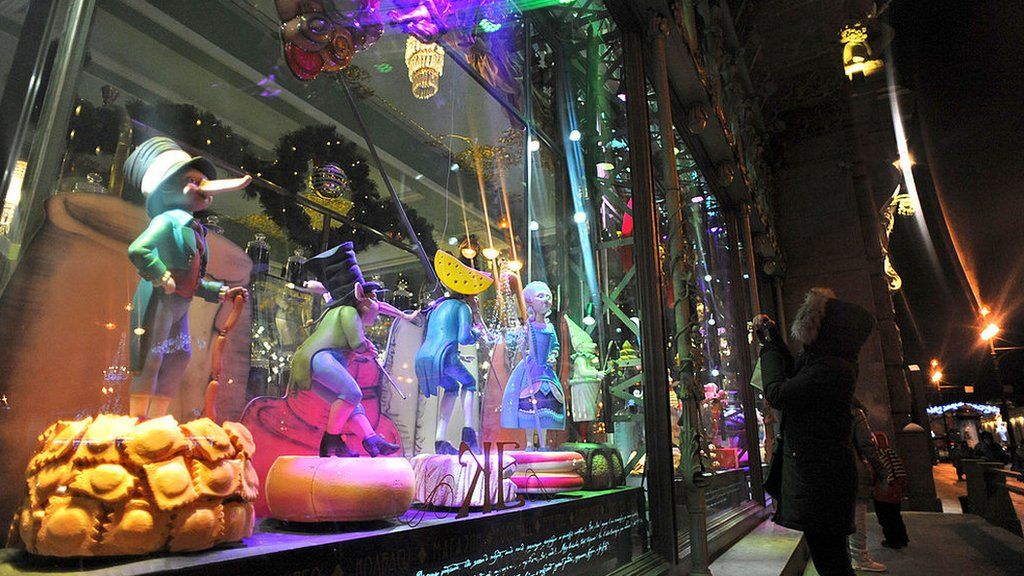
The store would also put together lavish window displays for Christmas and New Year - seen here in December 2012
After the Russian revolution in 1917, the emporium was nationalised.
Over the course of the 20th century, in the Soviet era, it then became known as the place to buy rare and otherwise unobtainable delicacies, including caviar.
Getty Images
And the store, pictured here in 1998, was often bustling and the shelves were full
Getty Images
The store was still thriving in the 1990s, pictured here. However in more recent times, the shelves were frequently bare
There is plenty that scientists don’t understand about the long-term effects of COVID-19 on society. But a year in, at least one thing seems clear: the pandemic has been terrible for our collective mental health — and a surprising number of tech platforms seem to have given the issue very little thought.
First, the numbers. Nature reported that the number of adults in the United Kingdom showing symptoms of depression had nearly doubled from March to June of last year, to 19 percent. In the United States, 11 percent of adults reported feeling depressed between January and June 2019; by December 2020, that number had nearly quadrupled, to 42 percent.
Prolonged isolation created by lockdowns has been linked to disruptions in sleep, increased drug and alcohol use, and weight gain, among other symptoms. Preliminary data about suicides in 2020 is mixed, but the number of drug overdoses soared, and experts believe many were likely intentional. Even before the pandemic, Glenn Kessler reports at TheWashington Post, “suicide rates had increased in the United States every year since 1999, for a gain of 35 percent over two decades.”
Issues related to suicide and self-harm touch nearly every digital platform in some way. The internet is increasingly where people search, discuss, and seek support for mental health issues. But according to new research from the Stanford Internet Observatory, in many cases, platforms have no policies related to discussion of self-harm or suicide at all.
In “Self-Harm Policies and Internet Platforms,” the authors surveyed 39 online platforms to understand their approach to these issues. They analyzed search engines, social networks, performance-oriented platforms like TikTok, gaming platforms, dating apps, and messaging apps. Some platforms have developed robust policies to cover the nuances of these issues. Many, though, have ignored them altogether.
“There is vast unevenness in the comprehensiveness of public-facing policies,” write Shelby Perkins, Elena Cryst, and Shelby Grossman. “For example, Facebook policies address not only suicide but also euthanasia, suicide notes, and livestreaming suicide attempts. In contrast, Instagram and Reddit have no policies related to suicide in their primary policy documents.”
Among the platforms surveyed, Facebook was found to have the most comprehensive policies. But researchers faulted the company for unclear policies at its Instagram subsidiary; technically, the parent company’s policies all apply to both platforms, but Instagram maintains a separate set of policies that do not explicitly mention posting about suicide, creating some confusion.
Still, Facebook is miles ahead of some of its peers. Reddit, Parler, and Gab were found to have no public policies related to posts about self-harm, eating disorders, or suicide. That doesn’t necessarily mean that the companies have no policies whatsoever. But if they aren’t posted publicly, we may never know for sure.
In contrast, researchers said that what they call “creator platforms” — YouTube, TikTok, and Twitch — have developed smart policies that go beyond simple promises to remove disturbing content. The platforms offer meaningful support in their policies both for people who are recovering from mental health issues and those who may be considering self-harm, the authors said.
“Both YouTube and TikTok are explicit in allowing creators to share their stories about self-harm to raise awareness and find community support,” they wrote. “We were impressed that YouTube’s community guidelines on suicide and self-injury provide resources, including hotlines and websites, for those having thoughts of suicide or self-harm, for 27 countries.”
Outside the biggest platforms, though, it’s all a toss-up. Researchers could not find public policies for suicide or self-harm for NextDoor or Clubhouse. Dating apps? Grindr and Tinder have policies about self-harm; Scruff and Hinge don’t. Messaging apps tend not to have any such public policies, either — iMessage, Signal, and WhatsApp don’t. (The fact that all of them use some form of encryption likely has a lot to do with that.)
Why does all of this matter? In an interview, the researchers told me there are at least three big reasons. One is essentially a question of justice: if people are going to be punished for the ways in which they discuss self-harm online, they ought to know that in advance. Two is that policies offer platforms a chance to intervene when their users are considering hurting themselves. (Many do offer users links to resources that can help them in a time of crisis.) And three is that we can’t develop more effective policies for addressing mental health issues online if we don’t know what the policies are.
And moderating these kinds of posts can be quite tricky, researchers said. There’s often a fine line between posts that are discussing self-harm and those that appear to be encouraging it.
“The same content that could show someone recovering from an eating disorder is something that can also be triggering for other people,” Grossman told me. “That same content could just affect users in two different ways.”
But you can’t moderate if you don’t even have a policy, and I was surprised, reading this research, at just how many companies don’t.
What strikes me about all of this is just how fresh it all feels. We’re more than a decade into the platform era, but there are still so many big questions to figure out. And even on the most serious of subjects — how to address content related to self-harm — some platforms haven’t even entered the discussion.
The Stanford researchers told me they believe they are the first people to even attempt to catalog self-harm policies among the major platforms and make them public. There are doubtless many other areas where a similar inventory would serve the public good. Private companies still hide too much, even and especially when they are directly implicated in questions of public interest.
In the future, I hope these companies collaborate more — learning from one another and adopting policies that make sense for their own platforms. And thanks to the Stanford researchers, at least on one subject, they can now find all of the existing policies in a single place.
This column was co-published with Platformer, a daily newsletter about Big Tech and democracy.
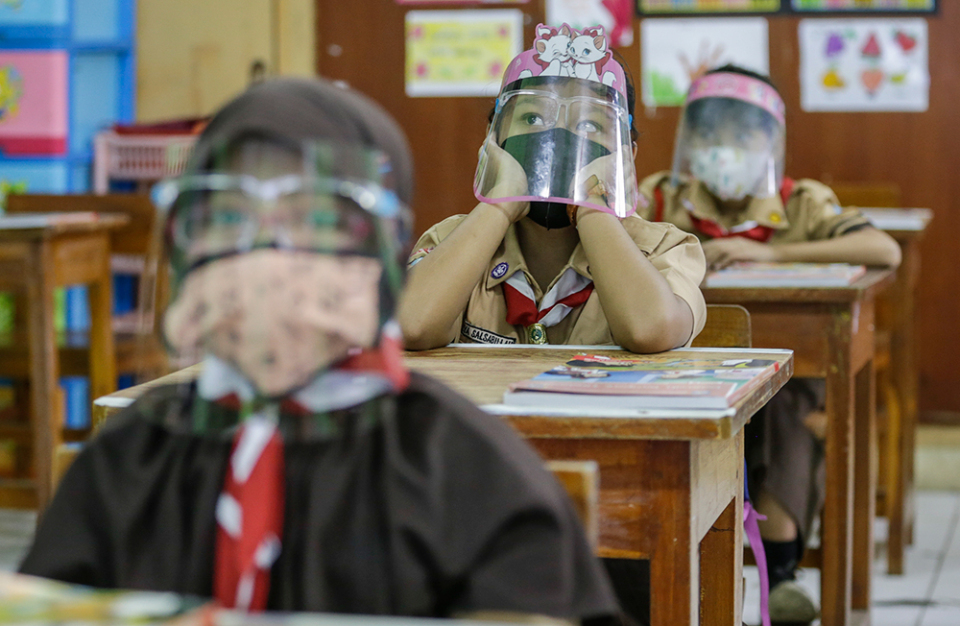
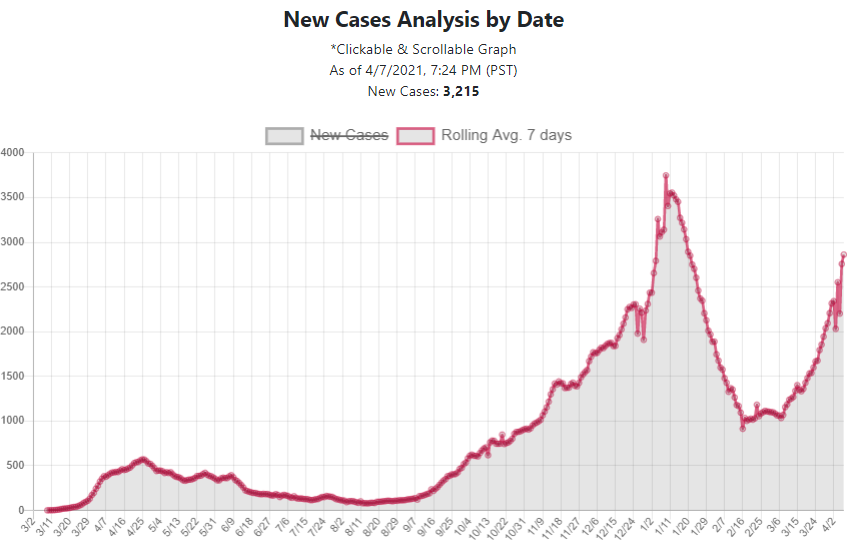
На 4 недели, на фоне 3–й волны. В это время мобильные команды вакцинаторов займутся теми, у кого работа связана с повышенным риском: учителями, рабочими, работниками магазинов. Из–за варианта В–117 (частично) количество новых случаев в марте утроилось, свободных койкомест почти не осталось. Губернатор Форд сегодня сказал, что все пошло хуже наихудшего сценария. Власти уверяют, что в школах безопасно, но в двух регионах с наибольшим населением, Торонто и Пил, все же хотят закрыть школы на 2 недели — на всякий случай.
А как у вас — на карантине, уже победили вирус или не слыхали ни о чем таком?
Активист решил постоять с плакатом BLM в самом "расистском" городе США — Гаррисоне, штат Арканзас. Дело в том, что число белых людей там превышает 95%.
Этому видео уже полгода. Но русский перевод появился только сейчас. Активист заснял реакцию нормальных людей на плакат с надписью Black Lives Matter. И ему это не понравилось...
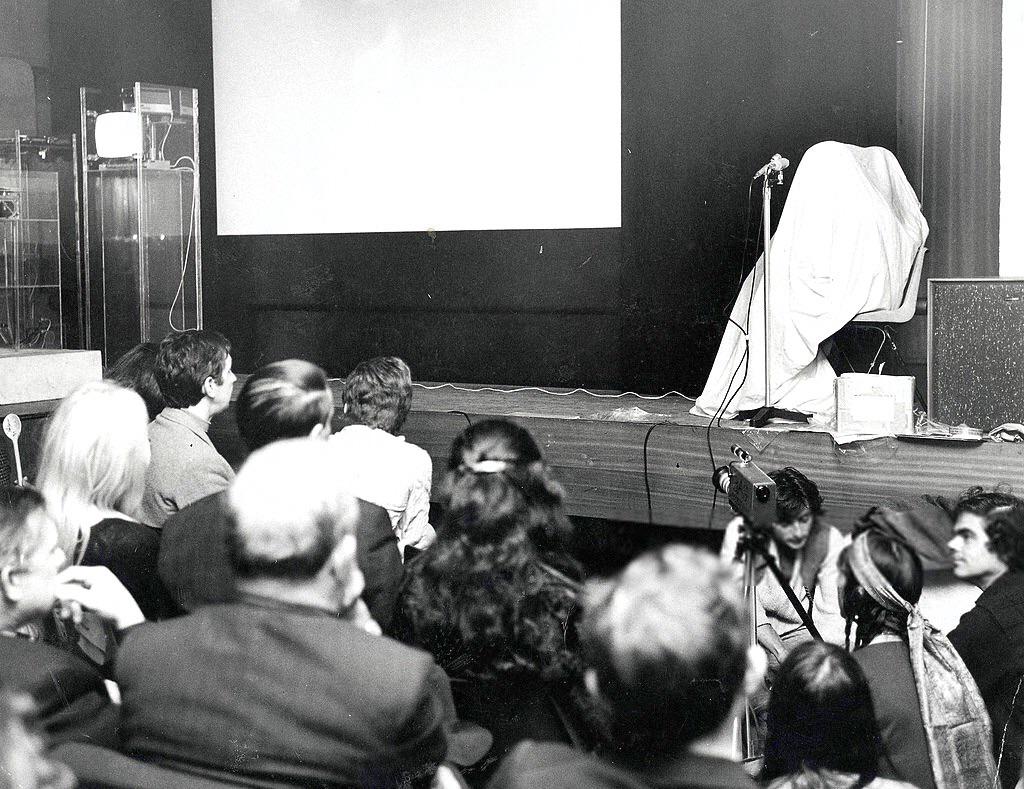
На самом деле нет. Они сидят в мешке и журналисты пытались их выманить оттуда шоколадным тортом. Но тщетно. Концепцию "Багизм" Леннон и Оно придумали как ответ на пренебрежительное отношение к их антивоенным идеям со стороны серьёзных массмедиа. Дескать, внешний вид патлатых хиппи затмевает и нивелирует их искренние и важные призывы к сохранению мира. Истеблишменту трудно воспринять слова людей, которые выглядят как бомжи. Таким образом, надо скрыть свою внешность, залезть в мешок и говорить оттуда. Тогда для слушателя будет неважно, кто там сидит, с какой длиной волос, с какими прыщами на лице, в какой одежде, с каким цветом кожи. Важны будут только слова.
Для презентации "Багизма" была собрана пресс–конференция в Венском отеле Sacher.
Вопрос: — Чем докажешь, что ты настоящий Джон Леннон? Ответ: — Неважно кто я. Я здесь для того, чтоб говорить о мире.
Со слов "Все говорят о Багизме, Шагизме, Драгизме, Мадизме, Рагизме, Тагизме, Это–изме, То–изме, изме, изме, изме" начинается песня Give Peace a Chance.
Испанские ученые пришли к выводу, что популярная музыка деградирует. За последние полвека она стала проще, унылее и громче.
Анализ испанских исследователей был основан базе данных Million Song Dataset. В ней можно найти информацию о характеристиках примерно миллиона песен 45 тыс. исполнителей — название, продолжительность, темп, ритм и многое другое. Ученых особенно заинтересовали три из них: тембр, тональность и громкость музыки.
Оказалось, что после своего пика в 1960-х годах тембровое разнообразие неуклонно снижается. Это связывают с уменьшением количества используемых инструментов и методов записи музыки.
Схожая проблема преследует и тональность — ноты и аккорды, которые были популярны раньше, используются и сейчас. Более того, современные музыканты даже не пытаются обыгрывать их по-новому, используя все те же переходы и соединения, что и в прошлом.
Как следствие, меняется и громкость музыки. Этот термин не нужно путать с уровнем громкости, который может регулировать слушатель. Если упрощать, то чем выше громкость записанного трека, тем меньше в нем выделяющихся, запоминающихся моментов, так как все сливается в «единый шум».
Эксперты уже давно критикуют «войны громкости», ведь именно они стали одним из главных элементов привлечения внимания слушателей. Ученые подсчитали, что каждые 8 лет этот показатель повышается на один децибел.
Хорошая объяснялка, как громкость обедняет звучание музыки. Прослушайте фрагменты на 1:32, а потом 0:32.
Все это и стало базой для доказательства любимой фразы человека, который приближается к 30 годам — «раньше было лучше». Поп-музыка раньше была разнообразнее, а потому качественнее. Еще одно исследование показало, что тексты современных песен стали более унылыми и эгоцентричными.
"Covid-19 Student Ambassadors" getting the jab in Detroit on Tuesday
The White House has ruled out introducing mandatory federal Covid-19 vaccination passports, saying citizens' privacy and rights should be protected.
Schemes to introduce such passports have been touted around the world as a way to enable safe circulation of people while fighting the pandemic.
But critics say such documents could be discriminatory.
The US said it did not and would not support a "system that requires Americans to carry a credential".
The country has reported more than 550,000 deaths linked to the virus and nearly 31 million cases, the highest numbers in the world, according to Johns Hopkins University.
Addressing reporters, White House press secretary Jen Psaki said there would be no "federal vaccinations database" or a "federal mandate requiring everyone to obtain a single vaccination credential".
"The government is not now, nor will be, supporting a system that requires Americans to carry a credential," she said. "Our interest is very simple from the federal government, which is Americans' privacy and rights should be protected, and so that these systems are not used against people unfairly."
Can you become immune to coronavirus?
Countries around the world are looking at the introduction of so-called vaccine passports, which would be used to show that a person has been inoculated against Covid-19, as a way of safely reopening mass gatherings and travel.
In England, a "Covid status certification" scheme is being developed to enable concerts and sports matches to take place. It would record whether people had been vaccinated, recently tested negative, or had already had and recovered from Covid-19.
The European Union is also working on plans to introduce certificates, while in Israel a "Green Pass" is already available to anyone who has been fully vaccinated or has recovered from Covid-19, which they have to show to access facilities such as hotels, gyms or theatres.
The World Health Organization on Tuesday said it did not currently support requiring vaccination passports for travel, because of uncertainty over whether inoculation prevents transmission, and discrimination concerns.
Meanwhile, US President Joe Biden announced on Tuesday that he had brought forward to 19 April the date by which all American adults will be eligible for a Covid vaccine.
"We have to ramp up a whole-of-government approach that rallies the whole country and puts us on a war footing to truly beat this virus," he said.
РИМ, 6 апреля. /ТАСС/. Глава департамента Европейского агентства лекарственных средств (EMA) по угрозам здоровью и стратегии вакцинации Марко Кавалери подтвердил, что существует связь между вакциной от коронавируса британско-шведской компании AstraZeneca и образованием тромбов.
"На мой взгляд, сейчас мы можем сказать, что очевидно существует связь с этой вакциной. Мы пока не знаем, что именно вызывает такую реакцию. В ближайшие часы мы официально объявим о существовании такой связи, но нам еще предстоит понять, как это происходит", - заявил он во вторник в интервью итальянской газете Il Messaggero.
Ранее ЕМА после проведения расследования на фоне сообщений о появлении тромбов у привившихся препаратом AstraZeneca сообщила, что вакцина безопасна и эффективна, а преимущества от ее использования перевешивают риски. Сама AstraZeneca обновила информацию, указанную в инструкции по применению вакцины от коронавируса, указав на потенциальные осложнения.
До этого в качестве меры предосторожности целый ряд стран приостановил использование вакцины AstraZeneca в связи с сообщениями об образовании тромбов в крупных сосудах при нарушении свертываемости крови у привившихся, однако после рекомендации EMA применение препарата было возобновлено.
Всемирная организация здравоохранения ранее также призвала продолжать применение данной вакцины, отметив, что преимущества от ее использования перевешивают риски и на данный момент не обнаружено прямой связи между прививкой и образованием тромбов.
То, что мы называем «город Киев», в исландском языке именуется красивым словом Kænugarður.
Всё дело в том, что современный исландский язык происходит от древнескандинавского, попавшего на этот остров ещё в IX веке — как раз в то время, когда любопытные викинги ожесточённо осваивали всё, до чего дотягивались вёсла их драккаров — от Лондона до Киева.
Викинги, побывавшие в Киеве и прозвавшие его Kænugarður’ом, успели рассказать об этом домашним, те внесли это в свои красивые скандинавские хроники и передали информацию в Исландию еще тогда, когда современный Майдан считался окраиной, КМДА заседала на Старокиевской горе, а забор вокруг фундамента будущей Софии Киевской еженедельно сметался активистами партии «Демократичний Ярило».
1000 лет спустя в современных датском, шведском, норвежском и даже, почему–то, фарерском языках город превратится в Kiev, а в исландском так и останется красивым Kænugarður’ом.
Kæna — это «лодка» или «корабль», garður — «парк» или «сад». Вместе они дают «верфь»
(Íslenskt nafn á Kænugarði kemur frá Kæna fyrir skip og garður fyrir bæ (garður á nútíma íslensku), sem sagt skipabær)
Электромобили выводят автопутешествия на принципиально новый уровень: если на обычной машине вы путешествуете от достопримечательности к достопримечательности, то на электромобиле вы путешествуете от зарядки к зарядке.
* * *
Это не джинсы skinny, это я kabanny.
* * *
Когда два года назад поклонники клоуна кричали «порохоботы переобуются, вот увидите!», они имели в виду Арестовича.
* * *
— Доктор, что со мной?
— Прокрастинация.
— О боже, я буду жить?
— Да, но потом.
* * *
С маской нужно осторожней. Один мужчина надел масу на лицо и отравился перегаром.
* * *
Не сочтите меня параноиком, но мне кажется, что кто-то постоянно читает то, что я здесь пишу…
— Кедр, это Первый, как слышите? — Первый, это Кедр. Слышу вас хорошо. — Кедр, как самочувствие? — Первый, самочувствие отличное! Продолжаю выполнять задание Родины. — Кедр, вы можете посмотреть в иллюминатор? Что вы видите? Бога видите? — Первый, Бога не вижу, Бога нет. — Кедр, Землю видите? — Первый, вижу Землю, колыбель человечества. — Кедр, опишите — какая она? — Первый, докладываю: Земля плоская. Сейчас заходим с обратной стороны. Вижу... один два три... Вижу три слона и огромную черепаху!



 Getty Images
 Getty Images
 AFP
 Getty Images
 Getty Images
 Взято
 Взято

 Взято

 Взято
 Взято



 Взято
 Взято